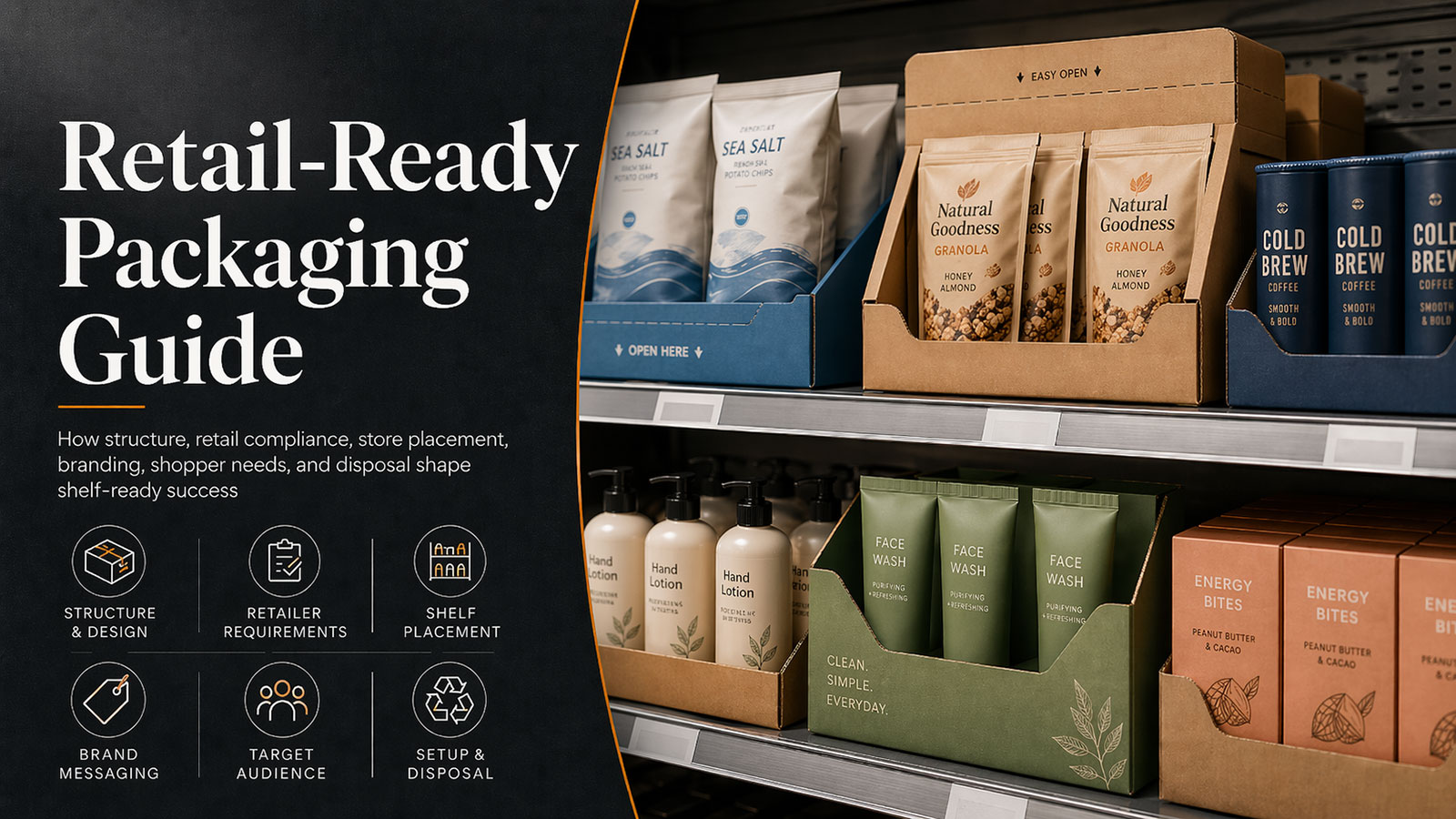

Large global brands appear untouchable on retail shelves. They command premium placement, multi-million-dollar trade marketing budgets, and decades of shopper familiarity. Yet, in conversations with brand managers and retail buyers across North America and Europe, a consistent pattern emerges: the brands that consistently outperform expectations at point of sale are rarely the biggest. They're the most intentional.
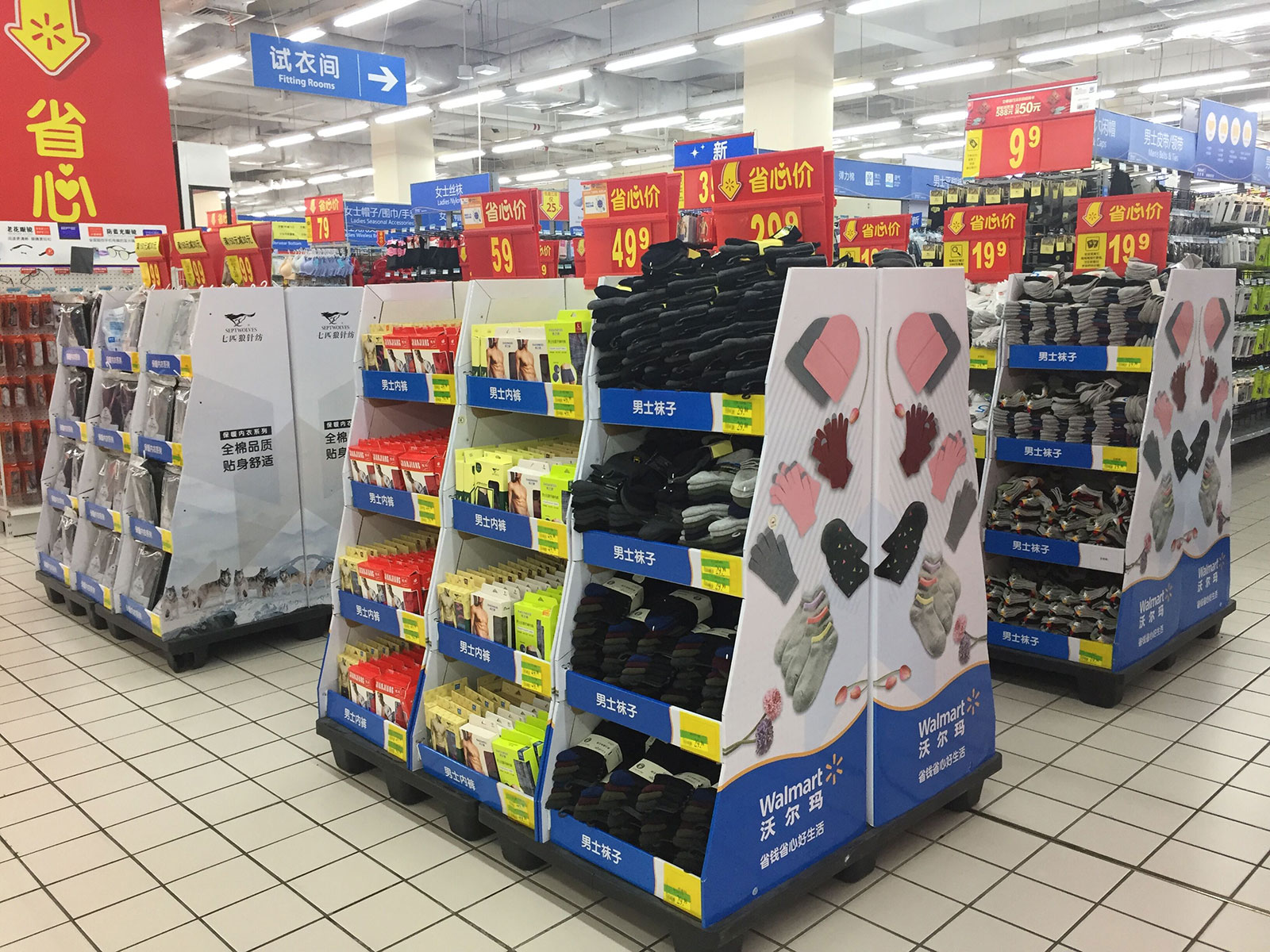
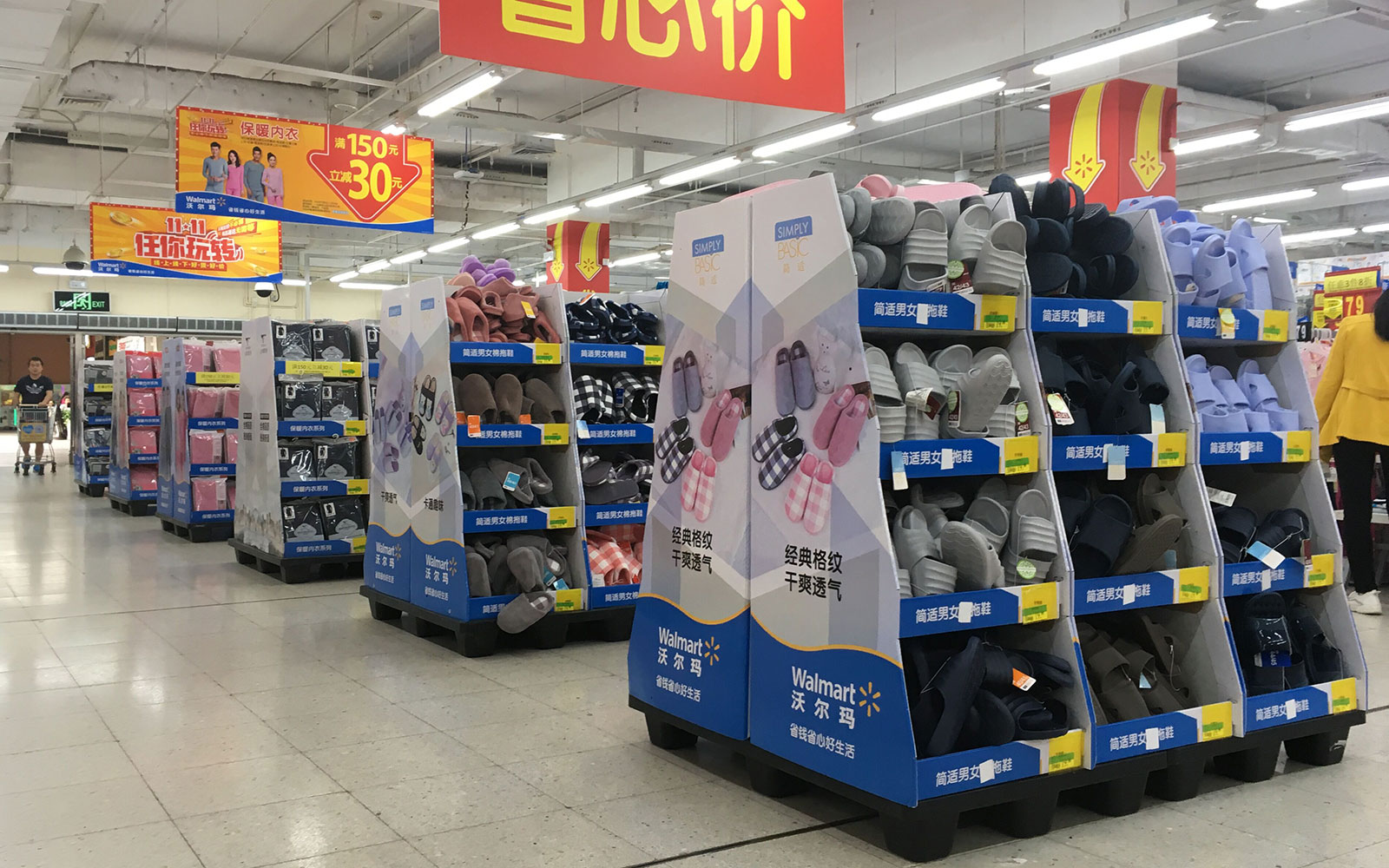
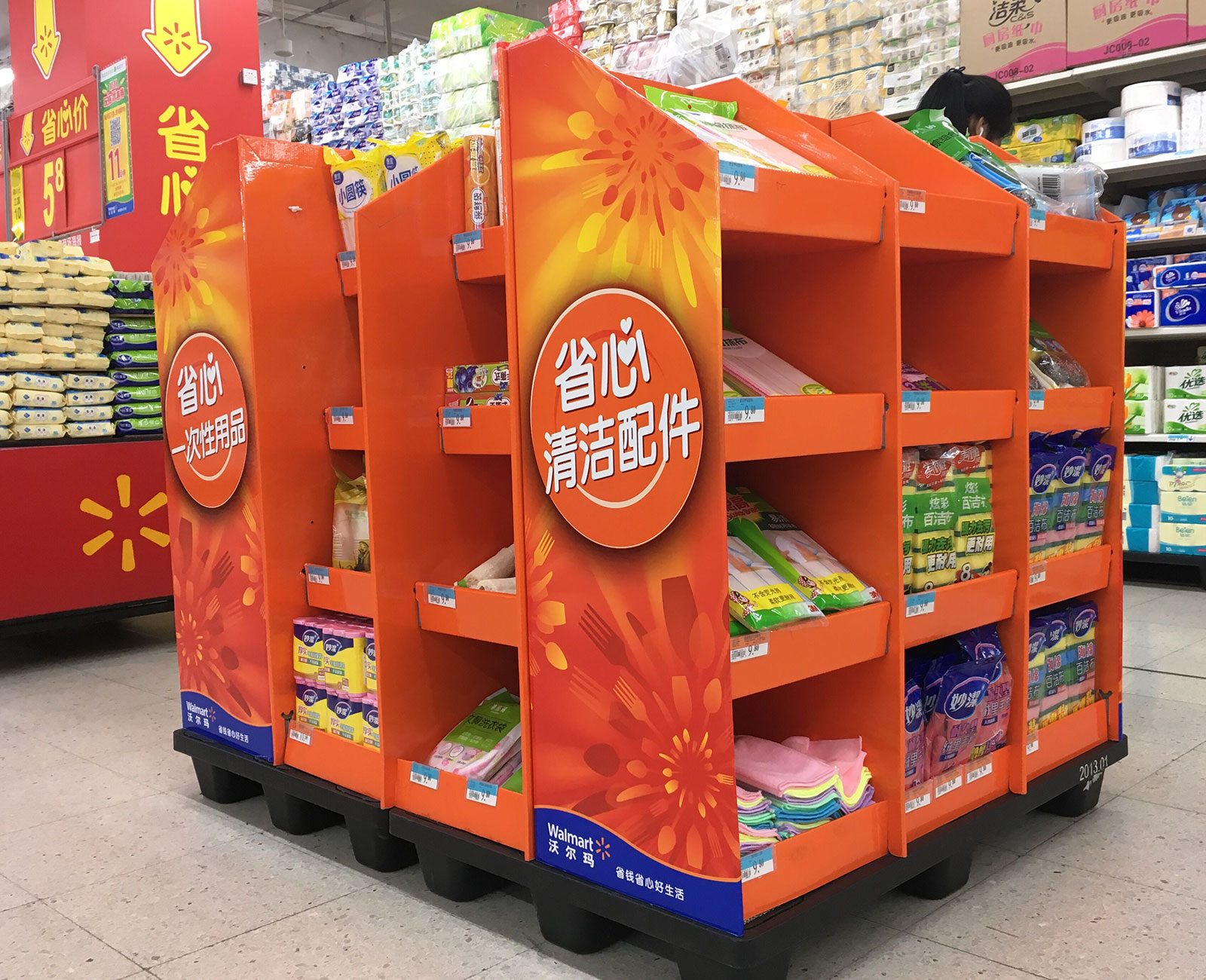
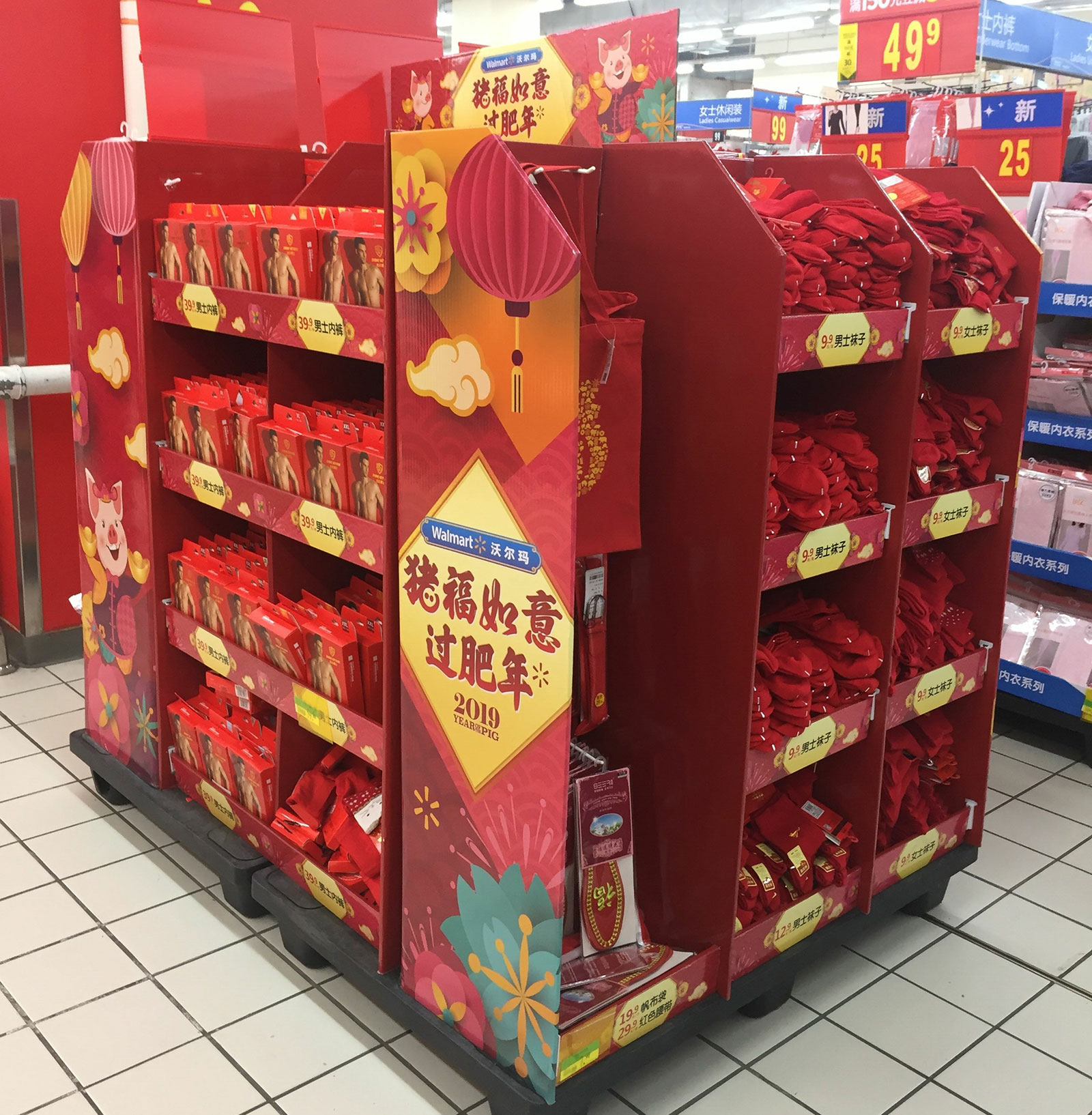
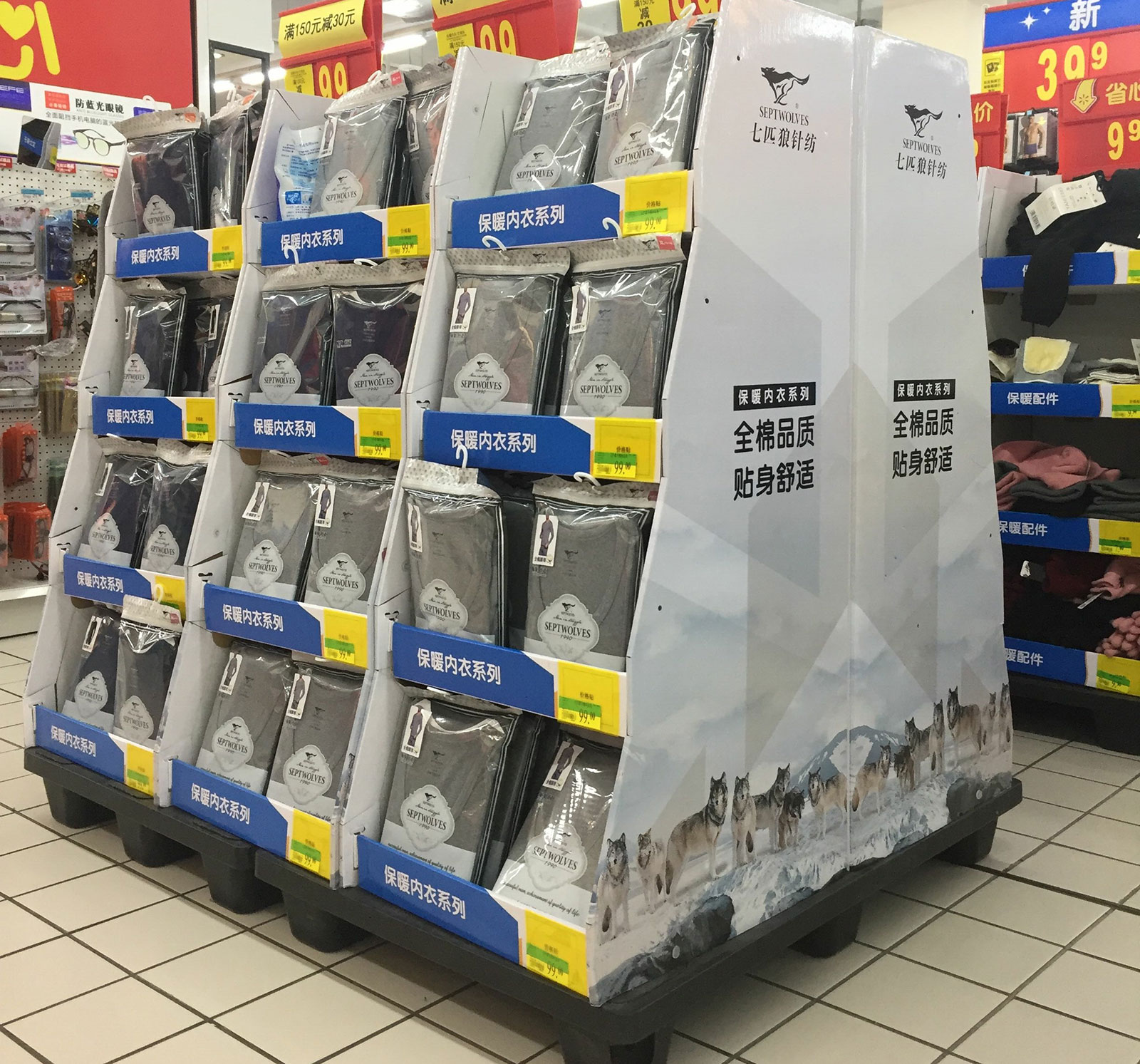
Custom cardboard displays — specifically corrugated point-of-purchase (POP) and point-of-sale (POS) fixtures — have become one of the most effective and cost-efficient tools for small and mid-size brands to gain measurable shelf presence, drive impulse purchases, and build lasting brand equity in retail environments. This guide draws on real-world display manufacturing experience and retail merchandising strategy to show exactly how your brand can leverage custom corrugated displays to outmaneuver larger competitors.
- Why Large Brands Are Easier to Beat Than You Think
- 7 Proven Strategies to Outperform Big Brands with Custom Displays
- 1. Own Your Niche with Hyper-Targeted Messaging
- 2. Turn Your Display Into a 24/7 Brand Ambassador
- 3. Leverage Temporary and Seasonal Displays as a Competitive Weapon
- 4. Design for Shopper Interaction, Not Just Visibility
- 5. Use Placement Strategy to Manufacture Impulse Purchases
- 6. Educate Shoppers to Eliminate Purchase Hesitation
- 7. Match the Visual Quality Standards of Market Leaders
- Quick Action Plan: From Brief to Shelf in 4 Steps
- Why Corrugated Cardboard Remains the Optimal Material for Small Brand Displays
- Building a Long-Term Display Strategy, Not Just a One-Time Execution
Why Large Brands Are Easier to Beat Than You Think
Understanding your competition starts by looking honestly at where they are structurally weak.
Global brands operate through layers of internal approvals, regional marketing budgets, agency timelines, and compliance reviews. A seasonal display concept that a small brand can design, print, and deploy in 3–4 weeks may take a Fortune 500 company 4–6 months to clear internal channels. That gap is your strategic window.
Beyond speed, large brands face a storytelling problem. Mass-market appeal requires broad, generic messaging that resonates with the widest possible audience — which means it resonates deeply with almost no one. Research from the Path to Purchase Institute consistently shows that shoppers engage more with brands that feel personal, values-driven, and authentic. Generic shelf presence cannot manufacture that connection.
Your structural advantages as a smaller brand include:
-
Decision speed: Design, approve, and deploy in weeks, not quarters
-
Brand authenticity: Real origin stories, genuine values, and specific product missions resonate more deeply with target buyers
-
Niche precision: You can speak directly to one customer type with surgical accuracy
-
Supplier relationships: Working directly with a corrugated display manufacturer — rather than through intermediary agencies — gives you faster iteration, lower costs, and greater design control
7 Proven Strategies to Outperform Big Brands with Custom Displays
1. Own Your Niche with Hyper-Targeted Messaging
The biggest mistake small brands make when designing retail displays is trying to appeal broadly. Big brands own the broad space. You win in the specific space.
Effective niche positioning on a display means:
-
Using precise product descriptors your target shopper actively searches for: "cold-pressed, single-origin," "pediatrician-approved," "designed for sensitive skin," or "USDA-certified organic"
-
Matching visual language to your audience's identity — clean minimalism for wellness buyers, bold saturated graphics for performance sports, muted earth tones for eco-conscious consumers
-
Eliminating any messaging that doesn't speak directly to your one core customer
A well-positioned niche display functions as a self-selecting filter: it attracts exactly the shopper most likely to convert, reducing decision friction and boosting conversion rates at the fixture.
2. Turn Your Display Into a 24/7 Brand Ambassador
Every corrugated display your brand places in a retail environment is a silent salesperson operating without labor cost. Treat it with that level of strategic intention.
Your display should communicate the following within 3 seconds of a shopper's glance:
-
Who you are: Brand name, logo, and a single defining value proposition
-
Why you're different: One credibility marker — family-owned since 1998, sustainably sourced from certified forests, manufactured in ISO-certified facilities
-
What the shopper gains: A clear, benefit-led statement that answers "what's in it for me?"
Large corporations struggle to communicate authentic origin stories credibly. A family-owned snack brand, a small-batch skincare line, or a direct-from-farm beverage company carries inherent trust that no amount of advertising spend can replicate. Your display is where that story lives in-store.
3. Leverage Temporary and Seasonal Displays as a Competitive Weapon
Speed-to-shelf is one of the most underutilized competitive advantages available to small brands. Corrugated displays have some of the shortest production lead times of any retail fixture format — typically 15–30 days from confirmed artwork to delivery, depending on quantity and complexity.
Practical applications include:
-
Trend activation: When a product category or ingredient goes viral (think: collagen, adaptogens, oat-based alternatives), a small brand can have a branded floor display in stores within weeks
-
Seasonal programming: Seasonal displays for holidays, back-to-school, summer grilling, or harvest season can be designed, produced, and rotated affordably without major capital commitment
-
Market testing: Deploying a countertop or quarter-pallet display in a regional test market before national rollout allows brands to validate demand with minimal financial exposure
For B2B buyers sourcing displays for multiple brand clients, temporary corrugated fixtures offer an attractive combination of low tooling cost, fast turnaround, and high customization flexibility.
4. Design for Shopper Interaction, Not Just Visibility
A display that gets noticed but not touched has failed at its core function. The most effective corrugated display designs incorporate physical interaction as a deliberate design element.
Structural design features that increase shopper engagement:
-
Open-front bins and angled shelves: Encourage tactile product handling, which research consistently correlates with higher purchase rates
-
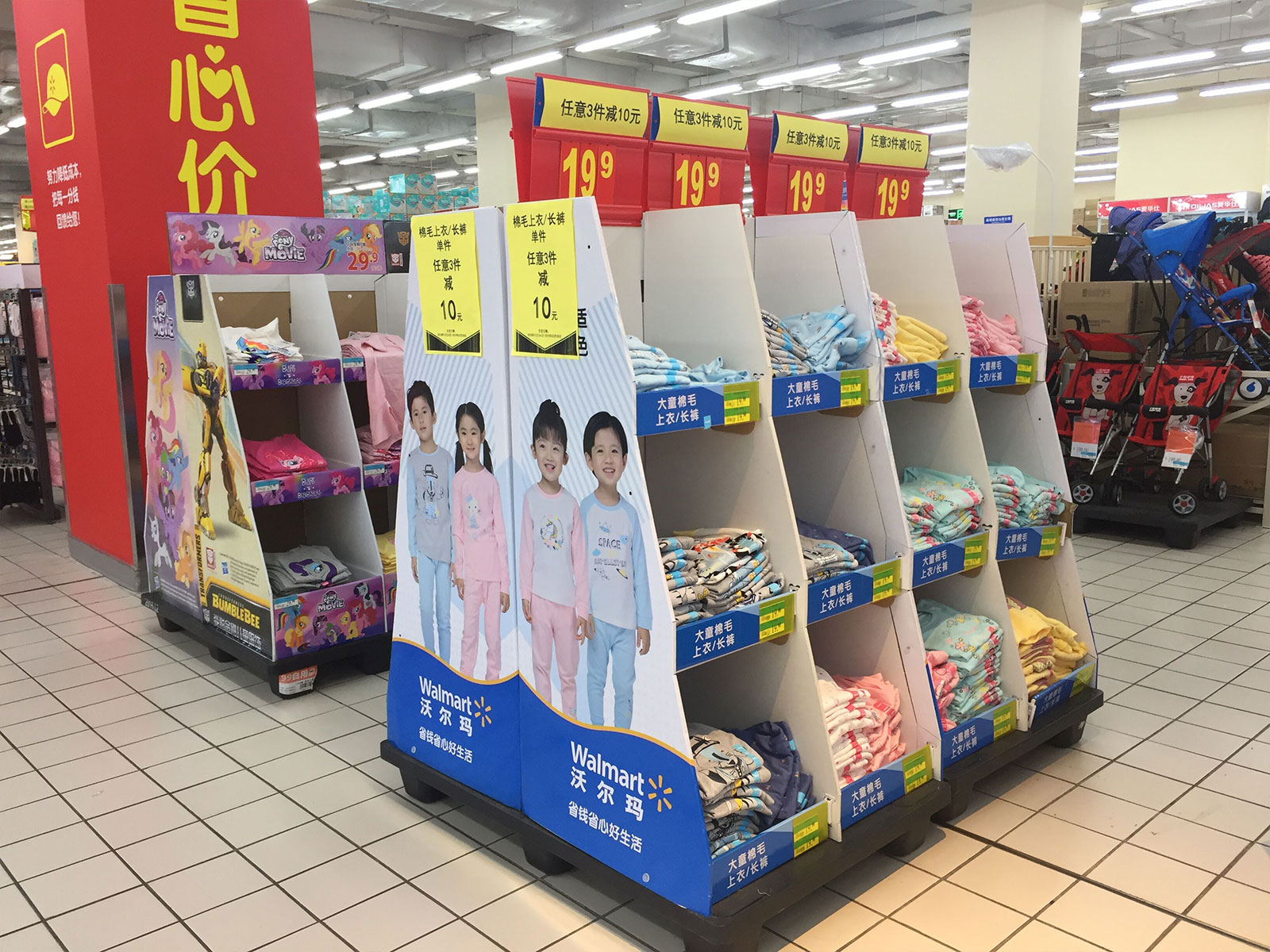
Die-cut headers and shaped side panels: Break the visual monotony of flat aisle runs and create a distinct silhouette that draws the eye from 10+ feet away
-
3D structural elements: Tiered platforms, curved side wings, and folded shelf dividers create a premium visual architecture that elevates perceived product value
-
Finish and print quality: Soft-touch matte lamination, high-gloss UV spot coating, and textured varnish finishes communicate premium quality immediately — before a shopper reads a single word
The investment in structural and print quality typically represents a small per-unit cost increase but creates a disproportionate lift in brand perception and shopper engagement.
5. Use Placement Strategy to Manufacture Impulse Purchases
Where your display lives in the store is as important as how it looks. The most visually compelling display in a low-traffic aisle will consistently underperform a simpler display in a high-conversion zone.
High-impact placement zones include:
-
Checkout lanes and queue areas: The highest-impulse purchase zone in any retail format; ideal for single-serve, small-format, or trial-size products
-
Category adjacency placements: Positioning complementary products at the entry point of a related category — craft sauces near fresh pasta, energy bars near fitness equipment, dog treats near pet accessories — captures high-intent shoppers at the moment of category engagement
-
End caps and aisle entrances: Premium visibility with significantly higher foot traffic than mid-aisle placement
Compact sidekick displays and countertop units are particularly effective because limited facing quantity creates a subtle scarcity signal that encourages immediate purchase decisions rather than deferred consideration.
6. Educate Shoppers to Eliminate Purchase Hesitation
One of the most consistent conversion barriers in retail is shopper uncertainty. When a customer doesn't fully understand what a product does, how it differs from alternatives, or whether it suits their specific need, the default decision is to skip it.
Custom displays allow brands to preemptively address these objections with:
-
Benefit-led header panels: Concise, specific claims ("Works in 30 seconds," "No artificial sweeteners," "Compatible with all standard fixtures") that answer the most common pre-purchase questions
-
Comparison graphics: Simple, honest visual comparisons showing your product's advantage versus category norms — ingredient count, certification level, price-per-use, or environmental impact
-
Usage visuals and step-by-step instructions: Particularly valuable for new product categories or technical products where first-time buyers need confidence before committing
Brands that invest in educational display content consistently report lower return rates, higher repeat purchase rates, and stronger first-purchase conversion — because informed shoppers buy with confidence.
7. Match the Visual Quality Standards of Market Leaders
Shopper perception research is consistent: professional, well-maintained, high-quality displays signal brand credibility and product quality before a purchase is made. A poorly printed, structurally weak, or visually cluttered display actively undermines brand trust — regardless of the product's actual quality.
Meeting professional display standards means:
-
Specifying the correct corrugated board grade: E-flute for countertop units, B-flute or double-wall BC-flute for floor-standing and pallet displays requiring structural load capacity
-
Working with a manufacturer that uses calibrated printing: Consistent Pantone color matching and high-resolution digital or offset print quality maintains brand integrity across large production runs
-
Designing for retail durability: Displays in grocery, drug, or specialty retail environments need to withstand 4–8 weeks of shopper handling, restocking, and ambient temperature variation
Sourcing your displays directly from an ISO-certified corrugated manufacturer — rather than through a print broker or generic packaging supplier — gives brand managers and procurement teams direct quality control, faster communication on design iterations, and significantly better cost efficiency at volume.
Quick Action Plan: From Brief to Shelf in 4 Steps
-
Define your one core differentiator — the single claim no competitor can credibly make
-
Audit your category in-store — photograph competitor displays, identify structural weaknesses, and document the whitespace in shopper attention
-
Select the right display format — countertop CDUs for trial products, sidekick fixtures for checkout placement, quarter-pallet or half-pallet PDQs for feature floor locations
-
Partner with a direct manufacturer — work with a factory-direct corrugated display producer to maintain design control, minimize lead time, and optimize cost at your required quantity
Why Corrugated Cardboard Remains the Optimal Material for Small Brand Displays
For brands evaluating display material options — including injection-molded plastic, wire metal fixtures, or acrylic units — corrugated cardboard consistently delivers the strongest combination of performance, cost, and flexibility for brands operating at small-to-mid production volumes.
Key advantages that matter most to B2B buyers and brand procurement teams:
-
Unit economics: Corrugated display programs typically cost 60–80% less than equivalent plastic or metal fixtures at the same quantity tier
-
Lead time: 15–30 day production windows versus 8–16 weeks for tooled plastic or fabricated metal
-
Customization range: Full-bleed, high-resolution printing on all surfaces with no tooling costs for structural variation
-
Sustainability credentials: 100% recyclable, made from predominantly recycled fiber content, and compliant with retailer sustainability mandates increasingly common in European and North American grocery chains
-
Logistics efficiency: Flat-pack shipping reduces freight cost and warehouse storage space — a meaningful factor for brands managing multi-location retail programs
Building a Long-Term Display Strategy, Not Just a One-Time Execution
The brands that build sustained retail success with custom displays treat display strategy as an ongoing program, not a single campaign. This means:
-
Establishing a consistent visual system across display formats so that shopper recognition compounds over time
-
Building seasonal and promotional display calendars 6–12 months ahead of deployment to allow sufficient design and production lead time
-
Using each display deployment as a data-collection opportunity — tracking sell-through velocity, placement compliance, and shopper feedback to optimize the next iteration
-
Developing a supplier relationship with your corrugated manufacturer that allows for rapid-response reorders, structural modifications, and print updates without restarting the sourcing process
Small brands that approach their display program with this level of strategic discipline consistently close the visibility gap with larger competitors — not because they outspend them, but because they outthink them.