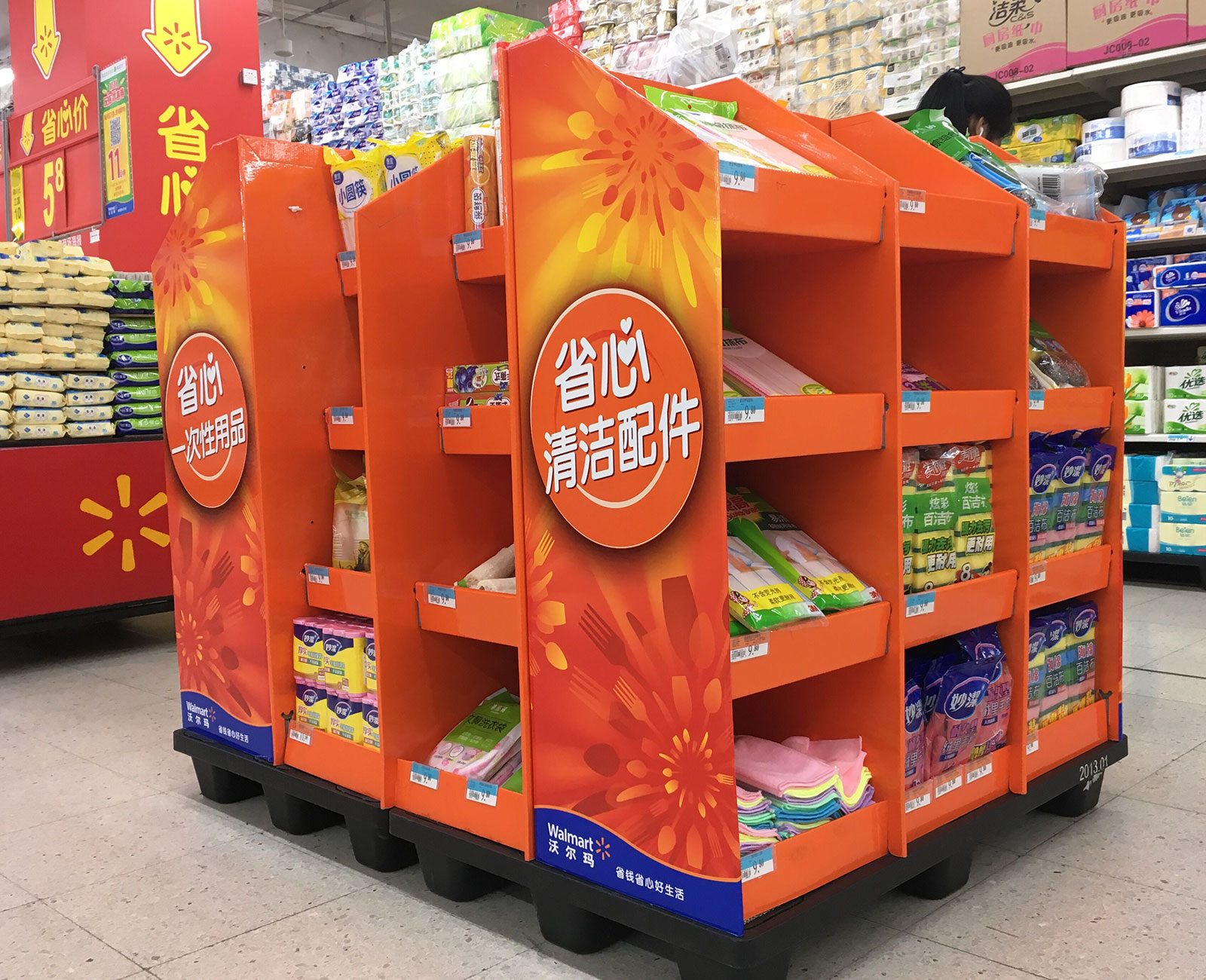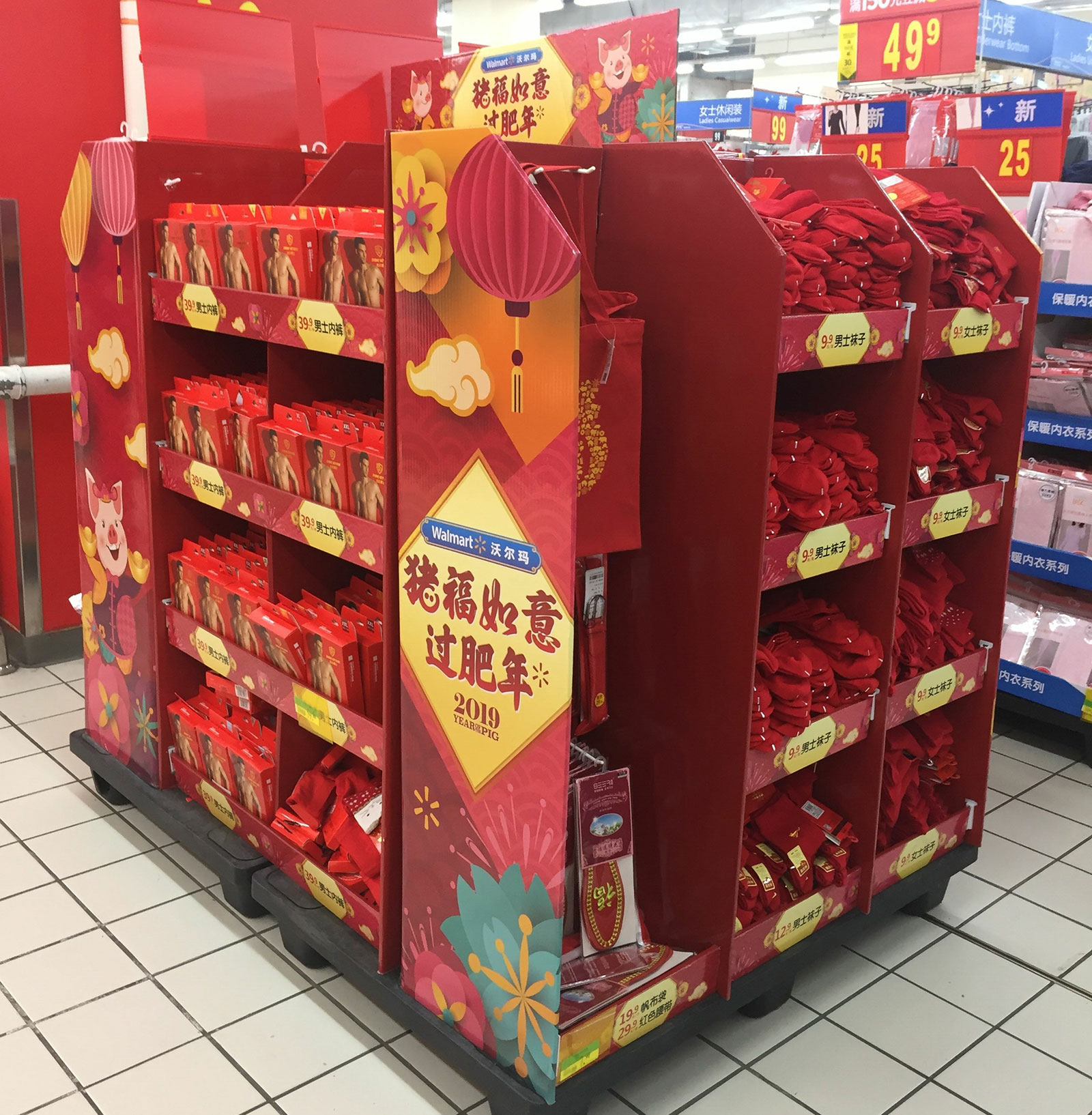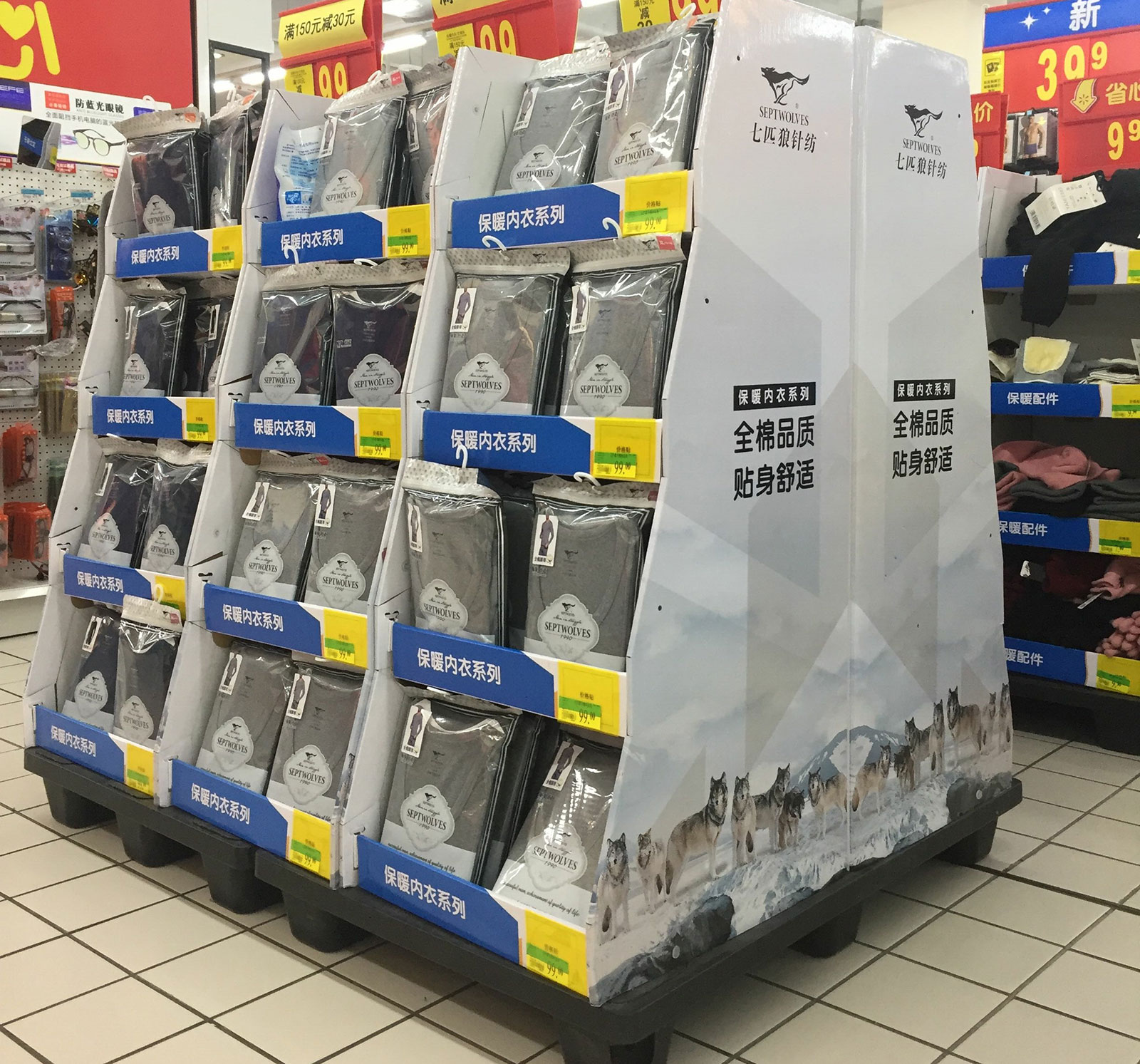

Corrugated display stands are among the most powerful and cost-efficient tools in modern retail merchandising. From supermarket aisles to trade show floors, these lightweight yet structurally robust units help brands capture shopper attention, accelerate product sell-through, and reduce secondary packaging waste — all at the same time. For manufacturers and brand owners alike, a thorough understanding of display classification, board construction, and material specifications is the foundation of delivering a product that performs both structurally and commercially.
- What Is a Corrugated Display Stand?
- Classification by Structure
- Classification by Corrugated Board Construction
- Material Requirements: Liner and Medium Grades
- Structural Performance Standards
- Printing and Finishing Technologies
- Engineering for Load and Safety
- Sustainability: The Strategic Advantage of Corrugated
- Choosing the Right Specification
What Is a Corrugated Display Stand?
A corrugated display stand — commonly referred to as a POP display (Point of Purchase), PDQ display (Pretty Damn Quick), or FSDU (Free Standing Display Unit) — is a retail fixture constructed entirely from corrugated paperboard. Unlike wood, metal, or plastic alternatives, corrugated displays are engineered to be lightweight, fully printable, and recyclable, making them the preferred choice for fast-moving consumer goods (FMCG) brands across the globe.
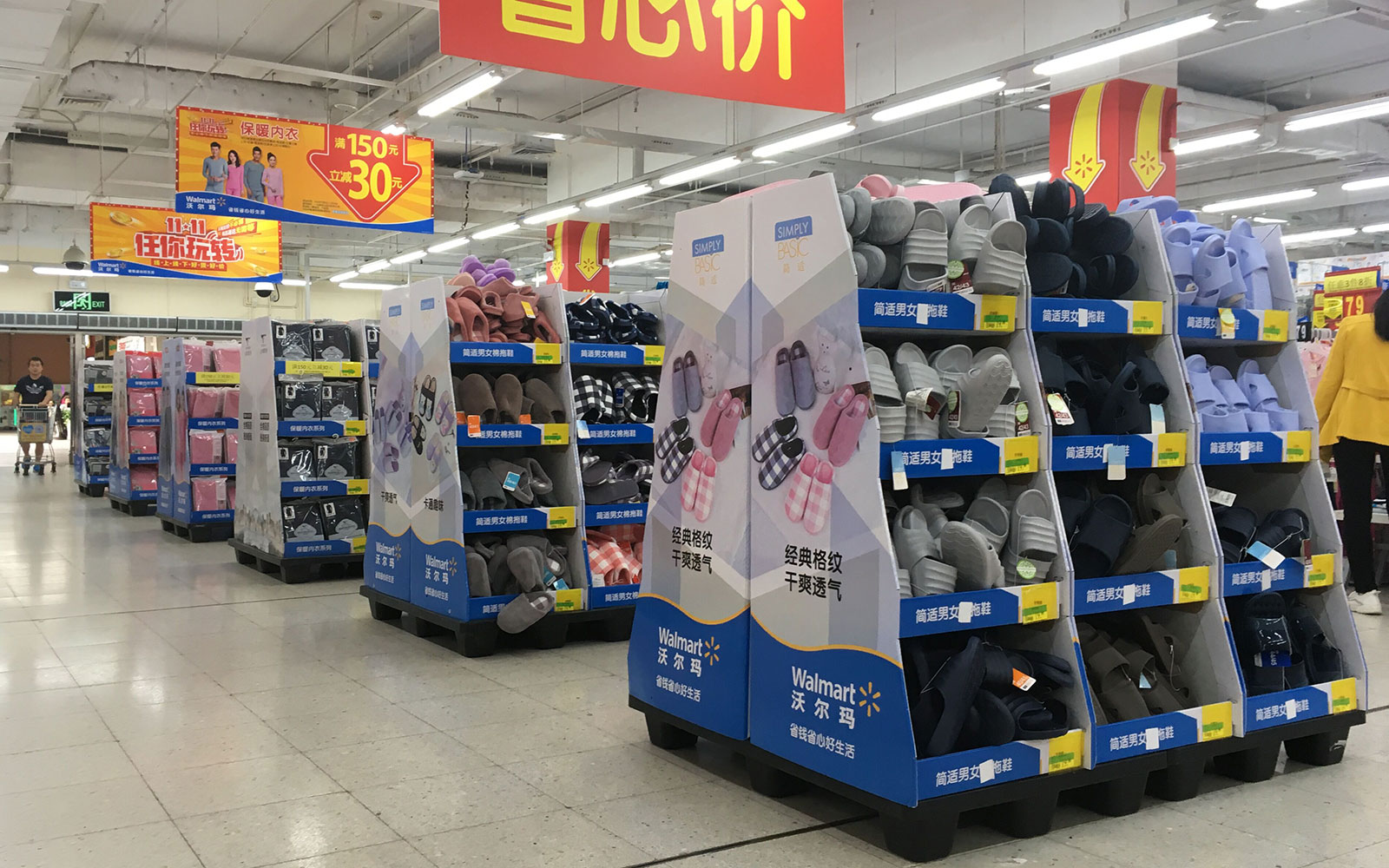
These displays serve a dual purpose: they function as both the shipping container and the retail shelf unit, arriving at the store pre-loaded with product and ready to deploy within minutes. This "display-shipper" model eliminates the labor cost of shelf stocking and reduces the retailer's operational burden significantly.
Classification by Structure
Corrugated display stands are broadly categorized into four structural types, each suited to a distinct retail environment and product profile:
1. Floor Display Stand
The most common and versatile format, floor displays are freestanding units placed in high-traffic retail zones — end caps, aisle centers, or promotional hot spots. They can be engineered as single-tier dump bins, multi-tier shelving towers, or combination units with header cards for branding. A well-engineered floor display can hold anywhere from 5 kg to over 50 kg of product, depending on the board specification and structural design.
Floor displays are ideal for:
-
Beverages, snacks, and packaged food
-
Personal care and cosmetics
-
Electronics accessories and small appliances
-
Seasonal promotional merchandise
2. Counter Display Stand
Compact and lightweight, counter displays sit on checkout counters, service desks, or retail shelving surfaces. Their small footprint makes them perfect for impulse-buy products — confectionery, batteries, mobile accessories, or travel-size personal care items. Despite their smaller size, counter displays often carry the heaviest branding investment per square inch, as they sit directly at eye level at the point of payment.
3. Side-kick / Wing Display
A side-kick display attaches to the side panel of an existing gondola or shelving fixture using hooks, adhesive strips, or mechanical fasteners. This format allows brands to claim secondary in-store placement without requiring additional floor space — a significant advantage in densely stocked retailers. Side-kicks are commonly used in pharmacy chains, hardware stores, and grocery outlets for cross-merchandising complementary products.
4. Pallet Display
Built directly onto a standard shipping pallet (typically 40" × 48" in North America, or 1000mm × 1200mm internationally), pallet displays are designed for high-volume bulk-buy environments such as Costco, Sam's Club, Metro, and warehouse club formats. The entire pallet — product, corrugated structure, and branded graphics — is shrink-wrapped and shipped as a single unit, dropped onto the retail floor with a forklift, and opened for immediate sale.
| Display Type | Typical Setting | Load Capacity | Key Advantage |
|---|---|---|---|
| Floor Display | Supermarket, specialty retail | 10–50 kg | Versatile, high branding impact |
| Counter Display | Checkout counter, desk | 1–5 kg | Impulse buy, eye-level placement |
| Side-kick | Gondola side panel | 2–10 kg | Secondary placement, space-saving |
| Pallet Display | Warehouse club, big-box | 100–500 kg | High volume, fast deployment |
Classification by Corrugated Board Construction
The structural backbone of any corrugated display is its board construction. Each board type is defined by the number of liners and fluting layers, which determine its rigidity, crush resistance, and thickness.
Flute Profiles
Corrugated board uses different flute sizes, each identified by a letter code. The flute profile affects both the cushioning performance and the printability of the outer surface:
-
A Flute — The largest flute profile (~5mm), offering excellent cushioning and stacking strength; rarely used for displays due to its bulk
-
B Flute — Medium flute (~3mm), popular for counter displays and retail-ready packaging; provides a smooth, flat surface ideal for high-quality printing
-
C Flute — Slightly thicker than B (~4mm), offering a balance of cushioning and compression strength; common in floor display side panels
-
E Flute — Very thin (~1.5mm), provides a near-flat surface almost like solid board; preferred for premium cosmetic and luxury retail displays
-
F Flute — The finest flute profile (~0.75mm), used for ultra-premium micro-corrugated applications with exceptional print fidelity
Board Combinations for Displays
| Board Type | Structure | Thickness | Typical Application |
|---|---|---|---|
| Single Wall B/C | 2 liners + 1 flute | 3–5mm | Counter displays, lightweight floor units |
| Double Wall BC | 3 liners + 2 flutes | 7–8mm | Heavy floor displays, multi-tier shelving |
| Double Wall EB | 3 liners + 2 flutes | ~5mm | Premium displays needing smooth print surface + strength |
| Triple Wall | 4 liners + 3 flutes | 11–13mm | Pallet displays, industrial heavy-duty units |
For most retail floor display applications, BC double wall board is the industry standard specification, combining the compression strength of C flute with the flat, printable surface of B flute.
Material Requirements: Liner and Medium Grades
The performance of a corrugated display is only as strong as the paper grades used to make it. Two components define the board: the liner (outer and inner flat sheets) and the medium (the fluted corrugating material sandwiched between liners).
Liner Papers
-
Kraft Liner (KL): Made from virgin softwood kraft pulp, Kraft liner delivers the highest tensile strength and a natural brown surface. Weights typically range from 125–200 GSM. Ideal for heavy-load displays where structural performance is the top priority.
-
White-Top Kraft Liner (WTKL): A Kraft liner with a white-coated top surface, enabling vibrant CMYK offset or flexographic printing. Commonly specified at 150–175 GSM for high-quality branded displays.
-
Test Liner (TL): Manufactured primarily from recycled fiber, test liner is more economical than Kraft. Available in 100–175 GSM. Widely used for standard retail displays where cost efficiency is prioritized over maximum strength.
-
Coated White Liner (CWL): A premium bleached liner with a clay-coated surface, delivering photographic-quality print reproduction. Used for luxury brand and cosmetics displays where visual impact is critical.
Fluting Medium
-
Semi-Chemical Fluting (SCF): Produced from a mix of virgin and recycled fiber using the neutral sulfite semi-chemical (NSSC) process. Offers superior stiffness and moisture resistance. Recommended for floor displays carrying heavier loads.
-
Recycled Corrugating Medium (RCM): Made entirely from recycled old corrugated containers (OCC). More economical and environmentally preferable. Suitable for standard counter and lightweight floor displays.
Structural Performance Standards
Corrugated display stands must meet quantified performance benchmarks to pass both manufacturer quality control and retailer compliance testing. The most commonly referenced standards include:
-
ECT (Edge Crush Test): Measures the board's resistance to edge compression — the primary predictor of stacking and shelving strength. Retail floor displays typically require a minimum ECT of 32–44 lbs/in (5.7–7.8 kN/m)
-
BCT (Box Compression Test): Tests the entire assembled display unit's ability to withstand vertical load without buckling — critical for pallet displays stacked two or three units high during transit
-
Mullen Burst Test (BT): Evaluates the board's puncture and burst resistance; important for displays that also serve as shipping containers
-
Cobb Sizing Test: Measures the board's water absorption rate over 60 seconds — a key spec for displays used in refrigerated retail zones or humid climates. Low Cobb values (below 100 g/m²) indicate good moisture resistance
-
Moisture Content: Board moisture should be maintained between 8% and 12% at point of manufacture; boards that are too dry become brittle and crack during die-cutting, while over-moistened boards warp and lose compression strength
Printing and Finishing Technologies
The structural performance of a display is only half the equation — its graphic presentation is equally critical to in-store effectiveness.
-
Flexographic Printing (Flexo): The most common direct-print method for corrugated displays. Modern HD flexo presses deliver excellent color consistency and are cost-effective for medium-to-high volume runs of 500+ units. Best suited for solid colors and relatively simple graphics.
-
Offset Lithographic Lamination (Litho-Lam): A premium process where graphics are printed on coated paper using a commercial offset press, then laminated onto the corrugated board surface. Delivers photographic-quality imagery and is the preferred choice for beauty, electronics, and luxury FMCG brands.
-
Digital Printing: Ideal for short-run, variable-data, or prototype displays. Inkjet digital printing directly onto corrugated board has advanced dramatically, enabling cost-effective small batch production with no die or plate costs.
Surface finishing options include matte or gloss UV coating, soft-touch lamination, foil stamping, and spot UV varnish — all of which enhance visual impact and protect the printed surface from scuffing during transit and retail handling.
Engineering for Load and Safety
Structural engineering is the most technically demanding aspect of display stand design. A properly engineered display must:
-
Support the stated product load without buckling, leaning, or collapsing over a minimum retail display period (typically 4–8 weeks)
-
Survive the logistics journey — including stacking compression in a distribution center, vibration and impact during truck freight, and handling by retail staff
-
Self-assemble quickly — most retail-ready displays must be fully assembled and loaded by a single person in under 5 minutes, without tools or adhesives
-
Comply with retailer structural guidelines — major retailers such as Walmart, Target, and Costco each publish detailed PDQ/FSDU structural specifications that suppliers must adhere to for new product submissions
Structural simulation software (such as TOPS Pro, ArtiosCAD, or CAPE PACK) is commonly used to model load distribution and optimize board grade selection before physical prototypes are produced.
Sustainability: The Strategic Advantage of Corrugated
Corrugated display stands carry a significant sustainability advantage over competing display materials:
-
Made from 70–100% recycled fiber content in most standard grades
-
100% recyclable in standard paper waste streams — no disassembly required
-
Fully biodegradable in landfill conditions
-
The display-shipper hybrid design eliminates the need for a separate secondary shipping carton, reducing total packaging material by 15–30% per SKU
-
Carbon footprint is significantly lower than plastic, metal, or wood display alternatives on a lifecycle analysis basis
As ESG compliance and retailer sustainability mandates intensify globally, corrugated displays are increasingly specified as the preferred format by procurement teams at major retail chains. Brands that proactively communicate the recyclability and renewable fiber content of their corrugated displays gain measurable goodwill with both retailers and end consumers.
Choosing the Right Specification
Selecting the correct corrugated display stand specification requires balancing four key dimensions: structural load requirements, logistics durability, print quality, and cost target. A lightweight cosmetics counter display calls for E-flute single wall with coated white liner and litho-lam printing — while a pallet display for bottled water in a warehouse club demands triple-wall construction with Kraft liner and functional flexo printing. Getting the specification right the first time reduces costly re-engineering cycles, protects the brand's in-store image, and builds long-term credibility with retail buyers.