
The moment a shopper walks into a retail environment, their purchasing decision is already being influenced — by color, structure, placement, and presentation. A strategically designed and properly executed retail display stand is one of the most powerful tools a brand has to intercept that decision and convert browsing into buying. At Kingwin, we have spent years helping brands engineer that moment of impact through custom corrugated POP displays built for performance, durability, and maximum visual authority.
This guide will walk you through five essential steps to set up your retail display stand the right way — and ensure every unit you deploy works as hard as your product deserves.
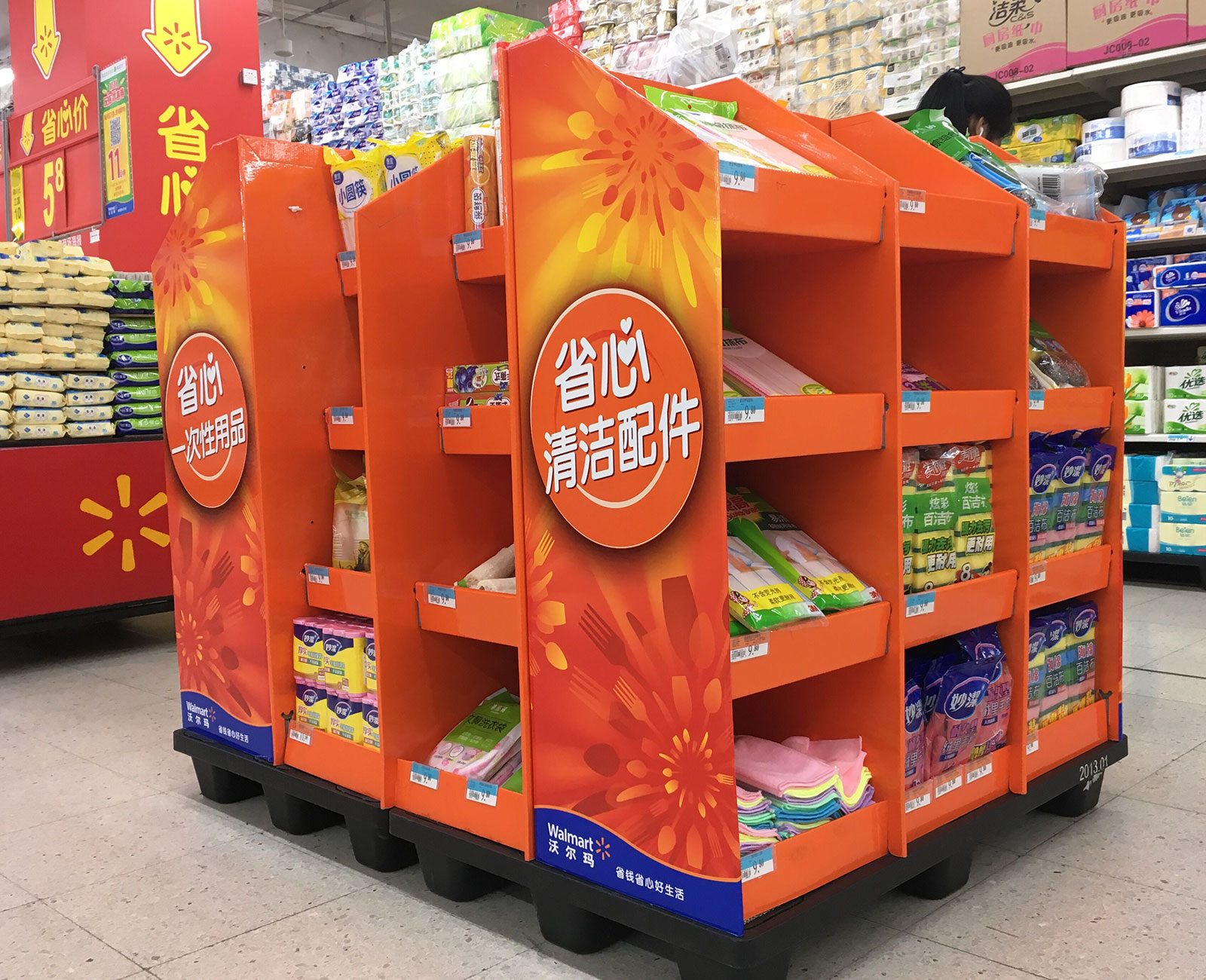
Step 1: Define Clear, Measurable Goals
Effective retail display strategy begins not on the shop floor, but in the boardroom. Before a single panel is folded or a shelf tray is loaded, your team must answer one critical question: What does this display need to accomplish?
Be specific and deliberate:
-
Are you liquidating seasonal inventory before the next product cycle?
-
Are you launching a new SKU and building brand awareness from scratch?
-
Are you focused on maximizing margin by putting your highest-profit products front and center?
The answers to these questions determine your display format, product selection, shelf allocation, and visual hierarchy. Brands that skip this step often build beautiful displays that fail commercially. Kingwin's consultative approach ensures we understand your commercial objectives before a single structural decision is made — because the right display strategy starts well before the factory floor.
Step 2: Select the Right Display Format
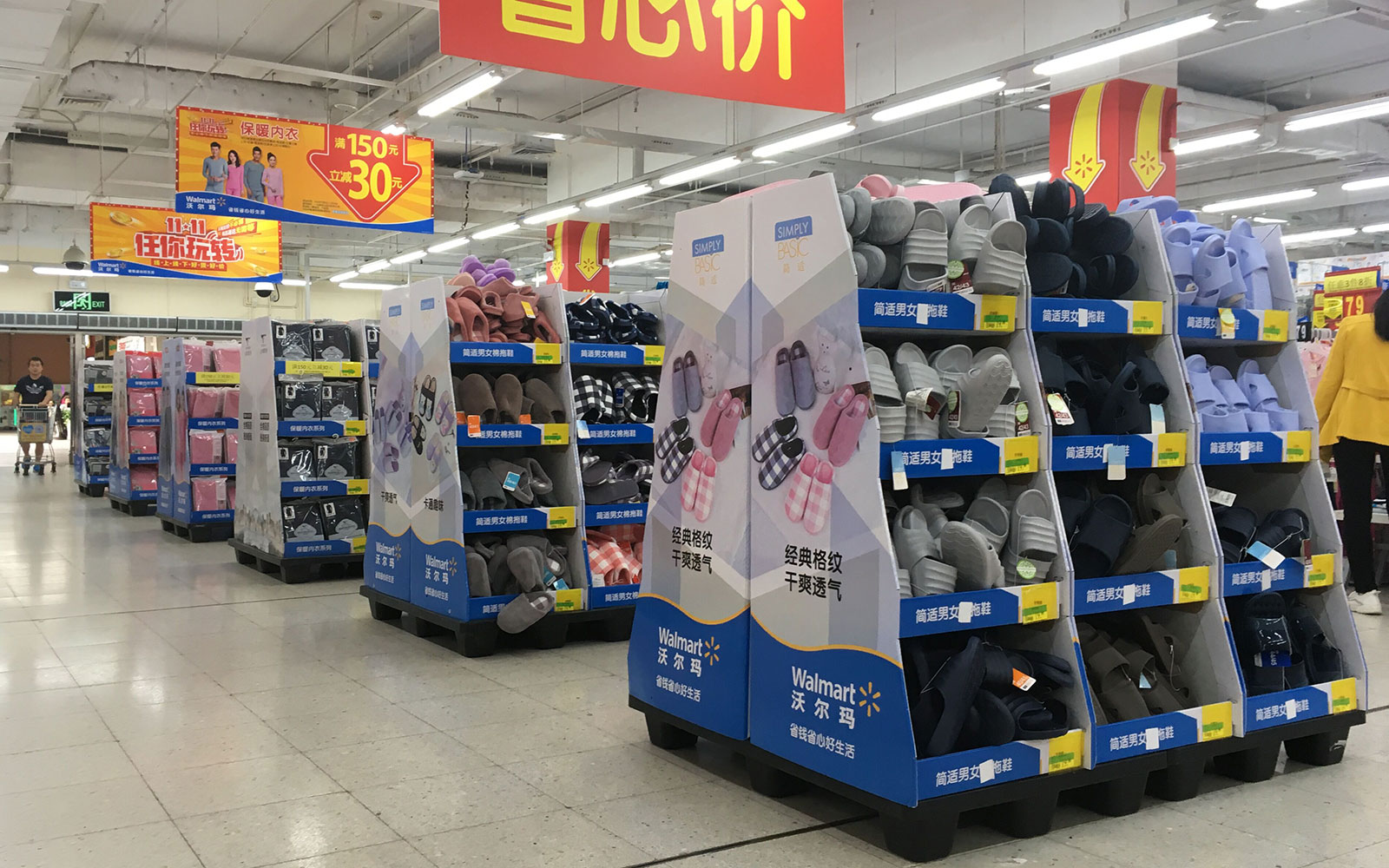
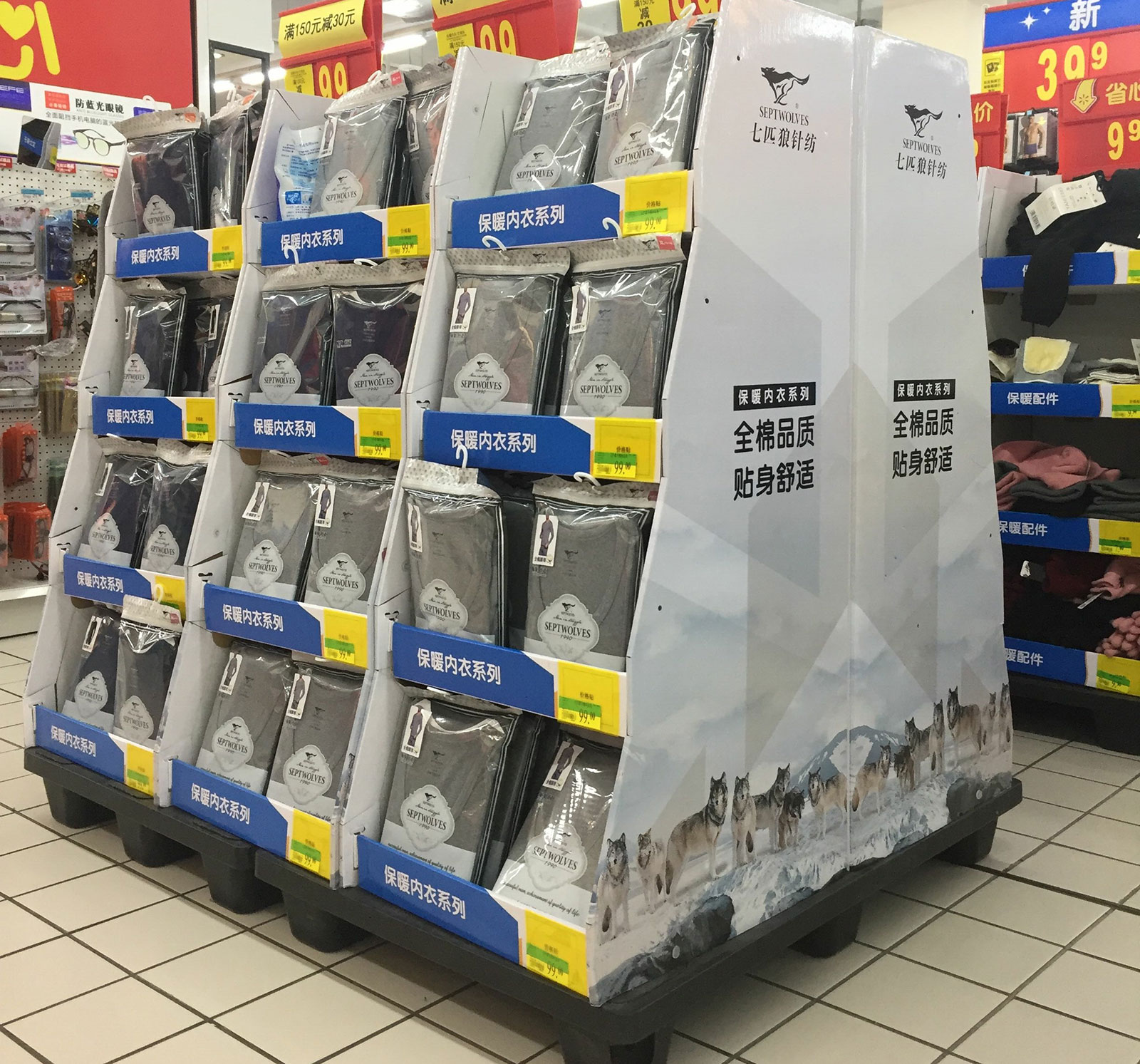
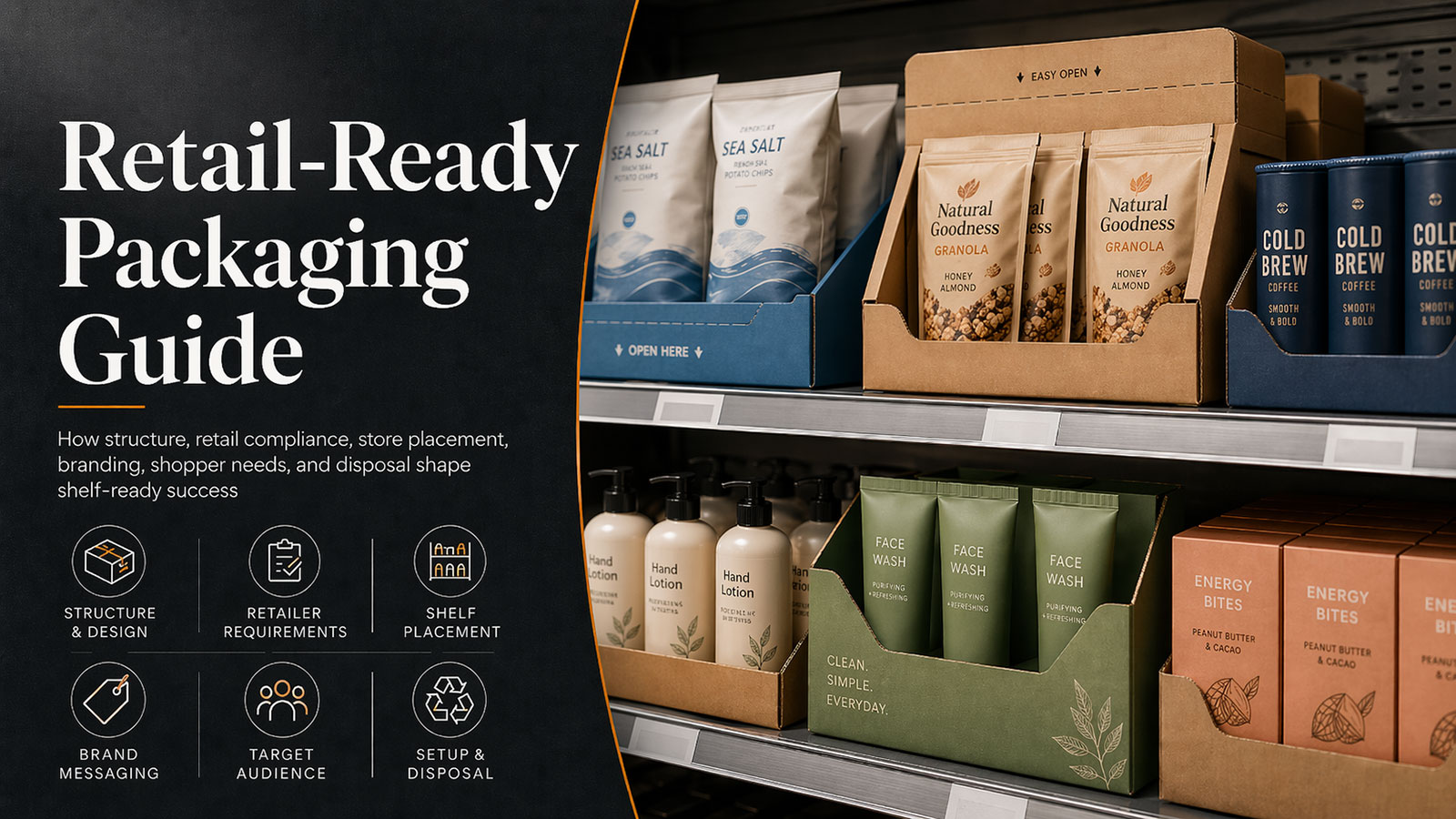
Matching the display type to the product and retail environment is a non-negotiable foundation of in-store success. Kingwin manufactures a comprehensive portfolio of corrugated display solutions, each engineered for a specific use case:
-
Counter displays — captures impulse purchases at the point of sale
-
Endcap displays — commands high-traffic aisle heads with maximum brand visibility
-
Floor standing display units (FSDUs) — delivers a freestanding brand presence in key retail zones
-
Full-view & half-view displays — showcases packaging design as part of the selling proposition
-
Inline displays — integrates seamlessly into existing planograms and shelf sets
-
Pallet displays — built for high-volume, bulk merchandise in club and mass retail
-
Power wing / sidekick displays — captures incremental shelf space without a dedicated footprint
-
Tower displays — maximizes vertical retail space for tall or stackable SKUs
-
Wall displays — preserves valuable floor space while maintaining brand presence
Selecting the wrong format is a costly and avoidable mistake. Kingwin's structural engineering team analyzes your product's weight, dimensions, and your retailer's floor plan to recommend the solution that delivers the greatest return on your display investment.
Step 3: Engineer Visual Impact
In retail, perception is reality. The shopper who stops in front of your display does so because something caught their eye — and you have approximately three seconds to hold that attention and convert it into engagement. That window demands intentional, professional visual design.
Apply these principles without compromise:
-
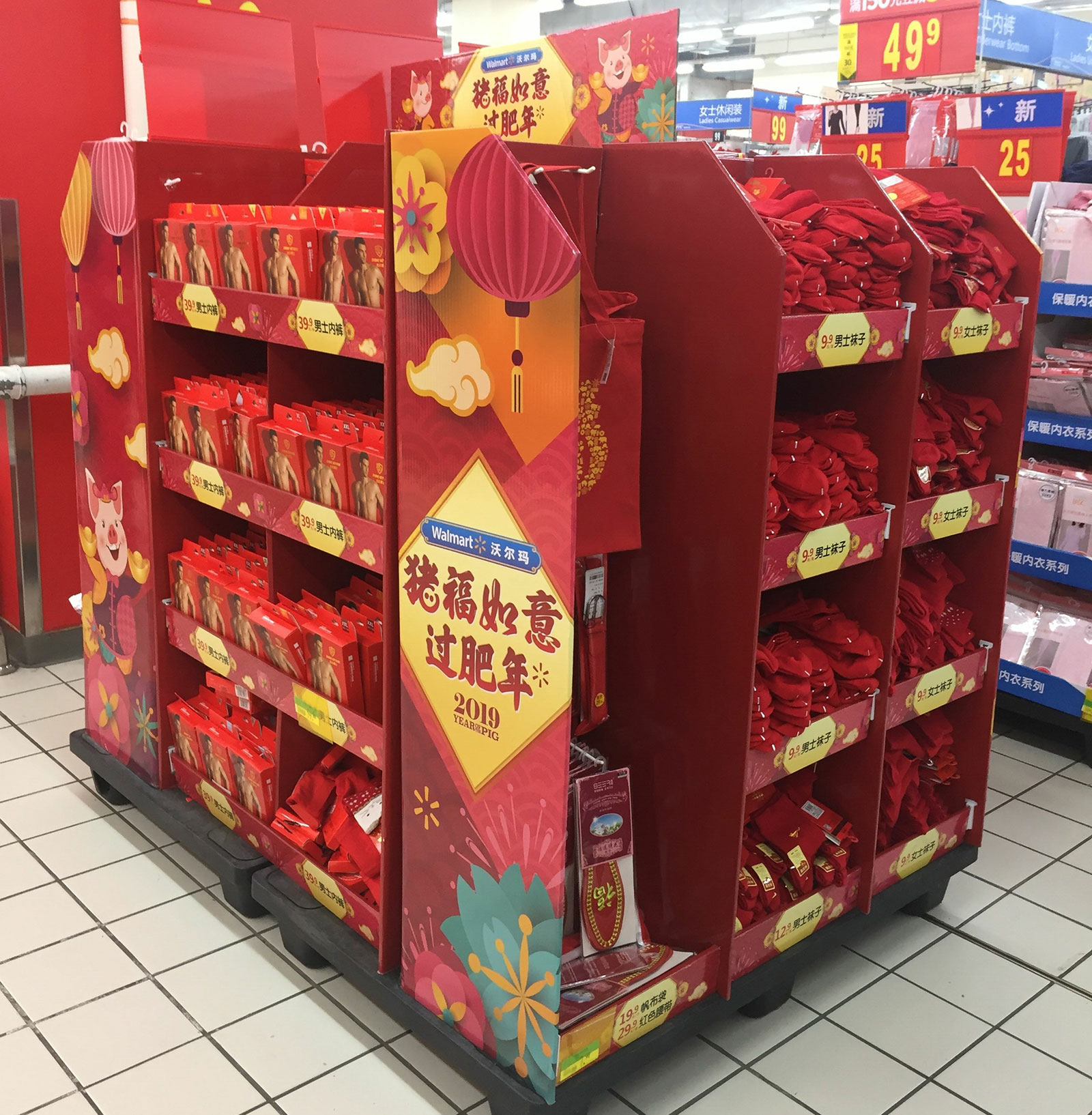
Lead with seasonality and relevance — align your display's aesthetic with the current retail moment, whether it's a holiday, a cultural event, or a seasonal trend, to signal immediacy and relevance
-
Make pricing unmistakably visible — transparency builds trust and eliminates the hesitation that kills conversions
-
Build deliberate color blocks — grouping products by color family creates visual cohesion that reinforces brand identity from a distance
-
Embrace bold, high-contrast graphics — your display must compete with an entire store environment; timid design loses that competition
-
Respect negative space — a disciplined, uncluttered presentation communicates premium quality and invites interaction rather than overwhelming the shopper
Kingwin's full-color offset printing technology delivers graphics that are crisp, vibrant, and brand-faithful — ensuring your visual investment performs at the highest possible level from day one.
Step 4: Apply Proven Merchandising Techniques
Assembly is mechanical. Merchandising is strategic. Once your display is structurally sound, the way you load and position your products determines whether shoppers engage, explore, and ultimately buy.
Cross-merchandising is one of the most commercially powerful techniques available to retail brands. By grouping complementary products on a single display unit, you simplify the shopper's decision-making process, increase perceived value, and drive higher basket sizes with no additional floor space. A skincare brand that places its cleanser, toner, and moisturizer together isn't just organizing product — it's selling a complete routine. A snack brand that pairs its chips with branded dips isn't just filling shelves — it's building an occasion.
When loading your Kingwin display:
-
Begin at the base and build upward, ensuring structural stability before adding weight to upper shelves
-
Secure every interlocking tab firmly — a sagging or leaning display undermines consumer confidence
-
Face all SKUs forward with labels fully legible and packaging aligned
-
Reserve eye level (4–5 feet from the floor) for your highest-priority products — this is the most commercially valuable real estate on any display
Step 5: Maintain and Refresh for Sustained Performance
A retail display is not a set-and-forget asset. Research consistently shows that over 70% of the information humans process is visual — which means a depleted, damaged, or outdated display does not merely underperform; it actively damages your brand perception in the eyes of the shopper.
Commit to a proactive maintenance and replenishment schedule:
-
Restock using the FIFO method — rotate new product to the back so older inventory sells through first, reducing waste and protecting margins
-
Inspect structural integrity at every visit — re-engage any loosened tabs, straighten leaning panels, and replace any components showing visible wear or damage
-
Reassess placement in response to store resets — ensure your display remains in a high-traffic, well-lit location after any retail floor reconfigurations
-
Introduce visual refreshes at key intervals — swapping headers, shelf talkers, or seasonal signage extends the display's commercial life and keeps it feeling current
-
Retire and recycle responsibly — Kingwin's corrugated displays are 100% recyclable, enabling a clean, eco-responsible campaign close
Brands that invest in rigorous ongoing maintenance routinely outperform those that treat deployment as the finish line.
Kingwin: Your Strategic Display Partner
Setting up a retail display stand the right way is a discipline that spans strategy, design, engineering, and execution. Every step in this process is an opportunity to strengthen your brand, accelerate sell-through, and build lasting relationships with both shoppers and retail partners.
Kingwin delivers on every dimension. From structural concept and prototyping to full-color production and nationwide fulfillment, we bring manufacturing precision and commercial insight to every display program we build. Whether you are launching a single countertop unit into a test market or executing a large-scale floor display rollout across hundreds of retail locations, Kingwin has the capability, the expertise, and the commitment to make it succeed.