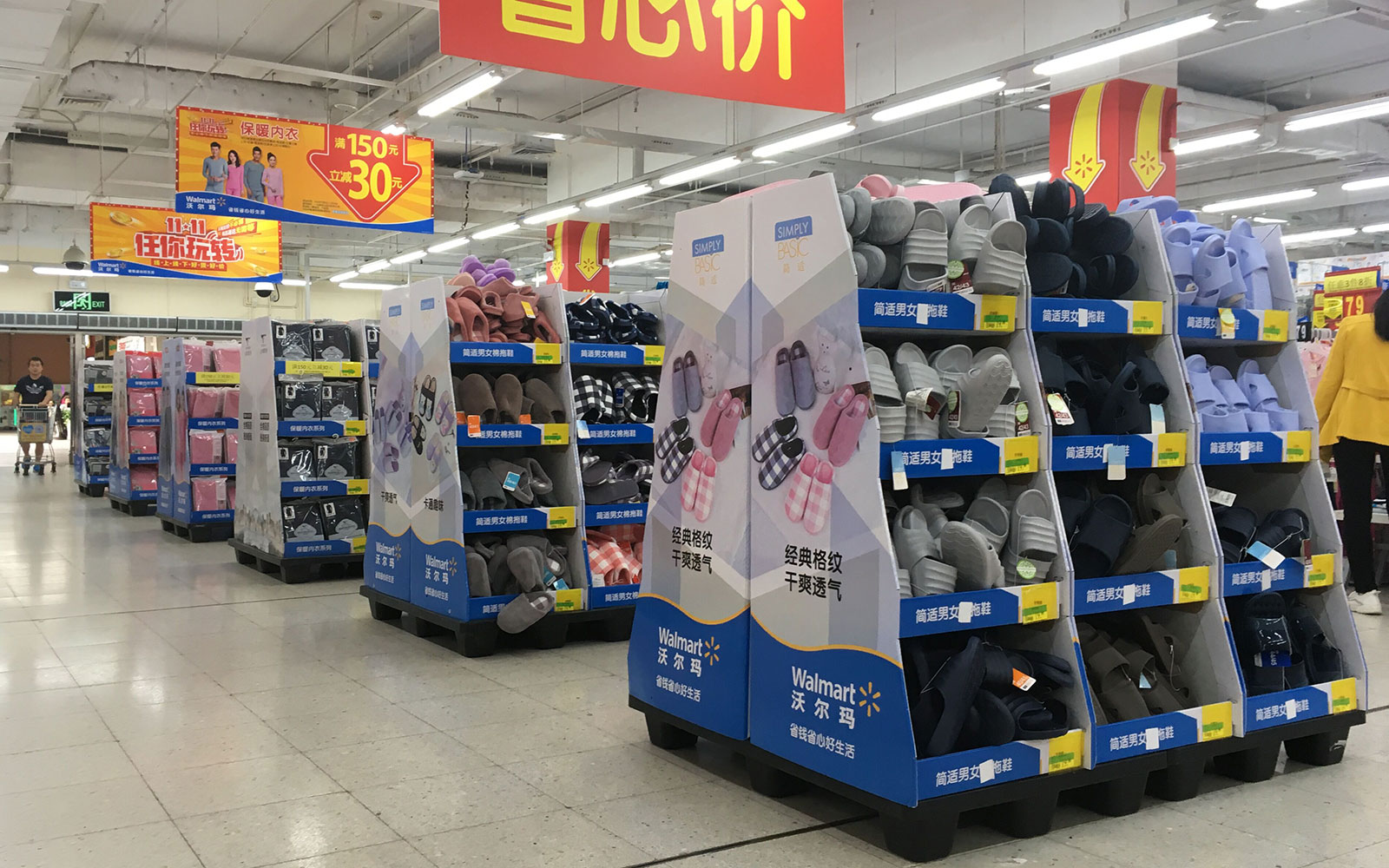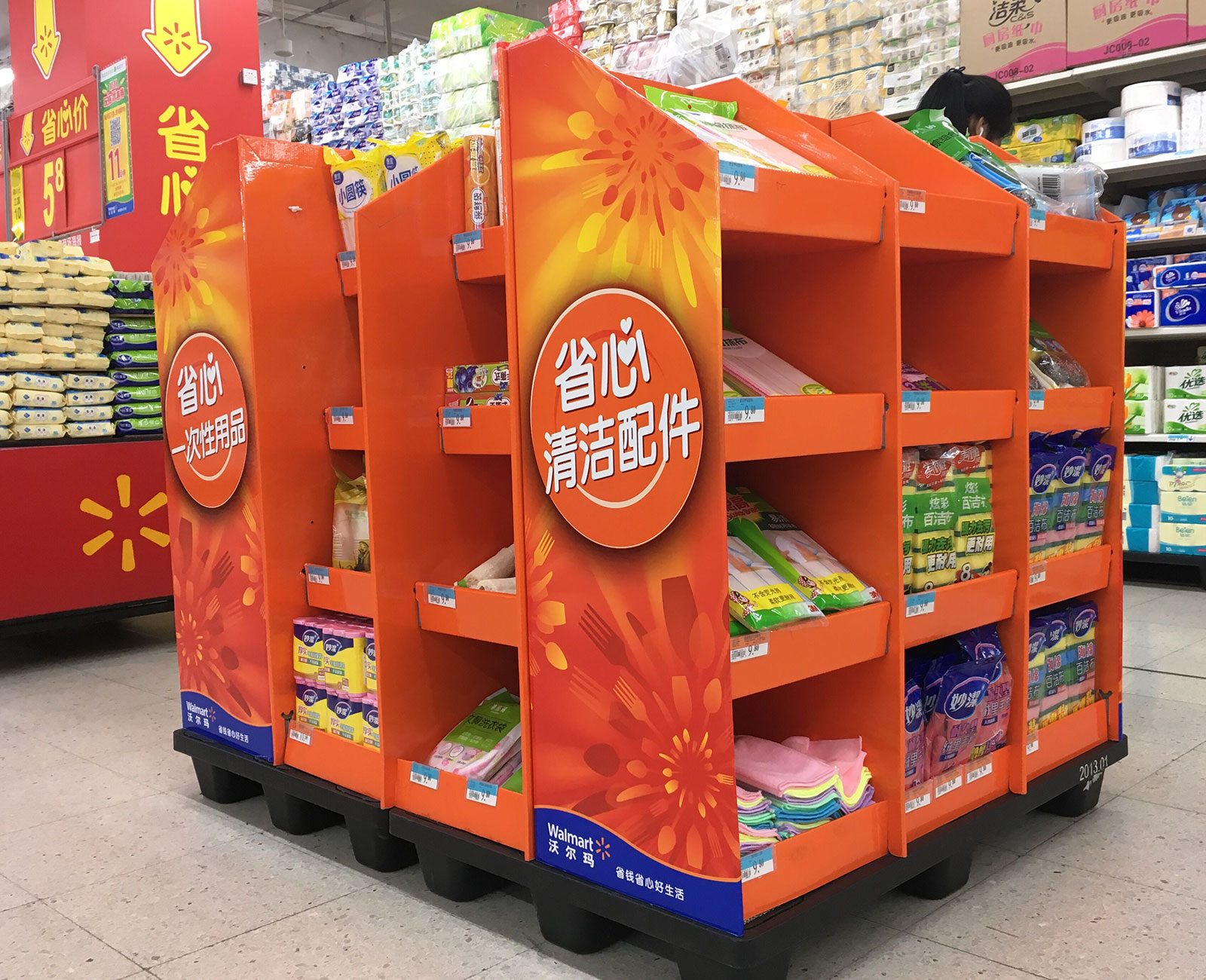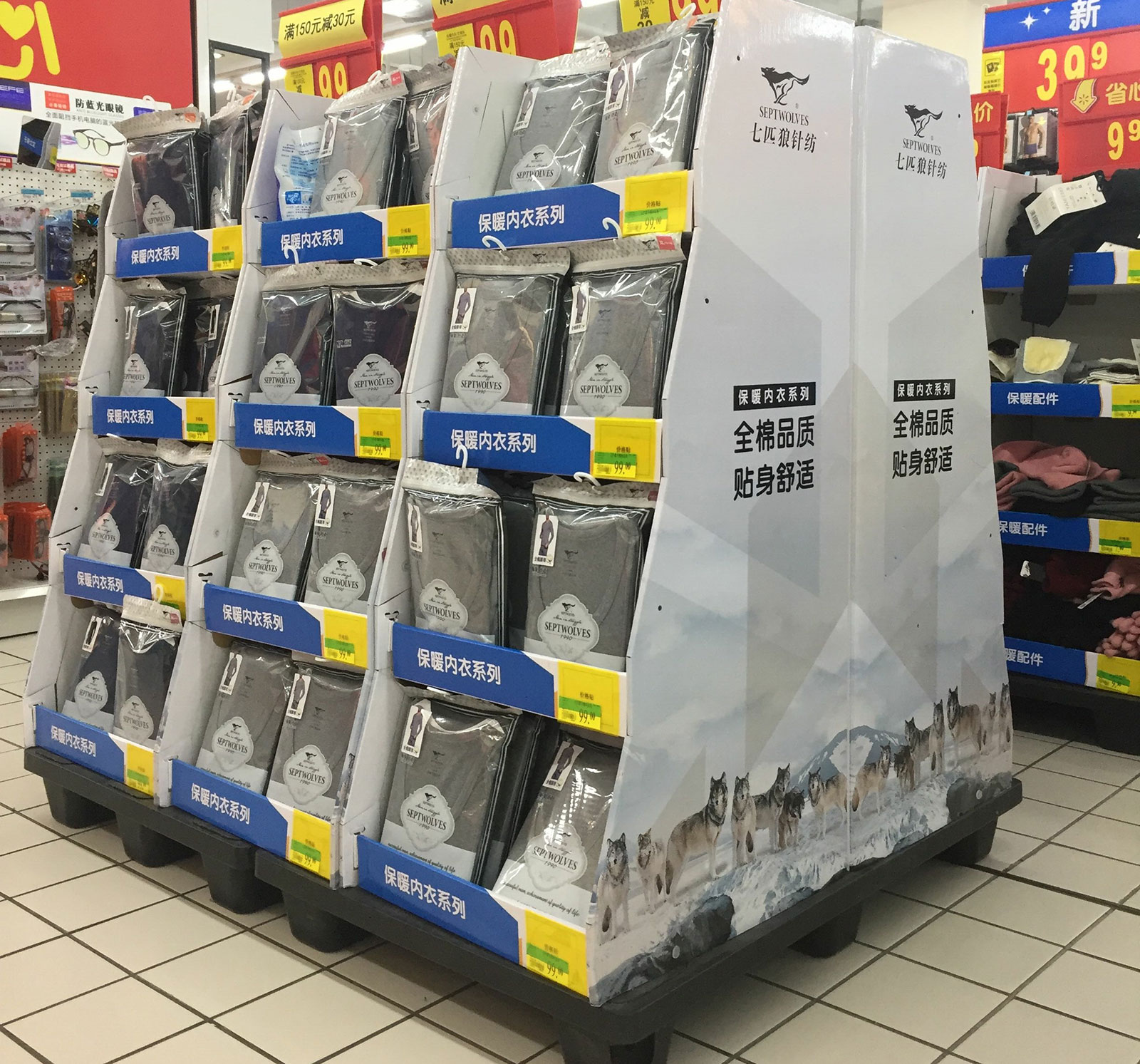

Walk into any major supermarket between November and December, and you will immediately notice something: the brands that capture attention are not the ones with the biggest marketing budgets. They are the ones with the best displays. A well-executed seasonal POP display does in three seconds what a digital ad struggles to do in thirty — it puts a product in a shopper's hand before they have consciously decided to buy anything.
For retail brands planning seasonal campaigns in 2026, cardboard POP displays remain the most practical, scalable, and commercially proven format available. This guide covers why, and how to use them effectively.
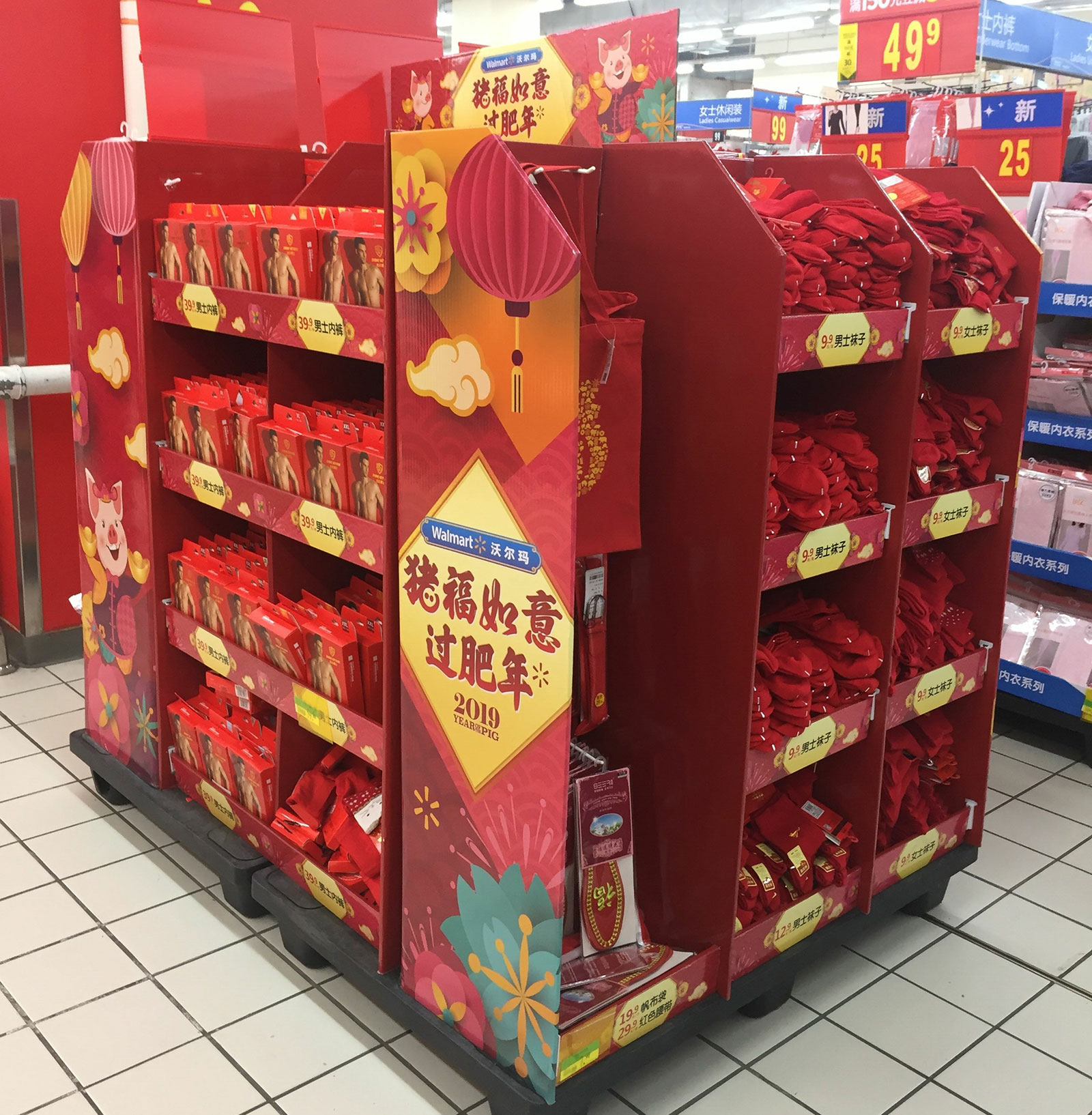
The Business Case for Seasonal Displays
Seasonal retail is not a niche opportunity. It is the backbone of category performance for thousands of consumer goods brands. The global corrugated POP display market reached $12.4 billion in 2025 and is forecast to grow at 6.8% annually through 2028 — growth driven not by novelty, but by consistent performance at the shelf level.
What makes seasonal windows different from standard promotions is urgency. Shoppers during seasonal periods are already in a buying mindset. They are actively looking for products that fit a specific occasion, often within a defined timeframe. A display that speaks directly to that occasion — with the right visual cues, in the right location — converts at meaningfully higher rates than standard shelf placement. Research in 2026 shows shoppers spend an average of 3.2 seconds longer engaging with a well-designed structural cardboard display than with a wire hook or standard shelf strip. That gap, small as it sounds, is the difference between a considered purchase and a walked-past product.
The seasonal calendar for most retail categories breaks into five main windows: Valentine's Day in February, Spring and Easter through March and April, Back-to-School in July and August, Halloween in October, and the Holiday season from mid-November through December. Each requires a distinct visual approach, a distinct product selection, and critically, a distinct lead time. Brands that treat these windows interchangeably — or plan for them too late — consistently underperform against competitors who build seasonal execution into their annual production calendar from the start.
Why Cardboard Remains the Material of Choice
The question of which material to build a POP display from is not purely aesthetic. It involves cost, logistics, regulatory compliance, and increasingly, consumer perception.
Metal and acrylic displays can look impressive on a spec sheet. In practice, they are slow and expensive to produce, difficult to customize between seasons, and almost impossible to recycle through standard retail waste streams. Injection-molded plastic faces growing restrictions across European markets under EPR (Extended Producer Responsibility) legislation, which now requires brands to provide full lifecycle documentation for in-store display materials.
Corrugated cardboard sidesteps these problems entirely. It is bio-based, fully recyclable, and ships flat — which means a full seasonal campaign's worth of display units can be consolidated onto a fraction of the pallet space required by pre-assembled alternatives. That shipping efficiency translates directly to lower freight costs and up to 71% fewer carbon emissions per pallet compared to rigid display formats.
The structural performance of modern corrugated cardboard has also improved substantially. Dual-wall micro-flute constructions and bio-based adhesives now deliver load-bearing capacity that rivals medium-density fiberboard, while remaining light enough for a single store associate to reposition without tools or assistance. For seasonal campaigns that require rapid store-level execution across dozens or hundreds of locations, that practical advantage matters enormously.
Consumer sentiment adds another layer to the argument. A 2026 survey found that 73% of global shoppers express a preference for products displayed in sustainable, eco-friendly materials. Whether or not a shopper reads the FSC certification mark on a display base, the visual and tactile qualities of well-finished corrugated cardboard communicate quality and environmental consideration. For brands building long-term retail relationships, that perception is worth protecting.
Choosing the Right Display Format
Not every seasonal campaign calls for the same display structure. The format should follow the product, the retail environment, and the commercial goal — not the other way around.
Floor-standing display units (FSDUs) are the most visible and versatile format for seasonal merchandising. At 48 to 60 inches tall, they hold a full product range, deliver 360-degree brand visibility, and can be die-cut into seasonal shapes that transform a functional fixture into a genuine retail theater piece. A Christmas tree FSDU or a Halloween pumpkin silhouette does not just hold product — it tells a story that shoppers respond to emotionally before they read a single word of copy.
Countertop displays (CDUs) serve a different function. Built from F-flute corrugated for a premium, smooth print surface, they sit at checkout counters and service points where purchase decisions are made impulsively, often in the final seconds before a transaction completes. Seasonal chocolates, lip balms, stocking stuffers, and novelty items consistently perform well in this format. The checkout environment is one of the highest-converting locations in any retail store, and a seasonal CDU that is refilled consistently will outperform almost any digital touchpoint in cost-per-conversion terms.
Pallet displays are purpose-built for high-volume seasonal launches in hypermarkets, warehouse clubs, and large-format grocery retailers. When a brand needs to move significant volume of a seasonal product in a short window — a summer beverage, a holiday gift set, a back-to-school bundle — a full pallet display with coordinated header and side graphics creates the kind of destination presence that drives both trial and repeat purchase. The industry term "Promotional Theatre" describes this format well: it is not just a display, it is an environment.
End cap displays capture shoppers mid-journey, at the end of shopping aisles. They provide a second and third exposure to seasonal products within a single store visit, reinforcing the message started at the entrance or pallet zone. Repetition of brand messaging within a single shopping trip has a measurable effect on purchase intent, particularly during emotionally charged seasons.
One format worth noting for 2026 is the IoT-enabled FSDU — floor-standing units integrated with lightweight sensors that monitor inventory levels in real time and send automated restocking alerts to store staff. For seasonal campaigns where an empty display is a direct revenue loss, this technology eliminates one of the most persistent execution failures in retail merchandising.
Design That Converts
Structural integrity gets your display into the store. Design determines whether it sells.
The most effective seasonal displays in 2026 share a common characteristic: they make a single, clear visual statement and then get out of the way. The seasonal color palette — red and gold for Christmas, pastels for Easter, orange and black for Halloween — handles a large portion of the emotional communication before a shopper reads a word. Leaning into these established visual codes is not a creative limitation; it is a shortcut to the part of the brain that makes purchase decisions.
Print quality is a direct proxy for brand quality in the shopper's mind. CMYK printing with Pantone spot color matching ensures that your display looks as premium in a regional convenience store as it does in a flagship hypermarket. Matte lamination, UV gloss, and hot stamping finishes are now accessible at competitive price points and add a tactile dimension to the display that photographs, digital ads, and shelf strips simply cannot replicate.
Copy should be minimal and action-oriented. "Limited Edition," "Only Available Through December," "The Perfect Gift" — these short, direct phrases work because they acknowledge the seasonal context and create low-stakes urgency without resorting to aggressive sales language. The more words on a display, the fewer a shopper will read.
The integration of QR codes and AR triggers has moved from early-adopter novelty to standard practice for mid-to-large brand campaigns in 2026. A QR code linking to a gift guide, recipe page, or loyalty sign-up adds measurable digital engagement to a physical display and creates a data bridge between the in-store moment and the online brand relationship. For children's product categories, interactive physical elements — pull tabs, scratch reveals, spin mechanisms — remain highly effective at generating the dwell time and emotional connection that drives both immediate purchase and longer-term brand preference.
One design element that has earned genuine commercial impact in 2026: a visible, plain-language sustainability statement on the display itself. "This display is made from 100% recycled corrugated cardboard. Please recycle." It costs nothing to include and consistently tests well with shoppers across age groups and demographics.
Placement Strategy
A display in the wrong location is a waste of production budget. Placement strategy should be planned alongside design, not as an afterthought.
Store entrances set the seasonal tone. An FSDU positioned immediately inside the entry point primes shoppers for the category before they reach the relevant aisle — and in some cases, creates a purchase decision before the shopper has even picked up a basket. Checkout counters capture the final, highest-intent moment in the purchase journey. End caps provide mid-trip reinforcement. Each location serves a different function in the purchase pathway, and a coordinated campaign that deploys different display formats across multiple in-store touchpoints consistently outperforms a single-placement strategy.
Product adjacency is an underused placement tool. Seasonal confectionery placed beside a wine display for Valentine's Day. Sunscreen positioned next to summer beverages. Festive biscuits adjacent to the coffee aisle in December. These adjacencies feel intuitive to shoppers because they mirror real consumption occasions, and they expose the seasonal display to shoppers who may not have sought out the category on their own.
In hypermarkets and warehouse retail, the "Promotional Theatre" zone — a cluster of coordinated pallet and floor displays occupying a dedicated section of the store floor — has become a standard seasonal execution model. Brands that secure these zones for peak seasonal windows effectively own a section of the store during the highest-traffic trading period of the year.
Production Planning and Lead Times
The most common avoidable failure in seasonal display campaigns is missing the lead time window. A display that arrives on November 20th for a campaign that should have launched November 1st is not a late win — it is a lost month of selling.
A practical production calendar for 2026 seasonal campaigns:
| Season | Target Launch | Start Briefing | Sample Sign-Off |
|---|---|---|---|
| Valentine's Day | February 1 | October 15 | November 15 |
| Easter / Spring | March 20 | December 1 | January 10 |
| Back-to-School | August 1 | April 15 | May 20 |
| Halloween | October 1 | June 15 | July 20 |
| Holiday / Christmas | November 15 | July 15 | September 1 |
Brands that work with the same display manufacturer across multiple seasons gain a significant advantage here. Shared structural templates — the same base display frame, refreshed with new seasonal graphic panels — reduce both lead time and per-campaign tooling costs by 30 to 40%, without compromising visual impact. It is a straightforward operational efficiency that compounds over a multi-year seasonal calendar.
About Kingwin Paper
Shenzhen Kingwin Paper Co., Ltd. is a full-service manufacturer of custom cardboard POP displays and retail packaging, working with brands and retailers across North America, Europe, and Asia-Pacific.
Kingwin Paper handles structural design, prototyping, printing, and production in-house — covering the full range of seasonal display formats including floor FSDUs, countertop CDUs, corrugated shipper displays, pallet displays, and rigid gift boxes. All materials are FSC-certified and fully recyclable, with chain-of-custody documentation available to satisfy retailer compliance requirements.kingwinpaper+2
For brands planning seasonal campaigns at scale, Kingwin Paper offers OEM and ODM services, supporting custom structural engineering and branded graphic production from initial concept through delivery.
Measuring What Works
The average cardboard seasonal display campaign generates a 4.2x return on investment in 2026, up from 2.9x in 2022. That improvement reflects better measurement as much as better execution — brands that track display performance rigorously now have the data to optimize placement, format, and design choices across seasons.
The metrics worth tracking are sales velocity during the display period versus the same period in the prior year, sell-through rate as a measure of inventory efficiency, and where IoT-enabled displays are deployed, real-time dwell time and engagement data. Running controlled tests across store clusters — varying one element at a time between display format, placement, and design — builds a proprietary performance data set that makes each successive seasonal campaign more effective than the previous one.
Sustainability as a Competitive Requirement
EU EPR regulations effective in 2026 require brands to provide full lifecycle documentation for all temporary in-store display materials. For brands already using corrugated cardboard, compliance is straightforward. For brands still using plastic or mixed-material displays, the regulatory and retailer relations pressure to transition is now significant.
Beyond compliance, the commercial case for sustainable display materials is well established. Corrugated cardboard ships flat, reducing logistics costs and emissions. It is accepted in standard recycling streams at retail without special handling. And it communicates environmental responsibility at the point of purchase, where an increasing proportion of brand loyalty decisions are being made.
FSC certification, visible on the display structure, provides the third-party verification that sophisticated retail buyers and sustainability-conscious shoppers expect. It is not a marketing claim — it is documentation. And in 2026, documentation matters.
Seasonal retail rewards preparation and punishes improvisation. The brands consistently outperforming their category benchmarks are not spending more on seasonal campaigns — they are planning earlier, executing with more structural and creative discipline, and measuring results with enough rigor to improve each year. Cardboard POP displays are the vehicle for that execution. The seasonal calendar, the display format, the design, the placement, and the lead time planning are the strategy. Get those right, and the investment returns itself many times over.