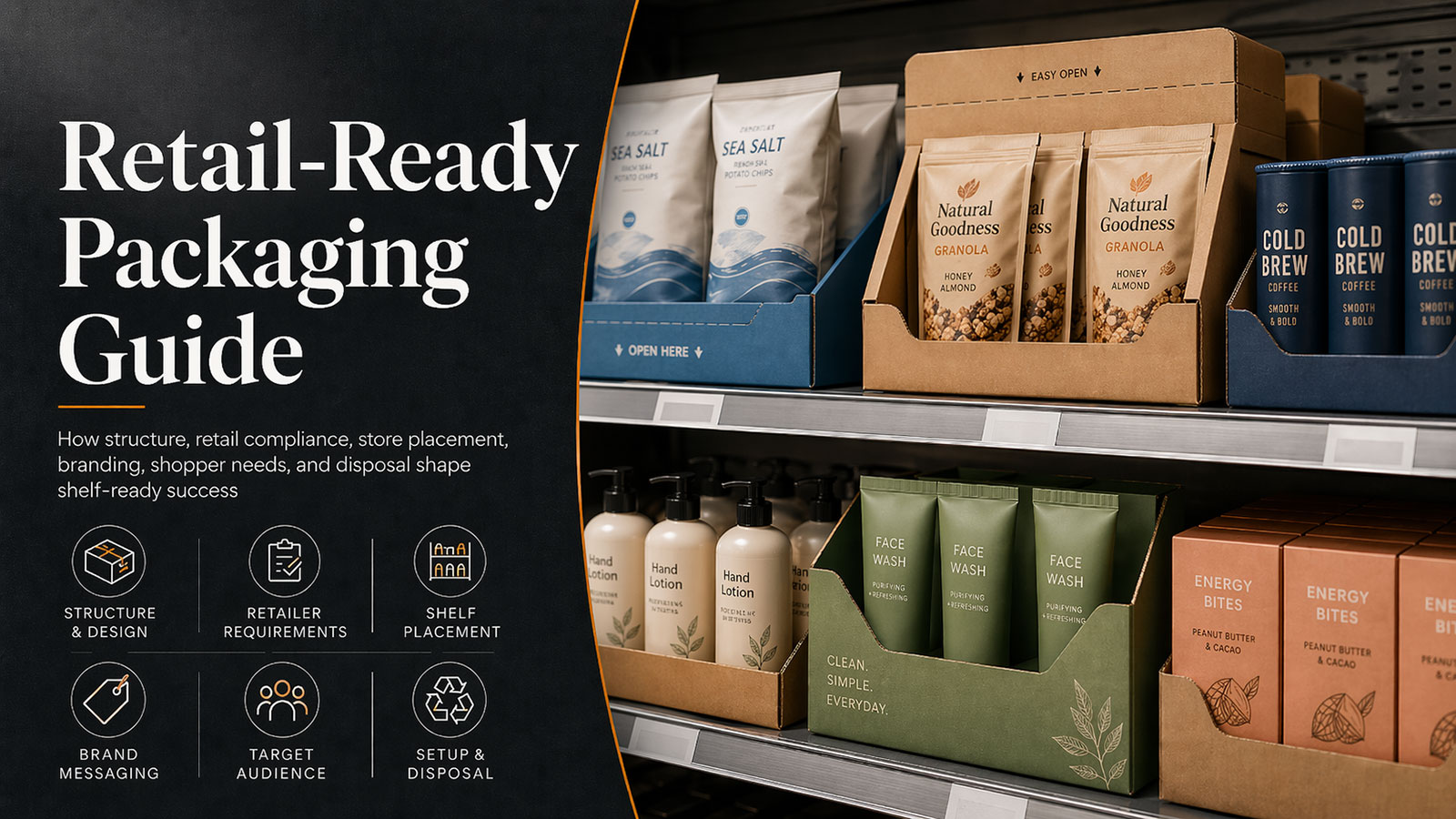

Over 83% of global retail sales still happen in physical stores — yet most digital-first brands treat brick-and-mortar as an afterthought. That's a mistake that costs real revenue.
Brands that have grown through Instagram ads, email funnels, and Amazon listings often assume their online momentum will carry over to the shelf. It rarely does. In-store retail operates by different rules, and without the right physical presence, even the strongest digital brand can get lost in a crowded aisle.
- Why E-Commerce Success Doesn't Guarantee In-Store Wins
- 3 Core Pillars of a Successful Online-to-Offline Strategy
- 1. Brand Consistency Across Every Touchpoint
- 2. Design Displays That Work Within Retailer Constraints
- 3. Recreate the Unboxing Experience on the Shelf
- 3 High-ROI Display Formats for Brands Going Physical
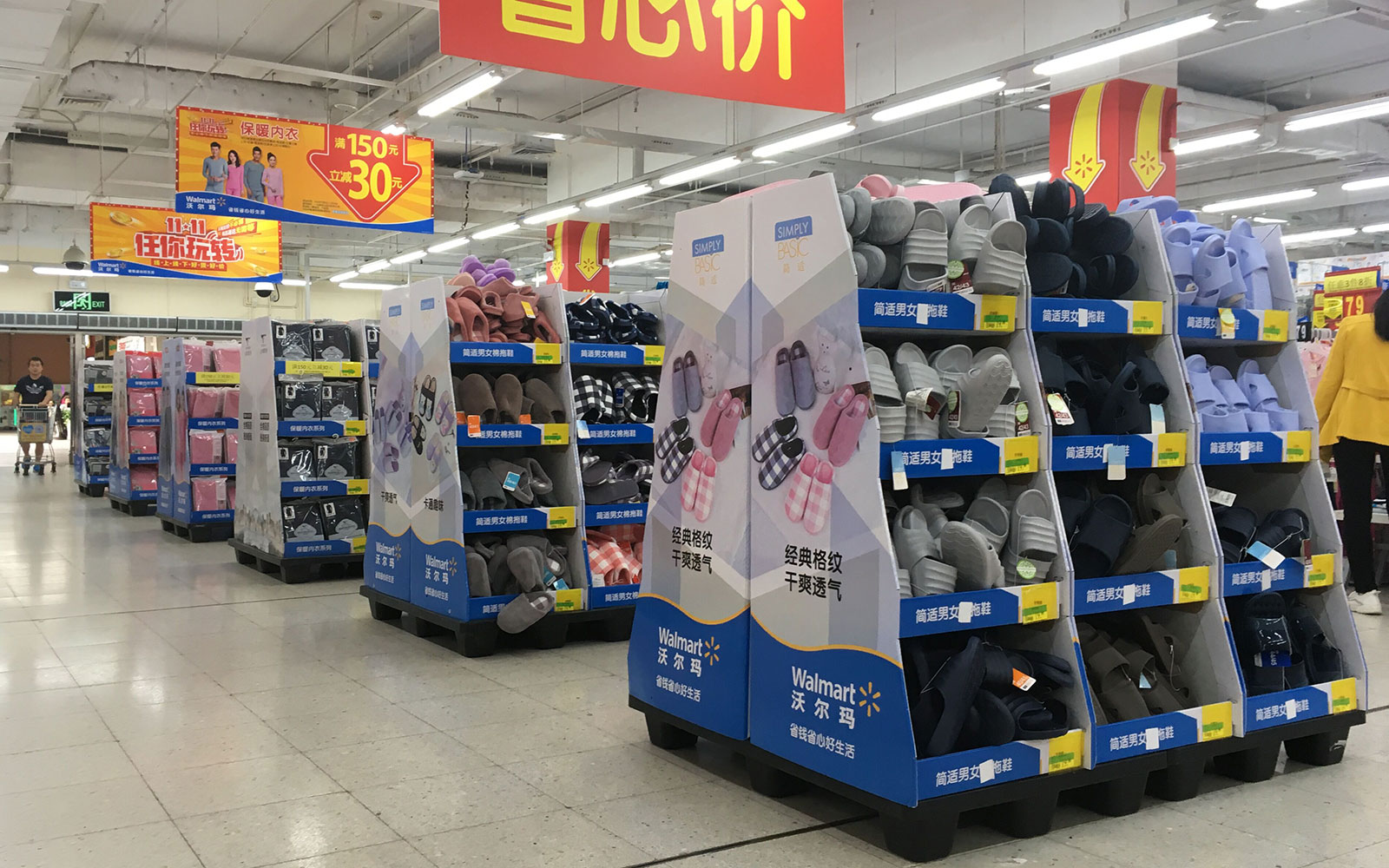
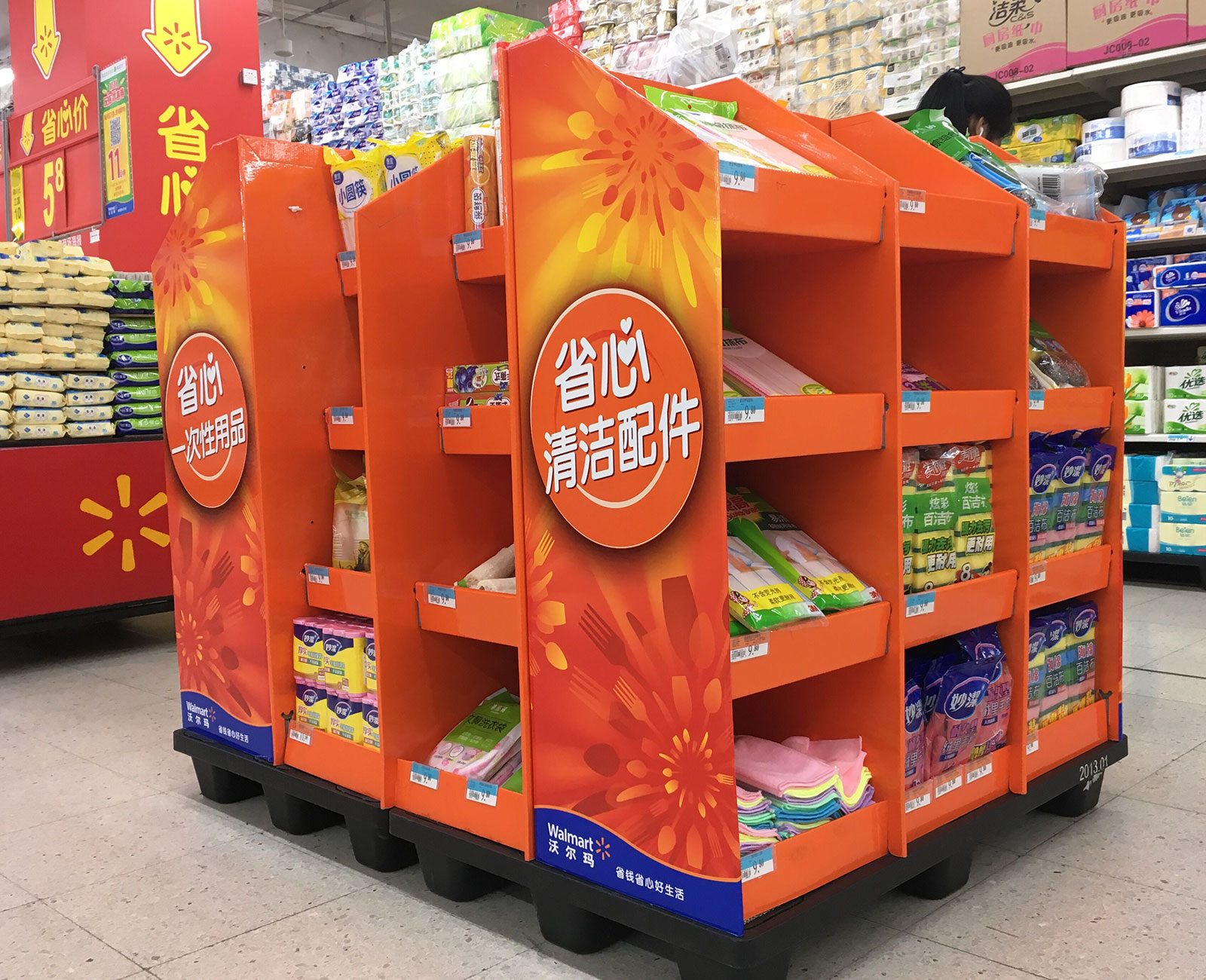
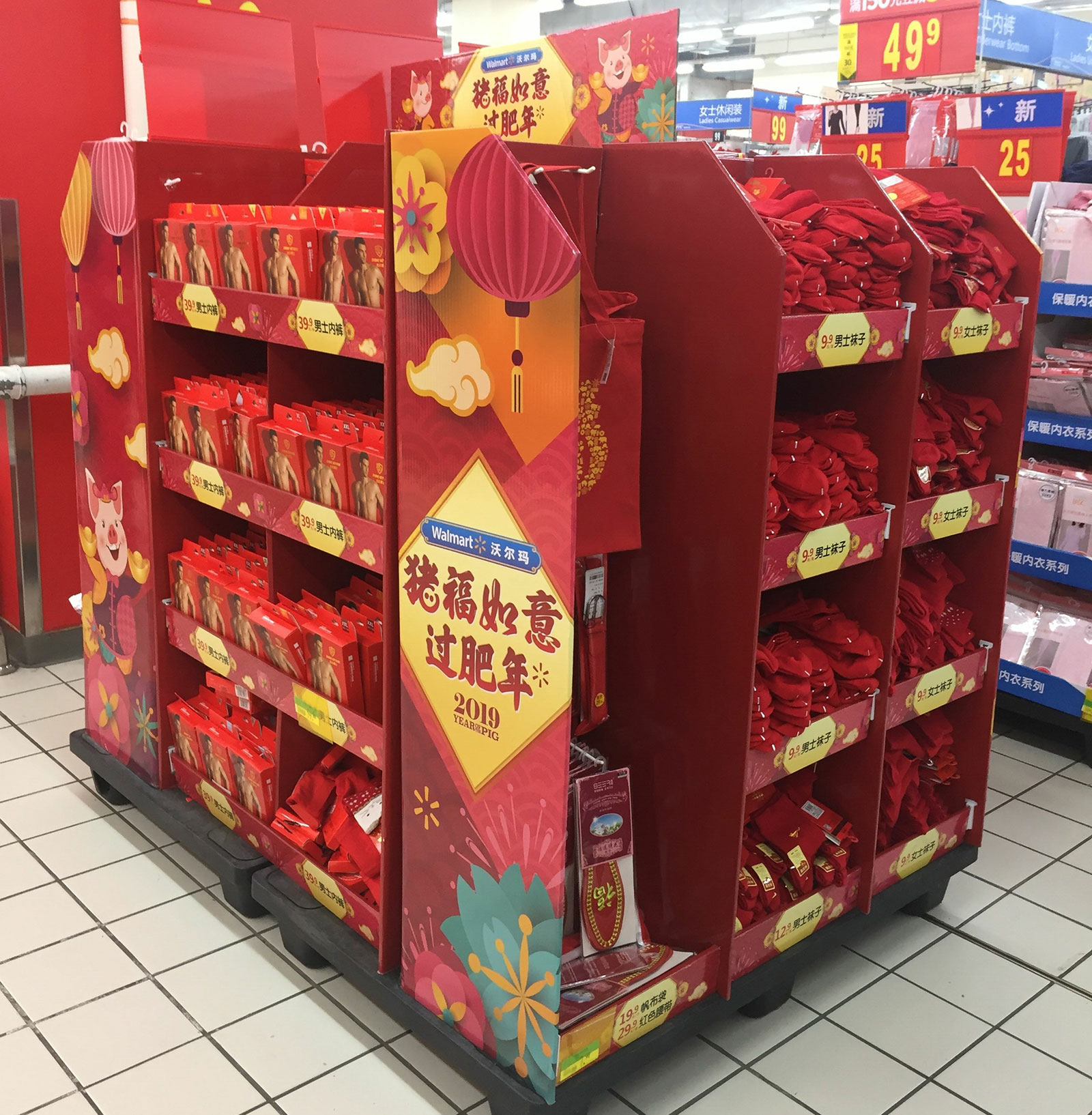
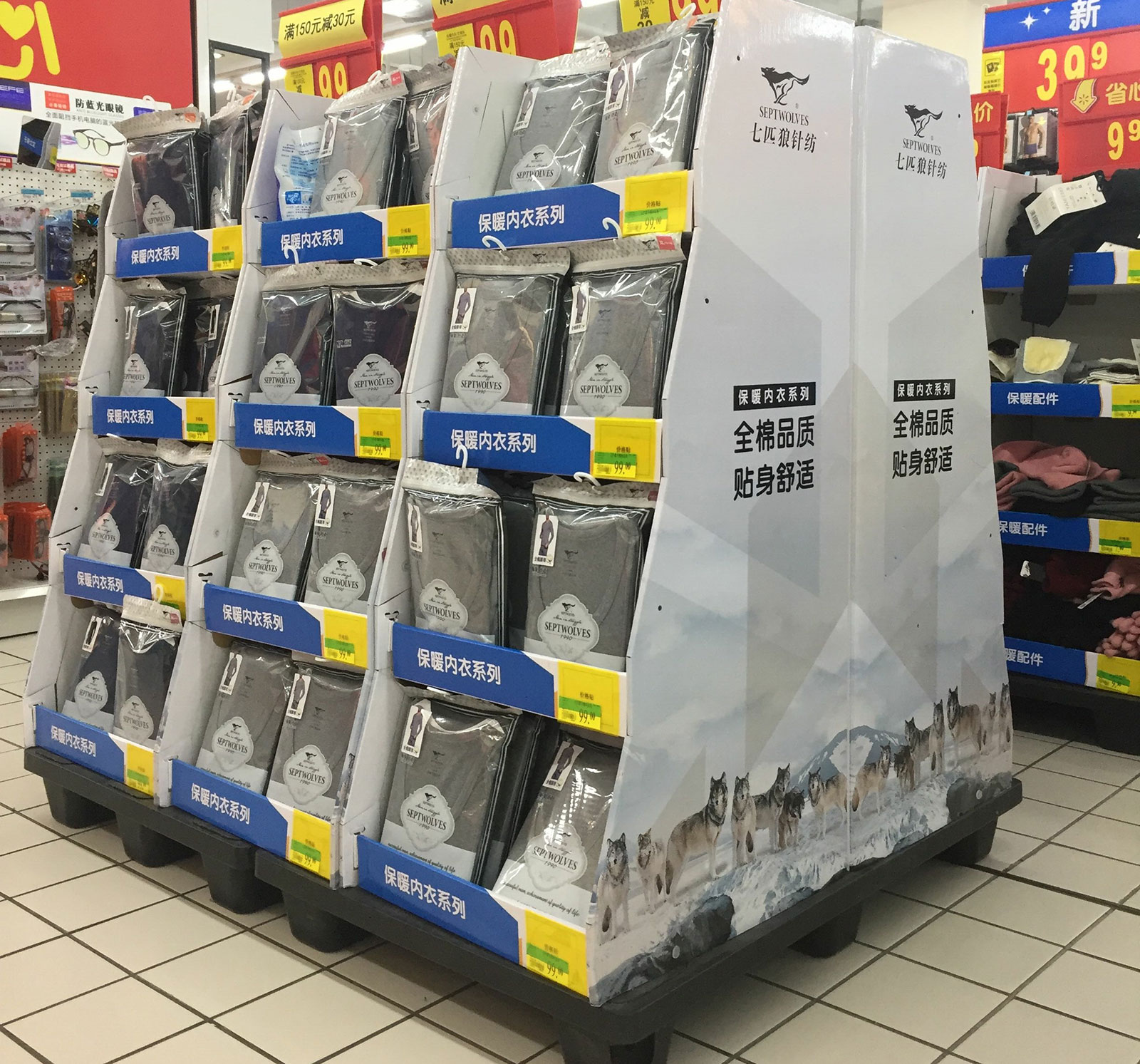
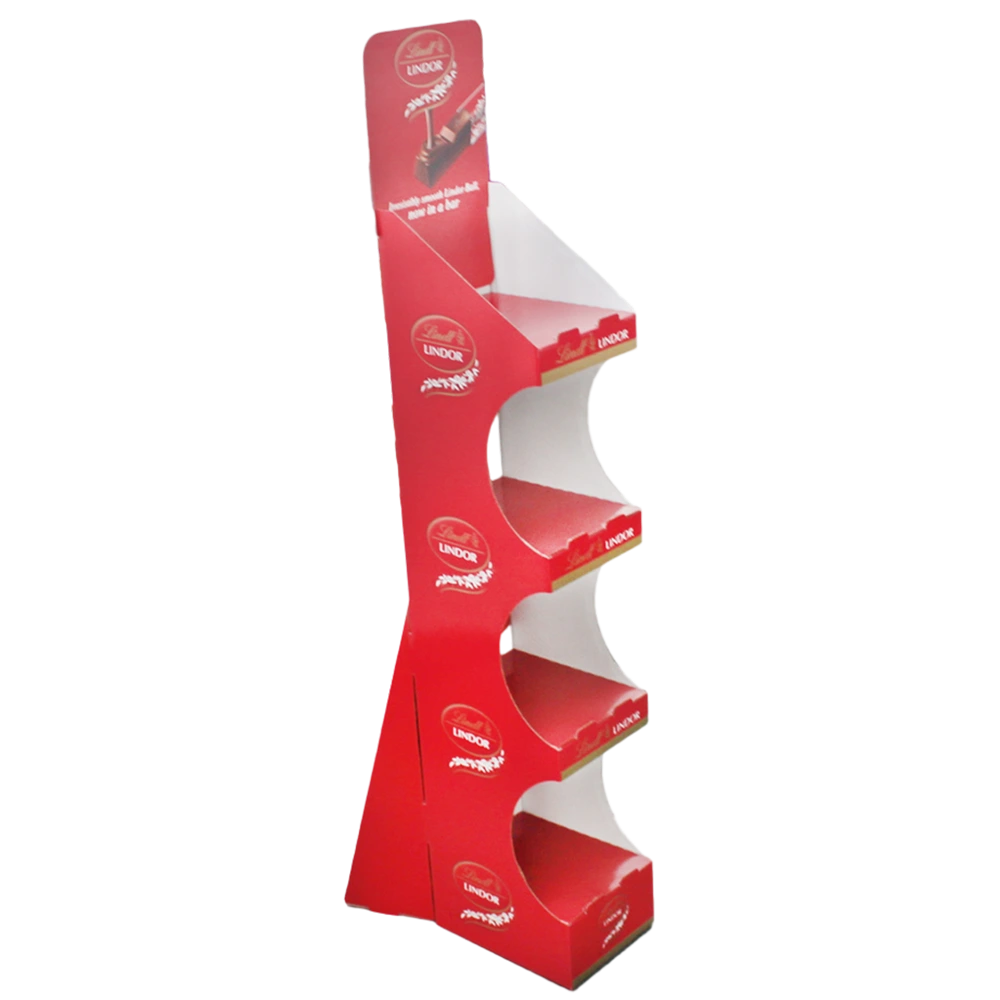
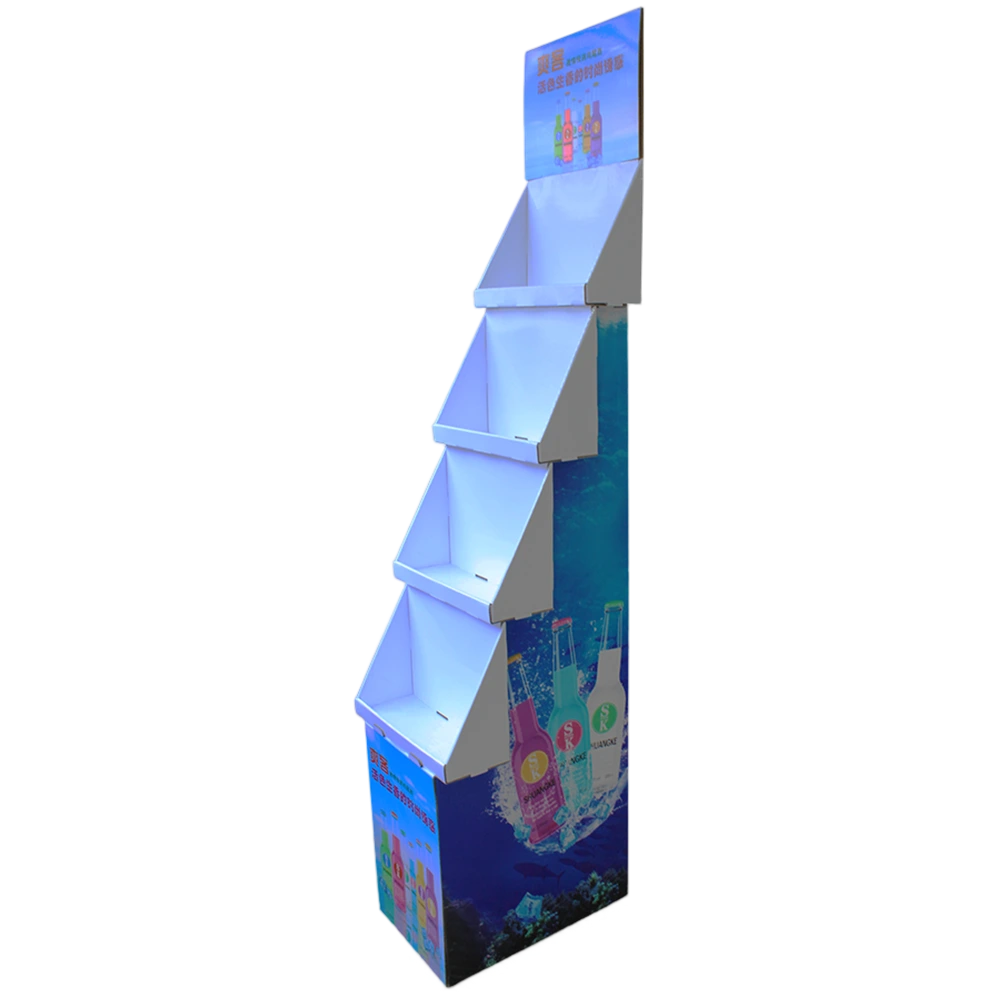
- Floor Displays
- Counter Displays
- Endcap Displays
- How to Measure Whether Your Displays Are Working
- Making the Leap Worth It
The good news: the same things that make your brand work online — clear messaging, strong visuals, and an emotional connection with buyers — can absolutely translate to physical retail. The key is knowing how to build that bridge. Custom paper and corrugated displays are one of the most effective tools for doing exactly that.
Why E-Commerce Success Doesn't Guarantee In-Store Wins
Online and offline shopping trigger different behaviors in buyers, and understanding that distinction is the foundation of any successful retail expansion.
When shoppers browse your website, they're already interested — they searched for you, clicked an ad, or were referred by a friend. That intent is a major advantage you don't have in-store. In a physical retail environment, a shopper walking down the aisle hasn't thought about your brand yet. You have roughly three seconds to earn their attention before they move on.
Here's how the two environments compare:
-
Attention: Online, shoppers seek you out; in-store, your display must stop them cold
-
Engagement: Digital relies on clicks and scroll depth; physical retail needs touch, color, and immediate sensory appeal
-
Brand Communication: Online, your website and content do the talking; in-store, your display and packaging are your only voice
-
Decision Speed: Online shoppers browse and compare for minutes or hours; in-store decisions happen in seconds
Bridging this gap requires more than printing your logo on a cardboard box. It requires a deliberate, strategic approach to how your brand shows up on the floor.
3 Core Pillars of a Successful Online-to-Offline Strategy
After working with dozens of brands making this transition, three principles consistently separate those who win shelf space from those who struggle to move product.
1. Brand Consistency Across Every Touchpoint
Shoppers who discovered your brand online need to recognize you instantly in-store — otherwise, the trust you built digitally doesn't transfer. Visual consistency isn't just a design nicety; it's a commercial necessity.
-
Match your display colors, fonts, and graphic style exactly to your website and social media
-
Use the same tone of voice and value messaging you use in digital ads and product pages
-
If sustainability is a core brand value, reinforce it physically — use recyclable or FSC-certified display materials
-
Align in-store promotions with active online campaigns so shoppers feel a unified brand experience
A shopper who saw your Instagram ad last week should feel an immediate click of recognition when they see your floor display in the store aisle.
2. Design Displays That Work Within Retailer Constraints
Retailers — whether it's a national chain or a regional grocery group — have strict requirements around display dimensions, weight, installation time, and floor footprints. Ignoring these requirements is one of the most common reasons brands get rejected or face costly delays.
Temporary paper and corrugated displays are the preferred format for most digital brands entering retail for the first time because they:
-
Install and dismantle without tools or specialized labor
-
Cost significantly less than permanent fixtures, reducing financial risk on trial placements
-
Allow fast design updates for seasonal campaigns or product launches
-
Fit standard retailer footprint specs, reducing the chance of rejection at the store level
-
Support short-term test campaigns so you can measure performance before scaling
This flexibility gives you room to learn without locking you into long-term commitments you may want to renegotiate later.
3. Recreate the Unboxing Experience on the Shelf
One of the biggest advantages digital brands have built is an emotional connection through unboxing. That same sense of discovery and delight can — and should — be translated to the physical shelf.
-
Use open-front or open-top display designs that let shoppers pick up and handle products directly
-
Add QR codes linking to video reviews, tutorials, or your brand story page — this is a low-cost way to extend the digital-physical connection
-
Write headlines at the display level that communicate your core value in five words or fewer
-
Keep displays well-stocked and visually full; empty or sparse displays signal low popularity and erode buyer confidence
3 High-ROI Display Formats for Brands Going Physical
Not all display formats are equal. These three consistently deliver the strongest return for e-commerce brands expanding into stores.
Floor Displays
Think of a floor display as your in-store billboard. Positioned in main aisles or high-traffic zones, these full-height displays give you the most real estate to tell your brand story.
-
Dominate aisle space and create visible separation from competitors
-
Carry enough inventory to minimize restocking trips during busy periods
-
Provide height and surface area for large-format brand graphics
-
Work especially well for new product launches where you need to build awareness fast
Floor displays are most effective when placed near category entrances where shoppers haven't yet committed to a specific product.
Counter Displays
Counter displays earn their ROI by sitting exactly where shoppers are most ready to buy — near the checkout. Conversion rates at point-of-sale are consistently higher than anywhere else in the store.
-
Target shoppers who are mentally in "yes" mode after selecting their main purchases
-
Ideal for compact, low-risk products: accessories, samples, travel sizes, snacks, or add-ons
-
Convert empty counter real estate into active selling space
-
Support bundle promotions that increase average transaction value
Even a modest increase in attach-rate at checkout can dramatically improve overall campaign profitability.
Endcap Displays
Endcaps — the displays at the end of store aisles — are among the most coveted positions in retail. Studies show products featured on endcaps can see sales increases of 30% or more compared to standard shelf placement.
-
Position your brand as a category leader and trusted choice
-
Deliver high visibility to every shopper passing through the store
-
Offer enough space to educate shoppers about features, certifications, or unique benefits
-
Drive urgency for limited-time offers, seasonal items, or new product introductions
Securing endcap placement often requires retailer negotiation, but for brands with strong digital followings, your existing social proof can be a compelling selling point.
How to Measure Whether Your Displays Are Working
Investment in physical retail deserves the same rigorous measurement you apply to digital campaigns. Track these four metrics for every display program:
-
Sell-through rate: What percentage of stocked inventory sold during the campaign period?
-
Sales lift: How did weekly unit sales compare to the same period without the display?
-
Revenue per square foot: Is your display footprint generating proportionate revenue relative to its space cost?
-
Halo effect on digital: Did online traffic from the store's local geographic area increase during the campaign? This is measurable via Google Analytics with location-based segmentation.
Building these measurement habits from your first placement gives you the data to negotiate better positions, justify bigger budgets, and optimize your display design over time.
Making the Leap Worth It
For digital-first brands, physical retail isn't a fallback — it's a growth multiplier. The brands that execute this transition well don't abandon what made them successful online. They find smart, creative ways to bring that digital energy into a physical format that shoppers can see, touch, and respond to.
Custom paper and corrugated displays are one of the most practical and cost-effective tools for making that happen. They're fast to produce, flexible enough to adapt, and capable of delivering the kind of branded shelf presence that turns a first-time shopper into a long-term customer.