
Walk into any toy aisle and you'll notice one thing immediately: the brands that catch your eye aren't necessarily the biggest names — they're the ones with the most compelling displays. In a retail environment where shoppers make up to 40–80% of their purchases on impulse, how you present your product matters just as much as the product itself.
- What Is a Cardboard Toy Display?
- Types of Cardboard Toy Displays
- Key Benefits of Cardboard Toy Displays
- Increased Product Visibility
- Stronger Brand Awareness
- Higher Impulse Purchase Rates
- Cost-Effective Marketing
- Fast Production & Easy Deployment
- Flexibility for Seasonal Campaigns
- How Cardboard Toy Displays Drive More Revenue
- Expert Design Tips for Cardboard Toy Displays
- Plan Around Retail Calendars
- Be Bold With Color and Shape
- Build for Durability
- Use High-Quality Print Finishes
- Review Past Campaign Data
- Sustainability: Why Cardboard Is the Right Choice
- Which Toy Products Benefit Most
- Why Choose Kingwin Paper for Your Toy Displays
Cardboard toy displays have become one of the most effective and cost-efficient tools for toy brands looking to compete on the shelf. Whether you're a small manufacturer entering retail for the first time or an established brand launching a seasonal collection, a well-designed cardboard display can be the difference between a toy that sits on the shelf and one that sells out.
This guide covers everything you need to know — from the types of cardboard toy displays available, to their key benefits, design strategies, and sustainability advantages.
What Is a Cardboard Toy Display?
A cardboard toy display is a retail merchandising unit made from corrugated or solid cardboard, designed to present toy products attractively at the point of purchase. Unlike permanent metal or plastic fixtures, cardboard displays are lightweight, fully customizable, and cost-effective to produce.
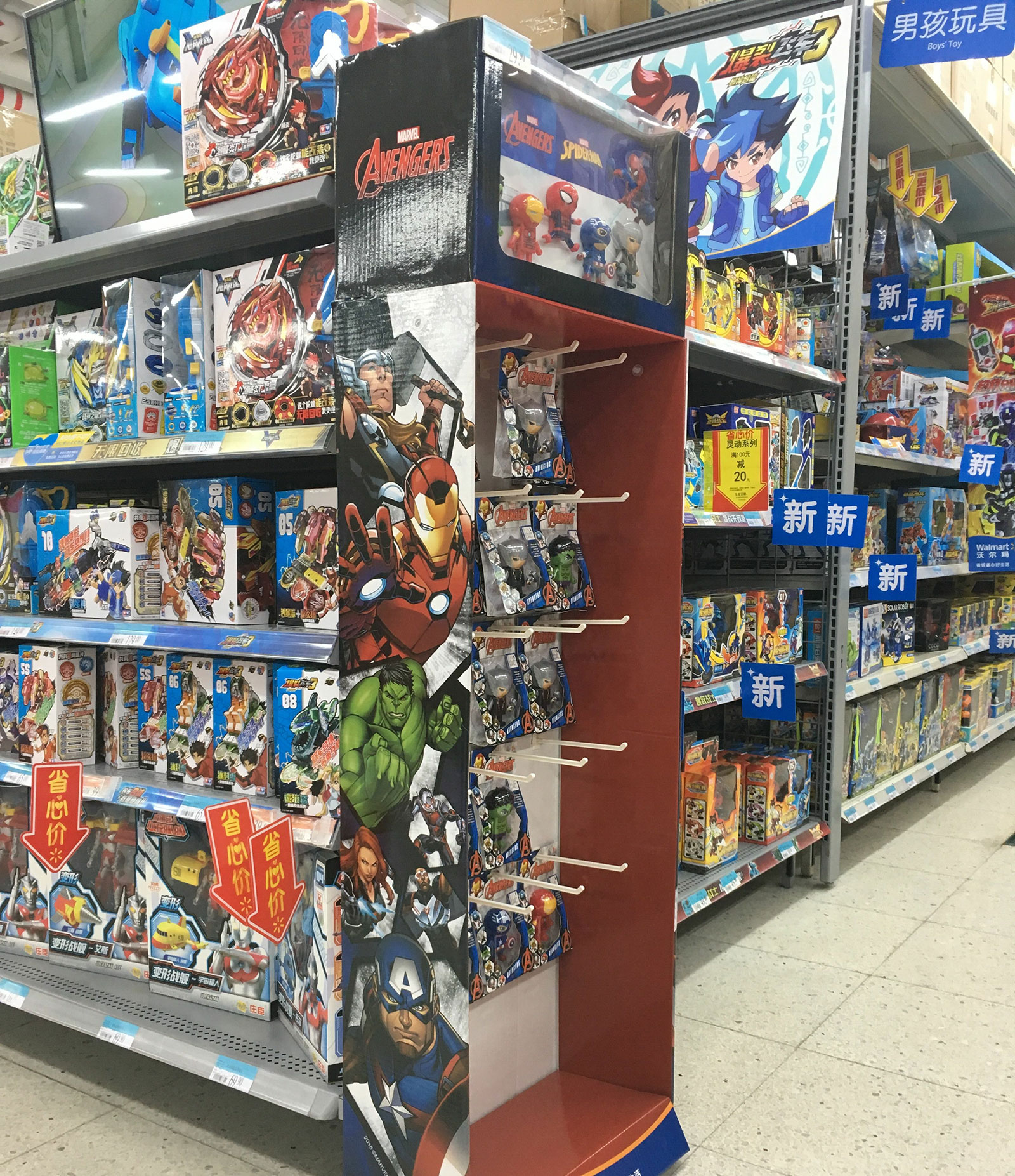
They come in several forms — from small countertop trays to tall floor-standing units — and can be printed with vibrant graphics, brand logos, and product information. The versatility of corrugated cardboard means it can be cut, folded, and structured into virtually any shape, making it uniquely suited for creative, brand-specific designs.
Types of Cardboard Toy Displays
Choosing the right display format depends on your product size, retail environment, and marketing goals. Here are the most common types:
-
Counter Display (CDU): Compact units placed on checkout counters or retail tables; ideal for small toys, collectibles, and impulse-buy items
-
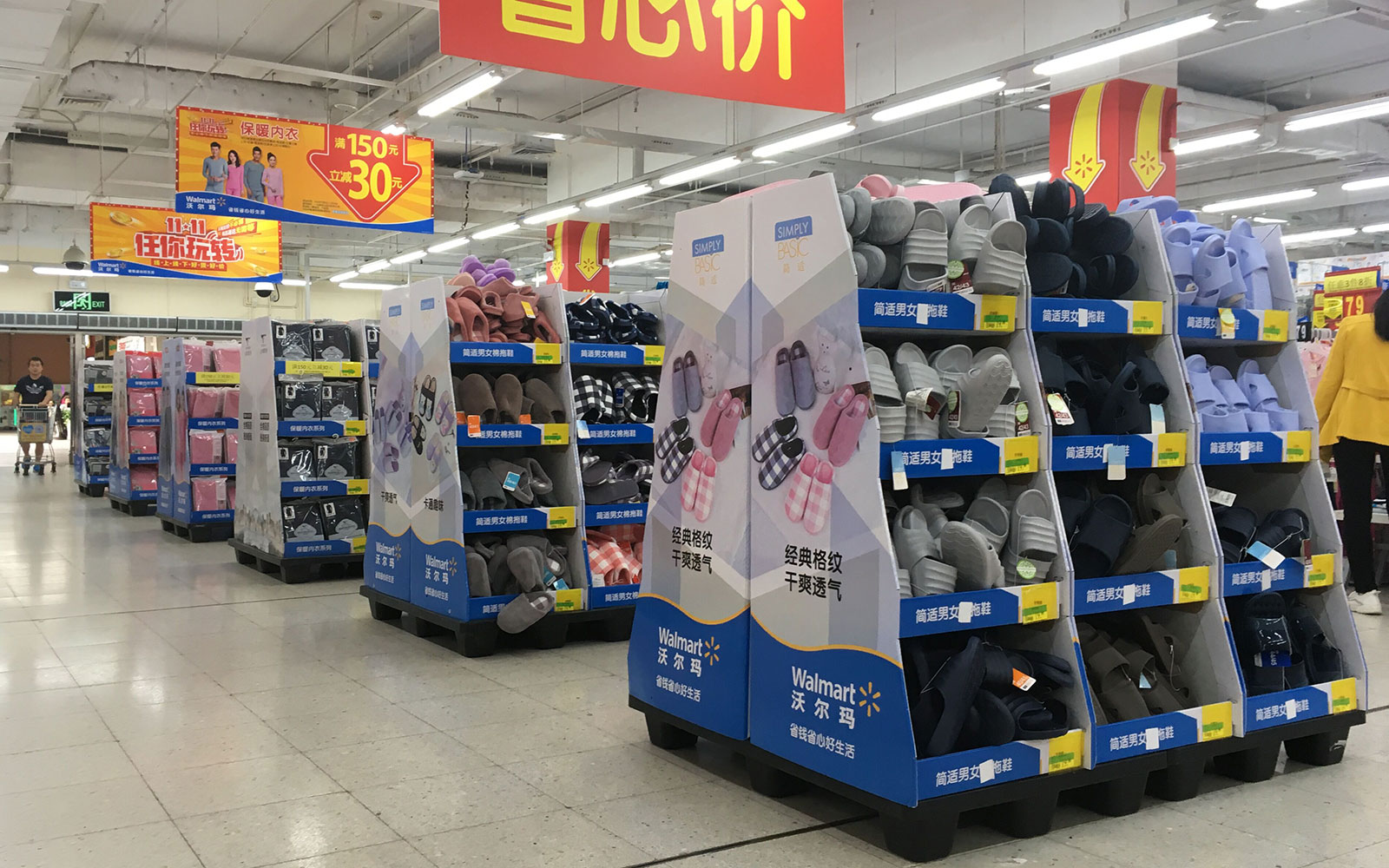
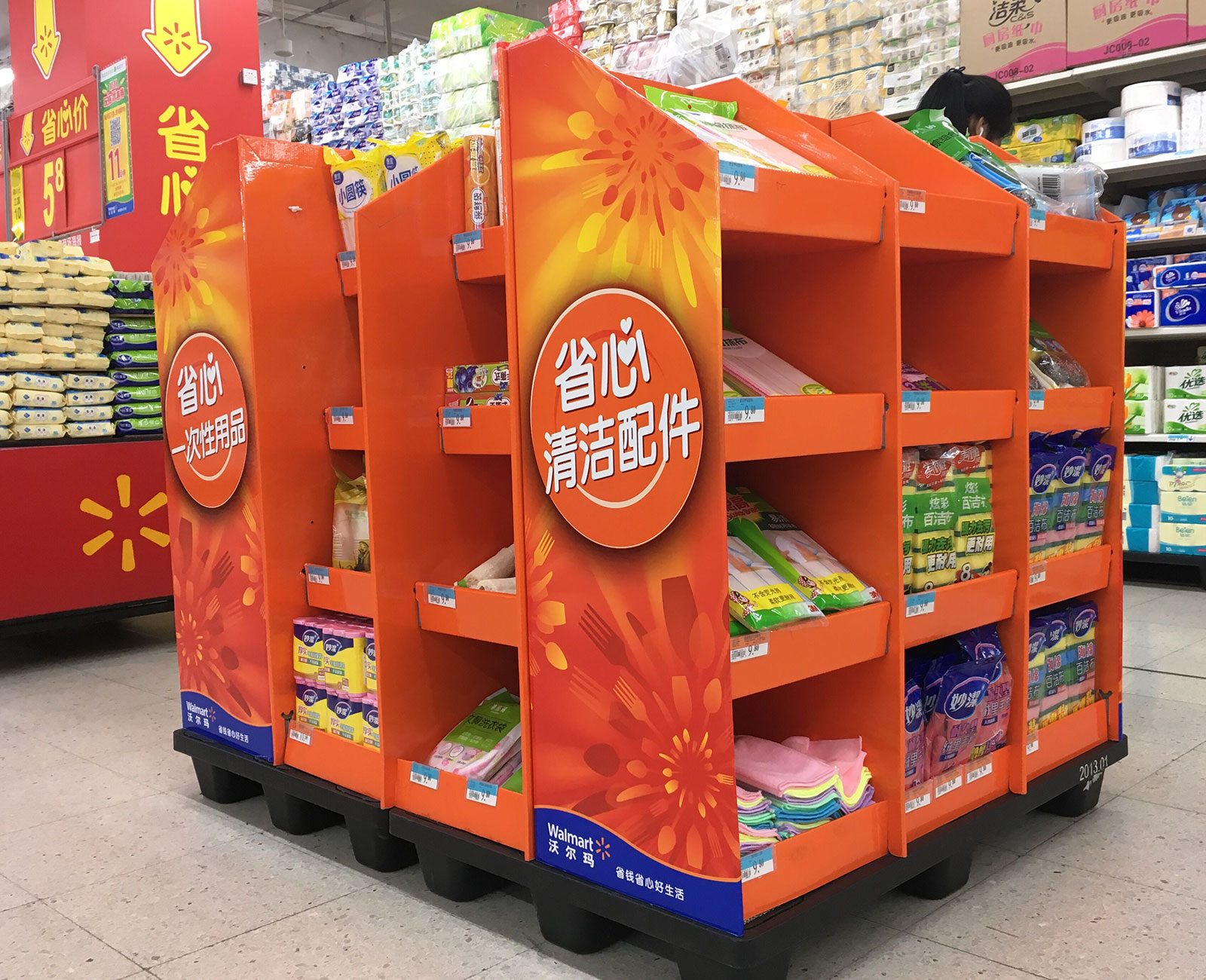
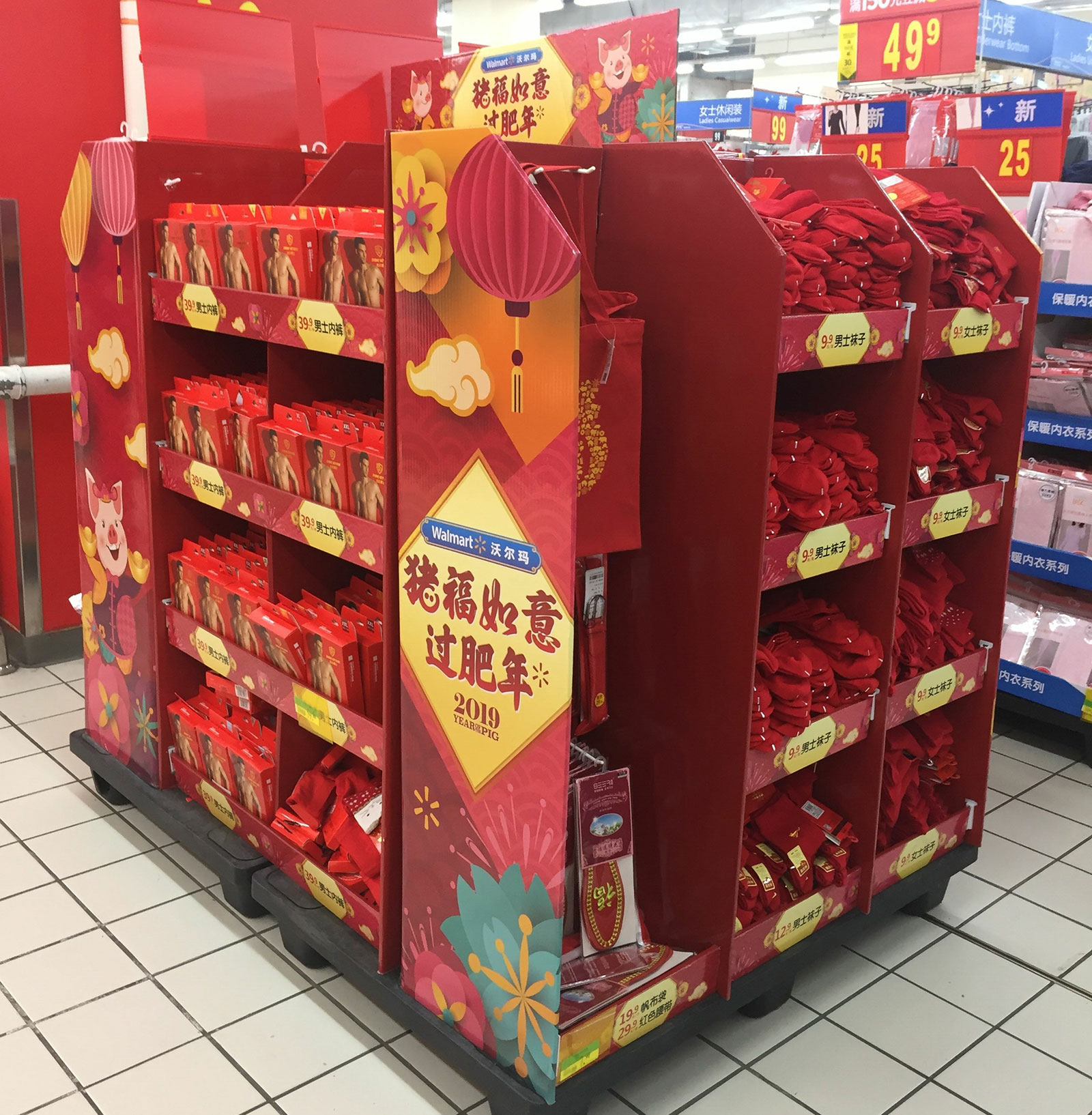
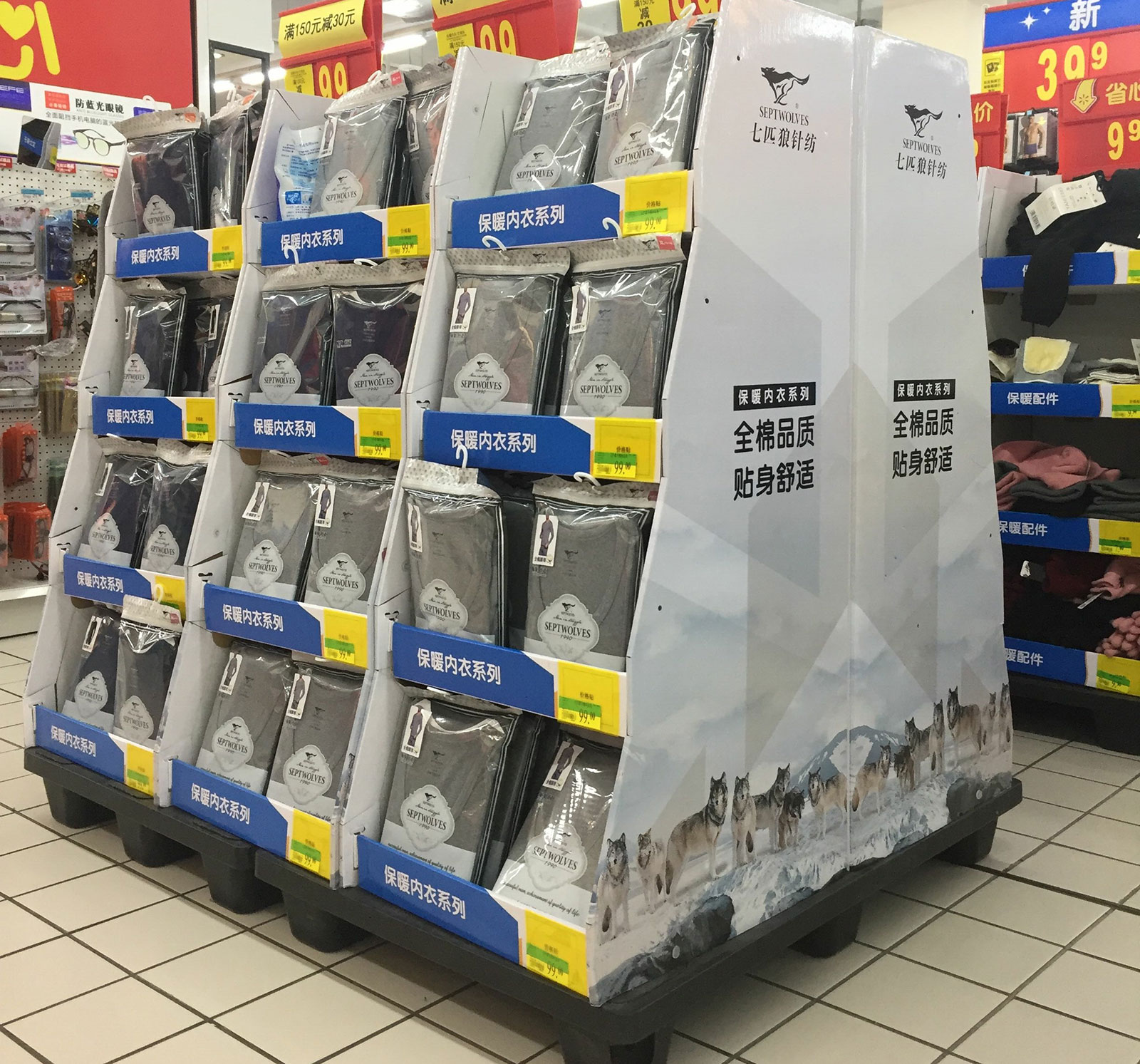
Floor Standing Display Unit (FSDU): Freestanding displays placed in aisles or high-traffic areas; best for large product ranges or hero SKUs
-
PDQ / Shipper Display: The product ships inside the display box, which doubles as the retail unit — minimizing setup time and labor
-
End Cap Display: Positioned at the end of retail aisles for maximum visibility, typically used for promotions or new launches
-
Wall-Mounted Display: A space-saving option for smaller retail environments, keeping floor space free while maintaining strong product visibility
Key Benefits of Cardboard Toy Displays
Increased Product Visibility
In a crowded toy aisle, cardboard displays elevate your product above the background noise. By positioning items at eye level — for both children and adults — they ensure your toys are seen before competitors'. Studies show that products placed at eye level consistently outsell those on lower or higher shelves.
Stronger Brand Awareness
Even when a shopper doesn't make a purchase, a well-branded display leaves an impression. Bold colors, character graphics, and clear branding on your display work like a mini billboard inside the store — building recall with every customer who walks past.
Higher Impulse Purchase Rates
Cardboard POP (point-of-purchase) displays are strategically placed where shoppers pause — near registers, at aisle ends, or beside complementary products. This positioning capitalizes on unplanned buying behavior. Research indicates that in-store shoppers spend 40% more than they planned, compared to just 25% for online shoppers.
Cost-Effective Marketing
Compared to permanent fixtures made from metal, wood, or acrylic, corrugated cardboard displays are significantly cheaper to manufacture, print, and ship. Their lightweight nature further reduces freight costs, making them ideal for brands managing tight marketing budgets.futuramo+1
Fast Production & Easy Deployment
Cardboard is one of the easiest materials to cut, print, and assemble. This means shorter lead times — critical when you need displays ready for a holiday season or a product launch with a fixed deadline. Retail staff can assemble most cardboard displays without tools in minutes.
Flexibility for Seasonal Campaigns
Unlike permanent fixtures, cardboard displays are designed to be temporary — replaced whenever campaigns change. This makes them perfect for Christmas, back-to-school, and other seasonal promotions where fresh visuals are essential to maintaining shopper engagement.
How Cardboard Toy Displays Drive More Revenue
The commercial impact of a well-placed cardboard toy display goes beyond aesthetics. Here's how they directly contribute to revenue growth:
-
Showcase new products effectively: First-time buyers need reassurance. A display that highlights product features, age ranges, and play value removes friction from the purchase decision.
-
Cross-sell related items: Grouping complementary toys together on a single display encourages shoppers to buy more than one item per visit.
-
Appeal to two audiences at once: Children respond to fun visuals and character graphics, while parents focus on practical information like safety certifications and price points. A smart display speaks to both.
-
Maximize high-traffic locations: Placing displays in store entrances, checkout queues, or seasonal event zones guarantees maximum exposure during peak shopping periods.
-
Position products at child eye level: Lowering display heights so children can physically interact with toys has proven to increase engagement and purchase conversion.
Expert Design Tips for Cardboard Toy Displays
As a manufacturer specializing in custom POP displays, the team at Kingwin Paper sees firsthand that structure alone is only half the battle — the creative execution is what converts lookers into buyers. Here are proven strategies from display professionals:
Plan Around Retail Calendars
Design your displays in advance of major retail seasons — Christmas, Easter, back-to-school. Incorporate trending characters, licensed IPs, or seasonal color schemes to stay relevant and timely.
Be Bold With Color and Shape
The toy aisle is already a riot of color. To stand out, you need contrast and creativity. Consider unconventional display shapes — a unit shaped like a rocket for a space toy range, or an arch structure mimicking a cartoon character. Unique shapes draw attention before a single toy is even noticed.
Build for Durability
Children will touch, pull, and lean on your display. Use double-wall corrugated cardboard for floor-standing units, reinforced bases, and rounded edges where possible. A display that collapses mid-campaign damages both the product and the brand.alibaba+1
Use High-Quality Print Finishes
Matte and gloss lamination, spot UV, and full-bleed printing all elevate the perceived quality of your display and, by extension, your product. Cheap printing on a cardboard display signals cheap product — even if the toy itself is premium.
Review Past Campaign Data
Before designing a new display, analyze what worked before. Which display positions drove the most sell-through? Which graphic styles got the most engagement? Let data guide your creative decisions.
Sustainability: Why Cardboard Is the Right Choice
Environmental responsibility is no longer a nice-to-have — it's a purchasing criterion for many retail buyers and end consumers alike. Cardboard toy displays offer compelling sustainability credentials:
-
Made from recycled and recyclable materials, reducing reliance on virgin raw materials
-
Biodegradable at end-of-life, unlike plastic or metal displays that contribute to landfill
-
Lower carbon footprint during transport due to lightweight construction
-
Compatible with FSC-certified board, which many major retailers now require from suppliers
At Kingwin Paper, all cardboard materials are sourced from FSC-certified suppliers, ensuring every display we produce meets internationally recognized forest stewardship standards. This makes it straightforward for toy brands to satisfy retailer sustainability requirements without additional sourcing overhead.
Which Toy Products Benefit Most
While virtually any toy can benefit from a dedicated display, certain product types see the strongest results:
-
Collectibles and blind bags — high impulse purchase potential, ideal for counter displays
-
Plush and soft toys — respond well to multi-tier floor displays with tiered height variations
-
Board games and card games — benefit from displays that allow consumers to read packaging and understand gameplay
-
Licensed and character toys — leverage recognizable IP graphics for immediate visual connection with children
-
New product launches — cardboard displays give new SKUs a dedicated, prominent platform during the critical launch window
Why Choose Kingwin Paper for Your Toy Displays
Kingwin Paper is a factory-direct Custom POP Displays & Packaging Manufacturer with end-to-end capability — from structural design and prototyping through to full-run production and global shipping. Here's what sets us apart:
-
FSC-certified materials — fully compliant with major retailer sustainability sourcing requirements
-
In-house structural design team — experienced in toy category displays across counter, floor-standing, PDQ, and end cap formats
-
Full-color printing — digital proofing before every production run, with matte/gloss lamination and spot UV options available
-
Flexible MOQs — suitable for new product testing as well as high-volume retail rollouts
-
Retail compliance expertise — knowledge of retailer dimension, weight, and assembly specifications across key markets
-
Factory-direct pricing — no middlemen, lower cost, faster turnaround
Whether you're a toy brand preparing for a major retail launch or an importer looking for a reliable display partner, Kingwin Paper delivers displays that perform on the shelf and hold up throughout the campaign.