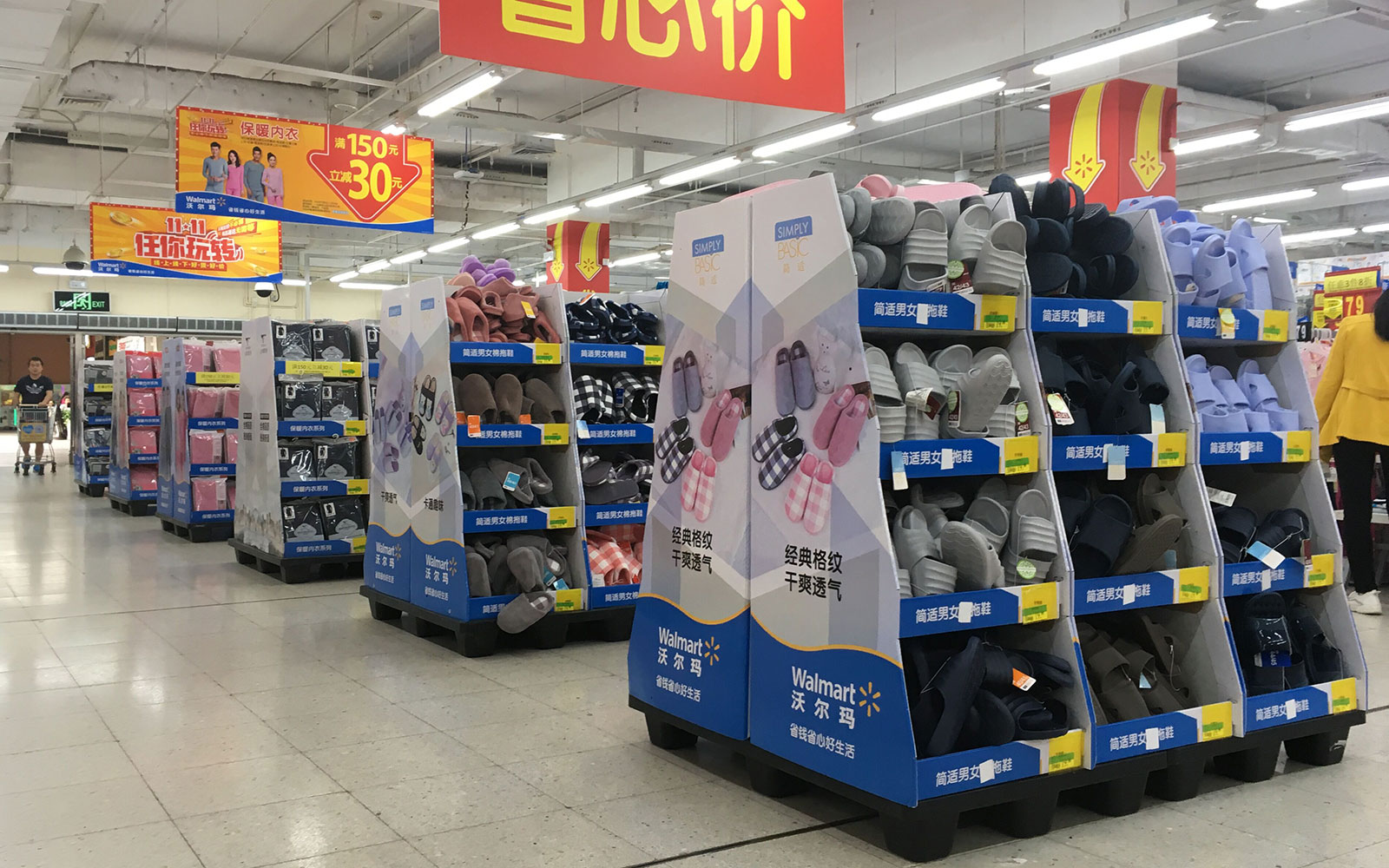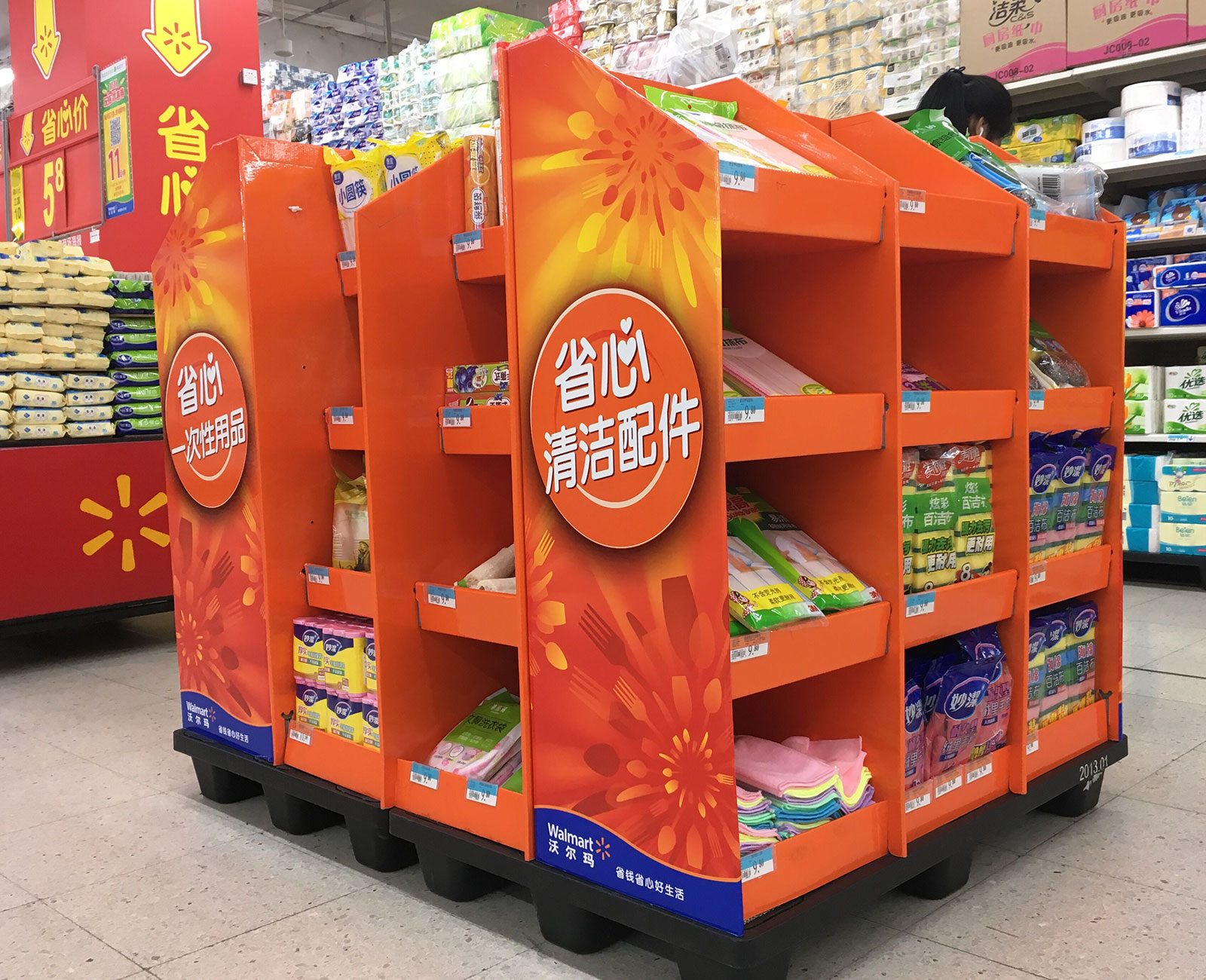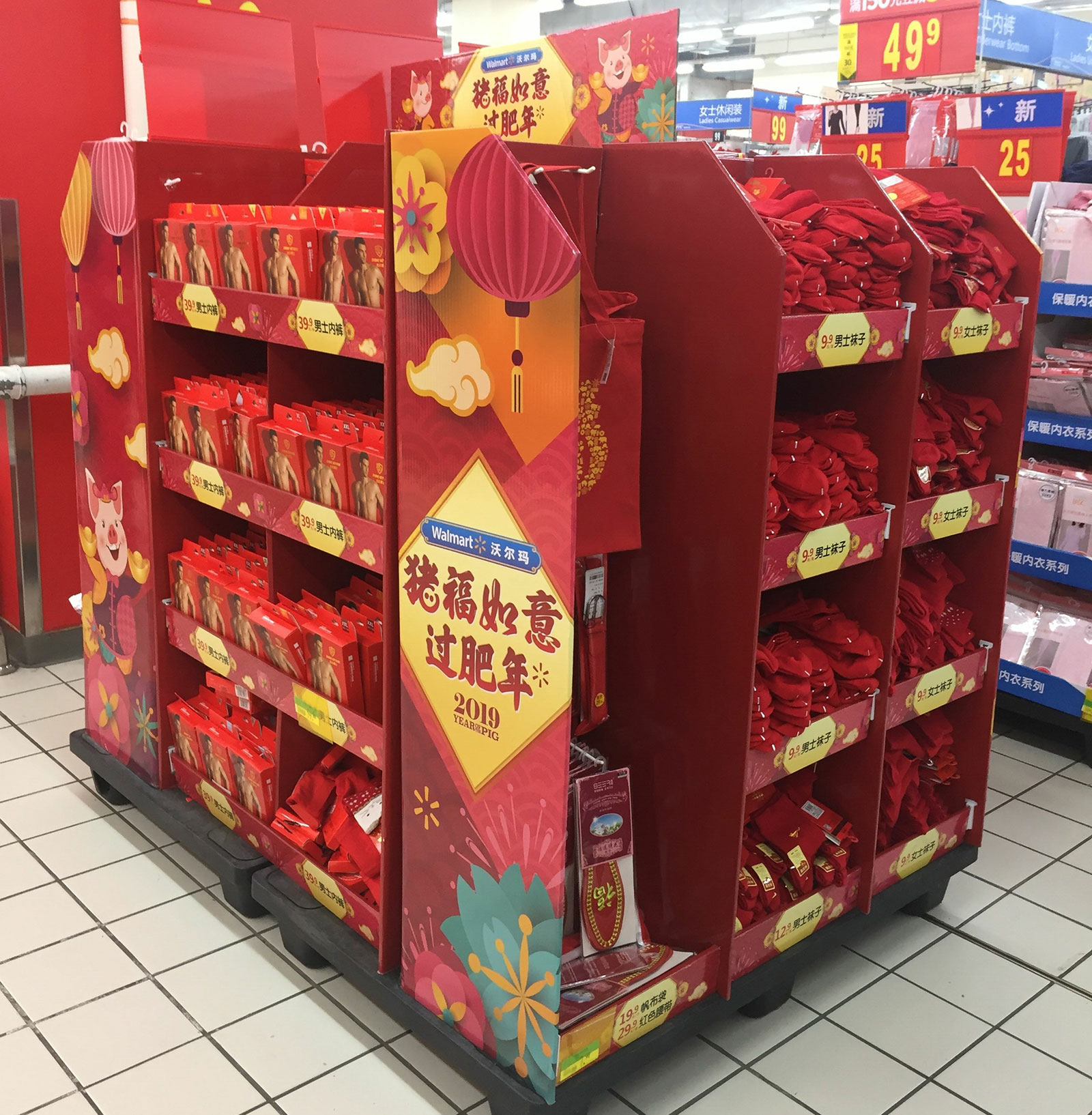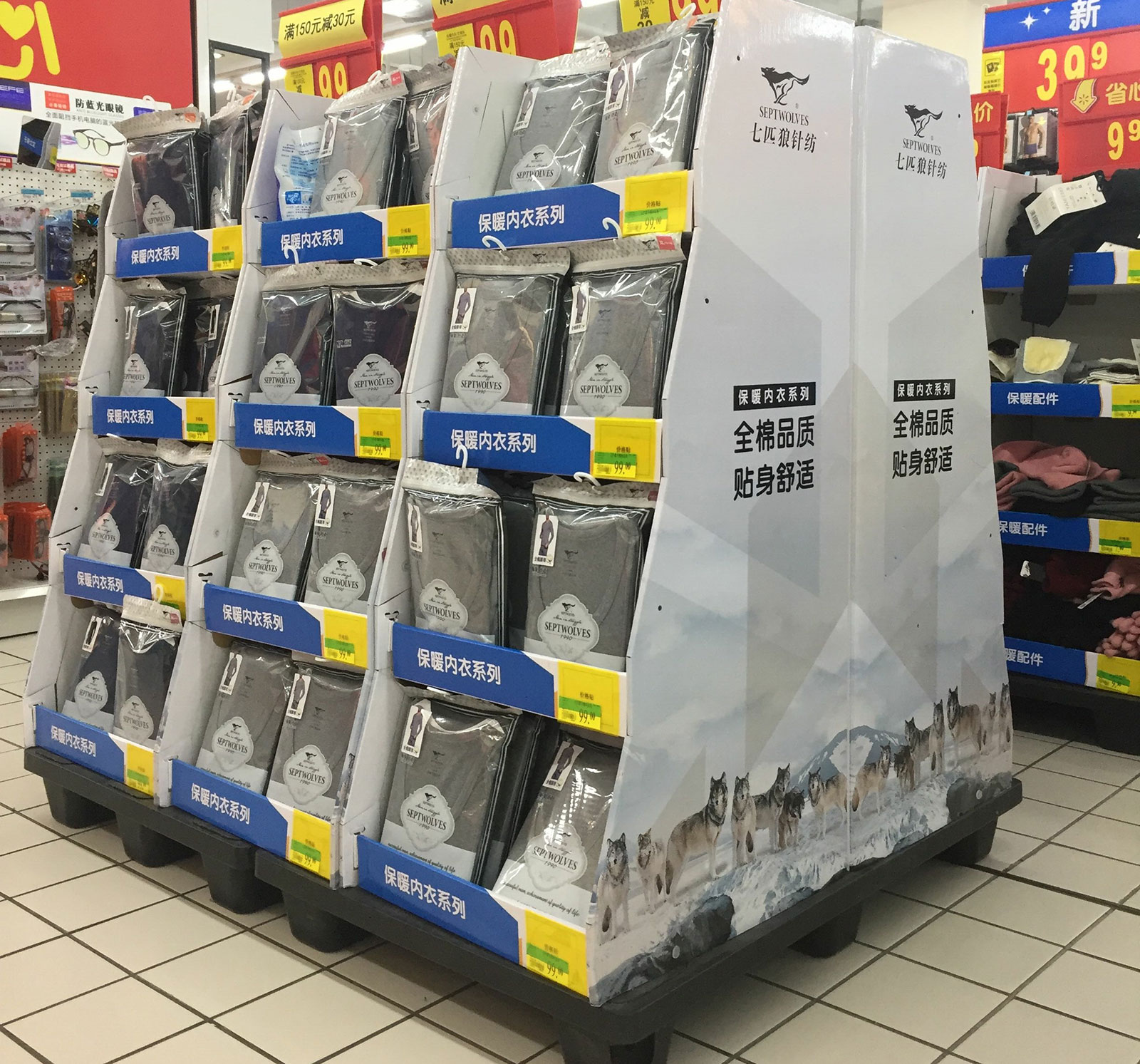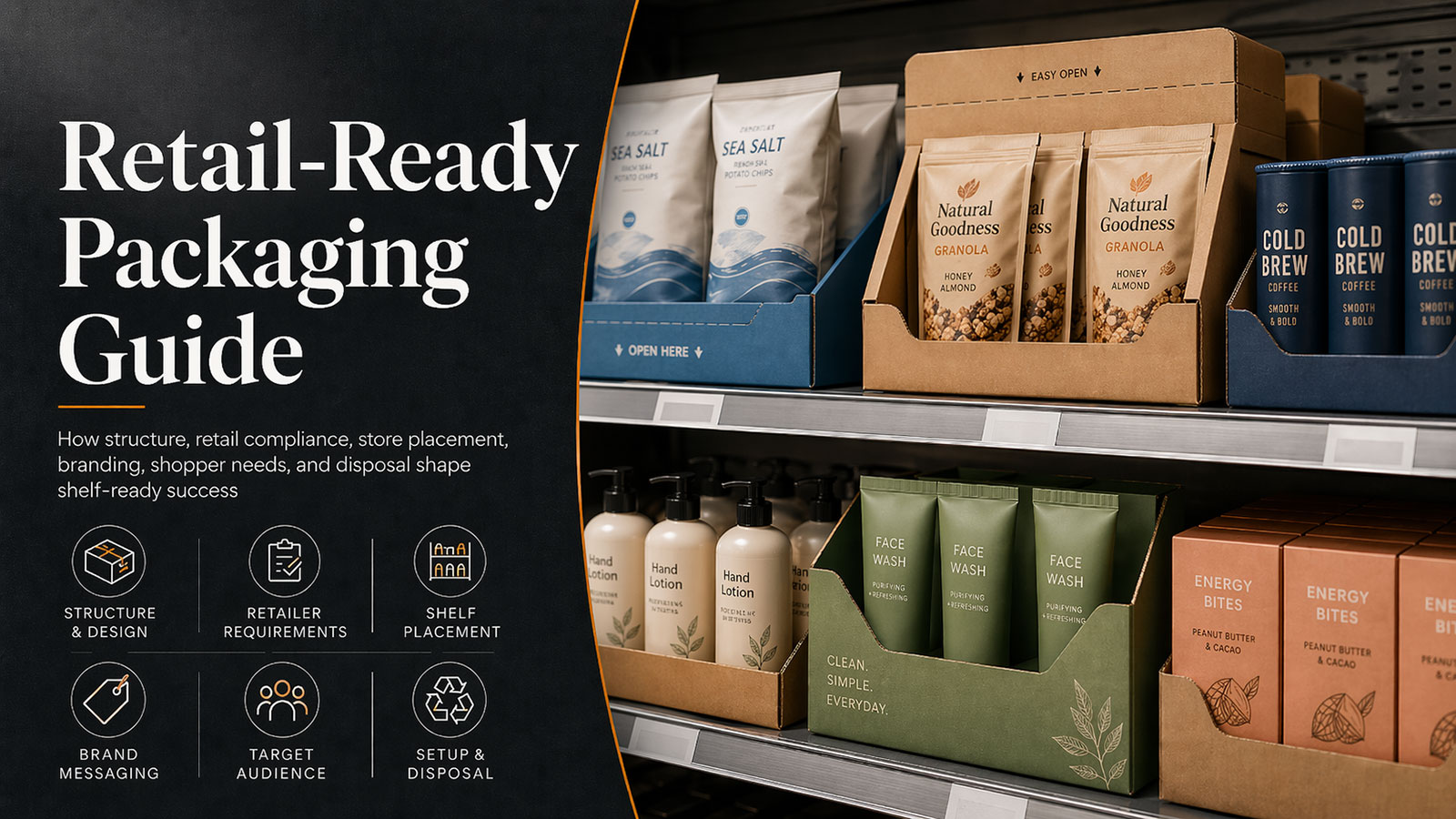
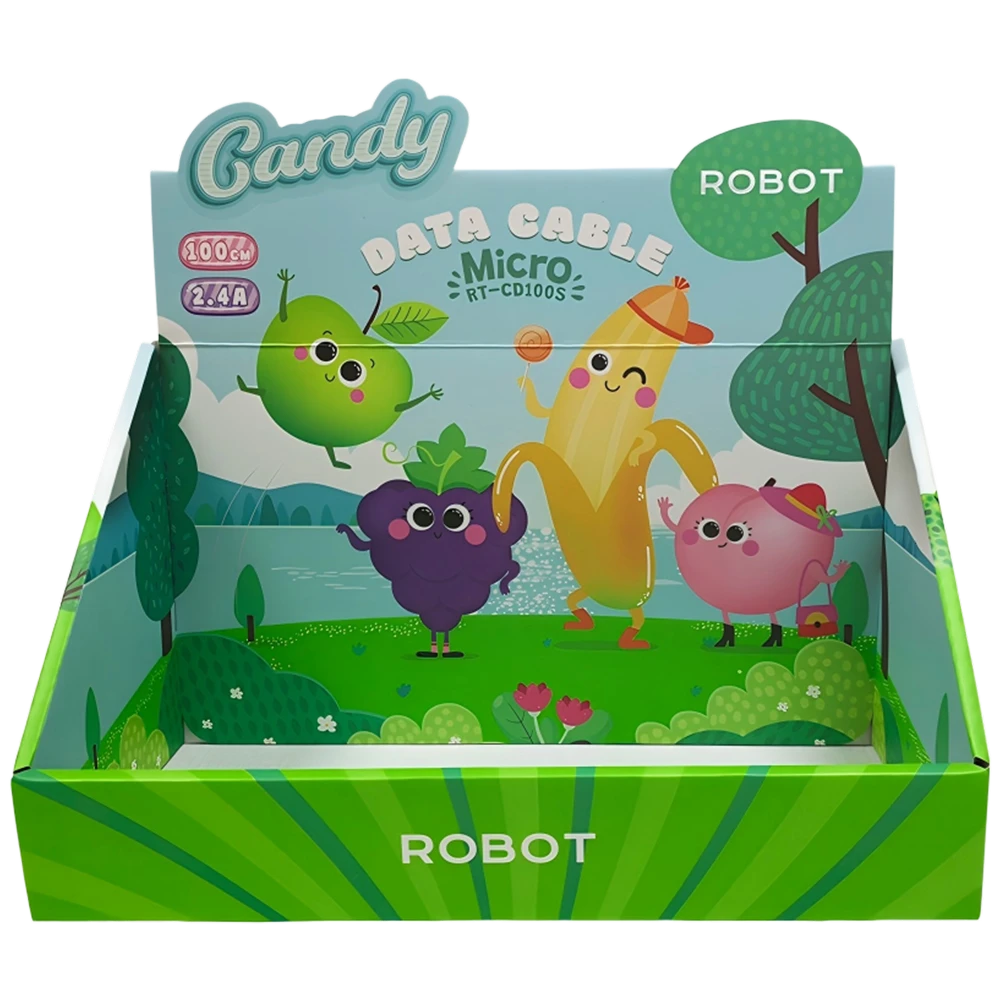

The pet industry has never been more competitive. With tens of millions of households owning at least one pet, retail shelves are flooded with brands all vying for the same shopper's attention. In this environment, how your products are presented at the point of sale can be just as important as the products themselves. Corrugated cardboard pet store displays have emerged as the go-to solution for brands and retailers looking to maximize visual impact without overspending — combining structural durability, full-color branding, fast production, and genuine eco-credentials in one versatile package.
- What Are Corrugated Cardboard Pet Store Displays?
- Types of Corrugated Cardboard Pet Displays
- Key Advantages Over Other Materials
- Eco-Friendly Advantages — A Key Selling Point
- Design Best Practices for Pet Displays
- Popular Pet Products Suited for Corrugated Displays
- Where to Place Them In-Store
- Customization & Production Process
- How to Choose the Right Manufacturer
- Conclusion
What Are Corrugated Cardboard Pet Store Displays?
Corrugated cardboard displays are retail merchandising structures built from multi-layer fluted paperboard. Unlike plain cardboard, corrugated board consists of a wavy inner "flute" sandwiched between two flat liner sheets, giving it a strength-to-weight ratio that far exceeds what its lightweight appearance suggests.
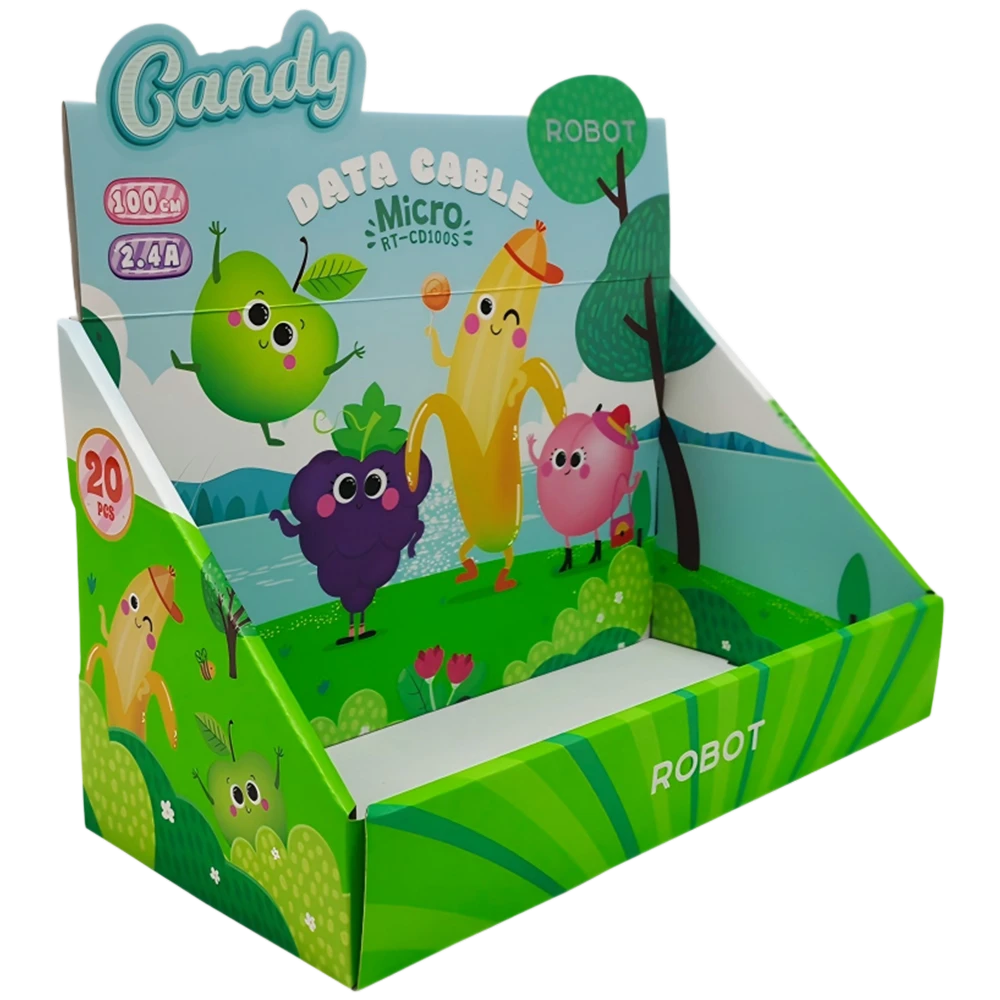
Corrugated board comes in several grades depending on how many layers are used. Single-wall board (one flute layer) is the most common for countertop and light floor displays. Double-wall board (two flute layers) is preferred for floor-standing units that carry heavier pet food bags or bulk products. Triple-wall is reserved for heavy-duty pallet displays in club stores or warehouse environments. Choosing the right board grade is the first engineering decision in any successful display project.
Surface finishes further expand the design possibilities. Offset CMYK printing delivers photographic-quality imagery — think a golden retriever mid-leap or a cat perched gracefully beside a bag of kibble. Gloss or matte lamination adds both visual premium and minor moisture resistance, which is important in pet environments where water bowls and wet paws are a reality. Spot UV varnish can highlight logos or product names for extra shelf pop.
It's also worth distinguishing between temporary POP displays and semi-permanent corrugated fixtures. Temporary displays are designed for campaigns of 4–12 weeks — a new product launch, a seasonal promotion, or a trade show event. Semi-permanent versions use heavier board grades and reinforced joints to serve for 3–6 months or longer in high-traffic environments.
Types of Corrugated Cardboard Pet Displays
Not all pet products need the same type of display. Here is a breakdown of the most widely used corrugated formats and their ideal applications in pet retail:
| Display Type | Typical Application | Key Feature |
|---|---|---|
| Floor / FSDU Display | Dog food bags, cat litter, bulk treats | Multi-tier, maximum visibility |
| PDQ / Shelf-Ready Tray | Small treats, toys, accessories | Ships as packaging, opens as display |
| Countertop Display | Checkout impulse items, dental chews | Compact footprint |
| Power Wing / Sidekick | Leashes, chews, small packaged toys | Clips onto gondola aisle ends |
| Pallet Display | Club store large bags of pet food | High volume, heavy-duty board |
| Dump Bin | Clearance toys, rope toys, balls | Encourages bulk browsing |
| Pegboard Display | Packaged treats, collars, retractable leads | Hook-based hanging |
Each format occupies a different footprint in the store and serves a different moment in the shopping journey. A well-planned brand presence might use an FSDU near the store entrance for brand awareness, a power wing mid-aisle for accessory upsells, and a PDQ tray at the checkout to capture last-minute add-on purchases.
Key Advantages Over Other Materials
When brands compare corrugated cardboard against metal wire, acrylic, wood, or injection-molded plastic, corrugated consistently wins on several dimensions that matter most to brands launching new products or running time-limited campaigns.
Cost efficiency is the most obvious advantage. A custom corrugated floor display typically costs a fraction of an equivalent metal fixture, making it viable even for smaller brands or regional product launches. Because the display is flat-packed for shipping, freight costs are dramatically reduced — brands save on both outbound logistics and any returns or disposal at end-of-campaign.
Speed to market is equally compelling. A structural prototype can often be produced in 2–3 business days. Full production runs of 500–1,000 units typically complete within 10–20 days, meaning corrugated is one of the few display materials that can respond to a sudden promotional opportunity or retailer window without missing the shelf date.
Customization flexibility is where corrugated truly shines. The entire surface of a corrugated display is a printable canvas. Unlike metal fixtures that require secondary signage attachments, corrugated integrates branding, product information, feeding guides, lifestyle photography, and calls to action directly into the structural panels. Every square inch works to communicate the brand story.
Tool-free assembly also matters at the store level. Retail staff are busy. A display that assembles in under five minutes without tools, nuts, or bolts is far more likely to be set up correctly and promptly than one that requires hardware. Most corrugated floor displays lock together via die-cut tabs and slots, arriving flat-packed and ready to build in minutes.
Finally, replaceability gives brands ongoing flexibility. When a seasonal campaign ends or a product line refreshes, swapping in a new corrugated display requires no investment in new fixtures — just a new print run on updated graphics.
Eco-Friendly Advantages — A Key Selling Point
Sustainability is no longer a niche concern in retail — it has become a baseline expectation among consumers, especially in the premium and natural pet food segments. Corrugated cardboard is one of the most recyclable materials in the world, with recycling rates among the highest of any packaging or display material.
At end-of-life, corrugated displays can be broken down flat and placed directly in standard cardboard recycling streams. No special disposal process, no landfill burden, no hazardous materials. For brands that hold FSC (Forest Stewardship Council) certification, the entire display can be produced using verified sustainably sourced wood fiber, which provides a legitimate and auditable sustainability claim.
This eco-alignment is particularly powerful in the pet product space. Brands selling organic pet food, natural treats, biodegradable waste bags, or plant-based grooming products carry a strong sustainability narrative — and the display itself should reinforce, not contradict, that message. A corrugated display with recycled-content certification printed directly on its panel communicates authenticity at the shelf in a way that a plastic fixture simply cannot.
Design Best Practices for Pet Displays
Great corrugated display design starts with structure, not graphics. Before a single color is chosen, the structural engineer needs to confirm that the chosen board grade can safely hold the maximum intended product weight across the shelf span, accounting for real-world store conditions including humidity and extended use.
Once structure is confirmed, visual hierarchy becomes the guiding principle. The header card — the topmost branded panel — is the first element a shopper sees from across the aisle. It needs a bold brand logo, a single compelling lifestyle image (a happy dog, a playful cat), and a clear product message in large type. Shoppers make display-approach decisions in under three seconds, so the header must do its job instantly.
Color psychology plays a meaningful role in pet retail. Natural and organic pet food brands perform better with earthy, warm tones — kraft browns, forest greens, warm creams — that visually signal purity and quality. Toy brands and accessories targeting younger pet owners or gift shoppers benefit from bright, energetic primaries that convey fun and play. Grooming and wellness products often lean toward clean whites, soft blues, and lavender tones associated with care and trust.
Product grouping strategy also affects display performance. Organizing shelves by pet type (all dog products together, all cat products together) reduces cognitive load for shoppers and speeds up product selection. Alternatively, organizing by usage occasion (meal time, playtime, grooming time) can encourage cross-category discovery and increase average basket size.
Interactive digital elements are increasingly common on corrugated displays. A QR code printed on a side panel can link shoppers directly to a feeding guide video, a loyalty program signup, or an extended product catalog. This bridges the in-store physical experience with the brand's digital ecosystem at virtually zero added cost.
Popular Pet Products Suited for Corrugated Displays
Corrugated cardboard displays are versatile enough to support nearly every category within a pet store. Some product types are particularly well-matched to the material's strengths:
-
Dry pet food and treat pouches — the bread and butter of corrugated floor displays; bags and pouches stack cleanly on multi-tier shelves, and the display's large header card communicates brand story at a glance
-
Chew treats and dental products — PDQ trays and countertop units make these natural impulse purchases at checkout
-
Toys — plush, rope, rubber, and ball toys — dump bins and open-shelf FSDUs work perfectly, inviting tactile interaction and browsing behavior
-
Grooming accessories — shampoos, brushes, nail clippers display neatly on countertop units or power wings
-
Collars, leashes, and harnesses — pegboard-style corrugated panels with die-cut hook slots keep these organized and browsable
-
Cat scratchers and corrugated cat products — a natural product-material synergy; corrugated scratchers displayed within a corrugated unit reinforces the product's tactile appeal and material honesty
-
Niche pet categories — reptile food, bird seed, small animal bedding all benefit from dedicated corrugated displays that signal to niche shoppers that the store takes their pet type seriously
Where to Place Them In-Store
Placement strategy determines whether a beautifully designed display reaches its full sales potential. The same display in the wrong location can underperform significantly compared to an optimal placement.
The entrance zone is prime real estate for brand-building FSDUs. Shoppers entering a pet store are in exploratory mode — they haven't locked into a category yet. A striking floor display near the entrance with a new product launch or a seasonal promotion captures attention before any competing brand does.
Aisle endcaps are the highest-traffic positions in any retail store. Power wings and sidekick displays mounted here generate exposure from both directions of aisle traffic. Accessory brands — leashes, toys, training products — frequently use this placement to intercept dog and cat food shoppers who might not have planned an accessories purchase.
The checkout counter is the last opportunity to add revenue before the shopper leaves. PDQ trays loaded with dental chews, travel treat packs, flea collars, or small toys perform exceptionally well here because the price point is low, the need is relatable, and the shopper has nothing else to do but browse while waiting.
When planning in-store placements, it is important to understand each retailer's specific compliance requirements. Major chains like Petco and PetSmart have strict guidelines governing display dimensions, weight limits, and floor placement zones. Working with a manufacturer experienced in retailer-compliant design from the start saves significant time and cost compared to reworking a display after the fact.
Customization & Production Process
Getting from concept to retail-ready corrugated display is a straightforward process when you work with an experienced manufacturer. Here is the typical workflow:
-
Define your goals — What is the display for? A new product launch, a seasonal campaign, a trade show, or permanent in-store placement? What is the target retailer, and what are their space and weight requirements?
-
Share product specifications — Provide product dimensions, weights, and the number of SKUs or facings required per shelf. A good manufacturer will use this to produce a structural dieline and a 3D rendered mockup for review.
-
Approve the structural and graphic design — Review the 3D render and PDF proof carefully. Confirm shelf depths, header card dimensions, and that all branding elements are accurate and on-brand.
-
Physical sample production — A physical prototype is produced in 2–7 days. This is the critical step: assemble it, load it with actual products, and stress-test it before signing off on mass production.
-
Mass production and flat-pack shipping — Once the sample is approved, full production typically takes 10–20 days. Displays are flat-packed to minimize shipping volume and cost, and include an assembly instruction sheet.
Minimum order quantities for custom corrugated displays typically start at 500–1,000 units for basic formats and may be lower for simpler PDQ or countertop designs. Brands entering a new retailer for the first time sometimes negotiate a small pilot run before committing to a larger order.
How to Choose the Right Manufacturer
The quality of a corrugated display depends heavily on the manufacturer behind it. Not all corrugated suppliers have the same capabilities, and choosing the wrong partner can result in displays that fail structurally in-store, miss retailer compliance, or look poor compared to the brand's packaging design.
Look for manufacturers with in-house structural engineering capabilities. The dieline — the technical cutting and folding pattern — must be engineered correctly from the start, or the assembled display will be weak at joints, uneven on shelves, or impossible to assemble quickly in a retail environment.
Printing quality matters as much as structure. A manufacturer that owns its offset or digital printing lines (rather than outsourcing to a third-party printer) will deliver tighter color consistency, faster turnaround, and better print-to-structure alignment.
Retailer compliance experience is a non-negotiable for brands targeting major chains. Experienced manufacturers maintain up-to-date knowledge of POP display specifications for Petco, PetSmart, Chewy's retail operations, Target's pet section, and international equivalents.
Finally, factory-direct pricing significantly impacts the economics, especially for brands managing multiple product lines or seasonal display programs. Working directly with a factory rather than through a trading company eliminates intermediary markups of 15–30%, and creates a direct line of communication for engineering queries, sample revisions, and production updates.
Conclusion
In the crowded world of pet retail, the shelf is the battlefield. Corrugated cardboard pet store displays give brands of all sizes the ability to compete visually at the point of sale — without the capital investment, long lead times, or environmental burden of metal and plastic fixtures. They are fast to produce, economical to ship, endlessly customizable in print, and fully recyclable at end of life. Whether you are launching a new treat brand into independent pet shops or rolling out a national campaign across a major chain, corrugated displays offer the right combination of performance and practicality.
Choosing the right manufacturing partner — one with structural expertise, full-color print capabilities, and retailer compliance knowledge — is the step that separates a display that drives real sales from one that simply takes up floor space.