
- Why Cardboard Displays Matter in Modern Retail
- What a Cardboard Display Manufacturer Actually Does
- Core Advantages of Custom Cardboard Displays
- Structural Design and Production Process
- Where POS Cardboard Displays Work Best
- How to Choose the Right Cardboard Display Manufacturer
- Why Kingwin Is a Trusted Cardboard Display Manufacturer
Why Cardboard Displays Matter in Modern Retail
In modern retail, brands need display solutions that are cost-effective, visually engaging, easy to ship, and aligned with sustainability goals. Cardboard displays have become a practical answer because they combine lightweight construction, flexible customization, and strong promotional impact in one format.
Compared with metal or wooden fixtures, cardboard displays are easier to transport, faster to produce, and more adaptable for short-term campaigns. For supermarkets, convenience stores, exhibitions, and seasonal promotions, they offer a smart balance between marketing performance and operational efficiency.
What a Cardboard Display Manufacturer Actually Does
A professional cardboard display manufacturer does much more than print graphics on corrugated board. The real work begins with understanding product dimensions, weight requirements, retail environment, branding goals, and shipping conditions, then converting those requirements into a functional display structure.
This process usually includes structural engineering, graphic integration, sample testing, mass production, and flat-pack delivery planning. For brands running promotional programs, the manufacturer is not just a supplier but a technical partner that helps ensure the display is attractive, stable, and practical for real-world use.
Core Advantages of Custom Cardboard Displays
One of the main reasons brands choose custom cardboard displays is sustainability. Most are made from recyclable corrugated cardboard or honeycomb paperboard, which supports environmentally responsible merchandising and helps companies align with growing market expectations around greener packaging and display materials.
Another major advantage is cost control. Compared with permanent fixtures made from metal or wood, cardboard displays generally require lower material investment, simpler processing, and reduced logistics costs, which makes them especially suitable for promotional retail programs and product launches.
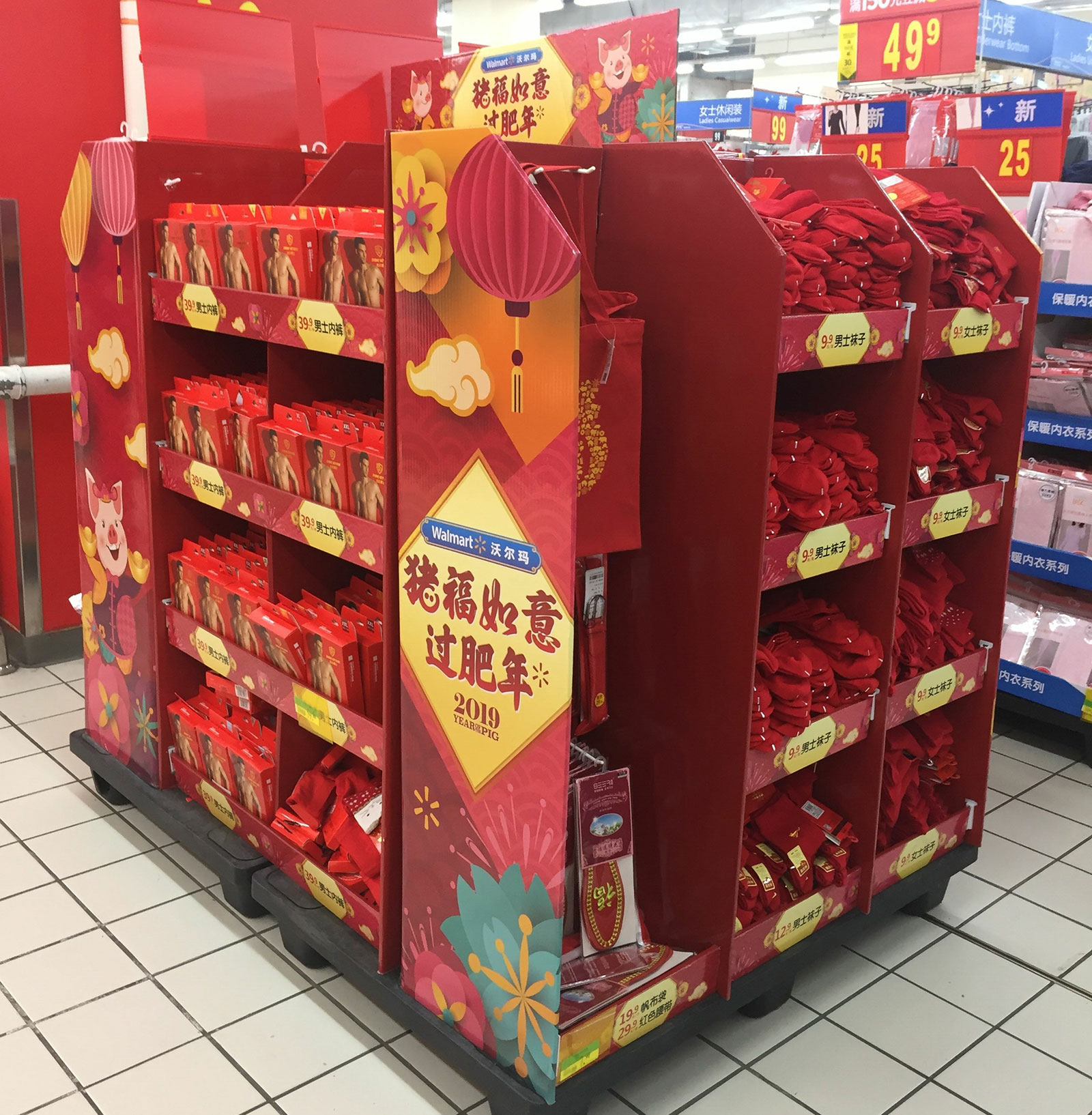
Cardboard displays also perform well as branding tools. With offset printing, UV printing, lamination, hot stamping, and other finishing options, brands can present logos, campaign graphics, product messages, and QR codes directly on the display surface, turning the unit itself into a point-of-sale marketing asset.
Structural Design and Production Process
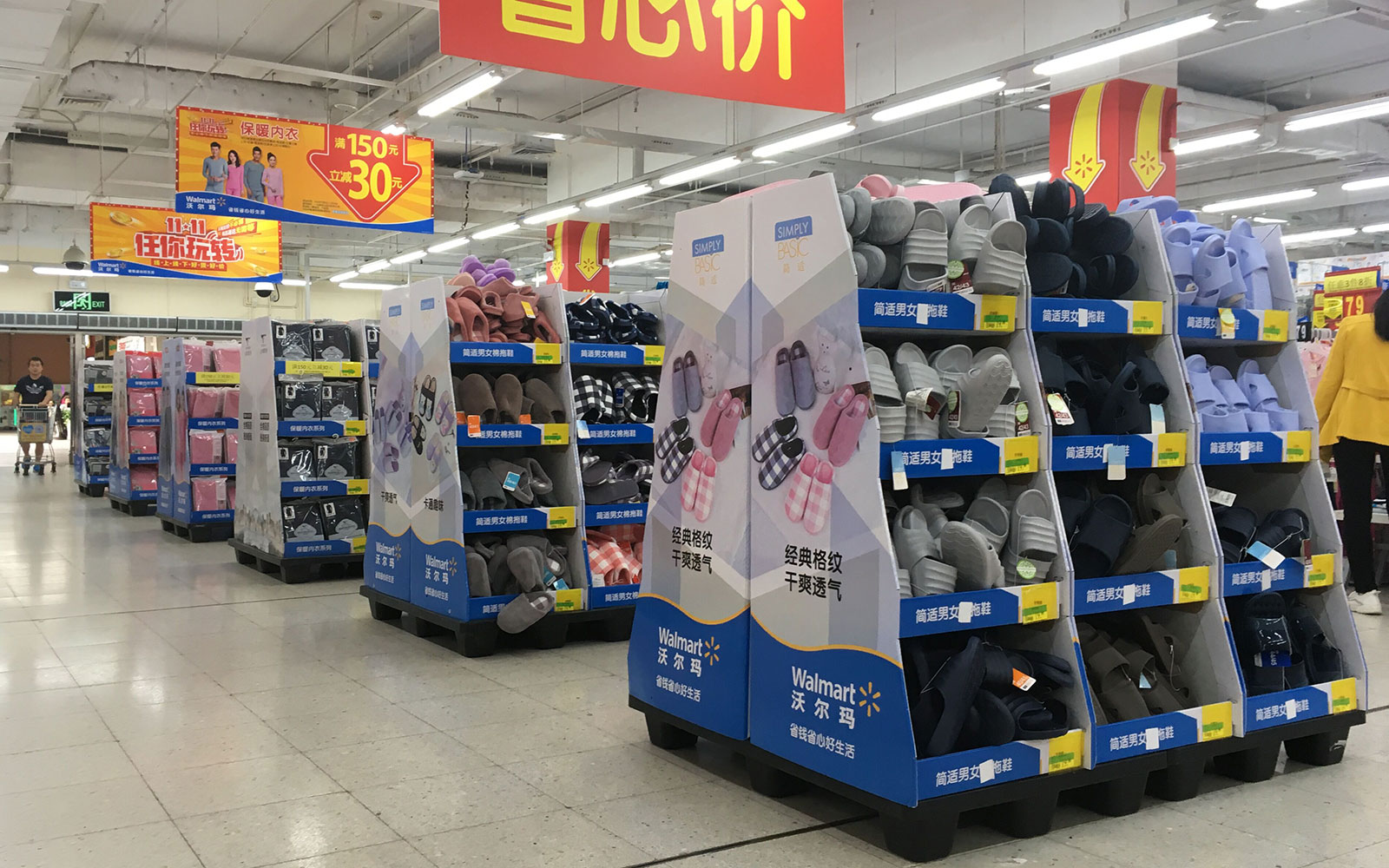
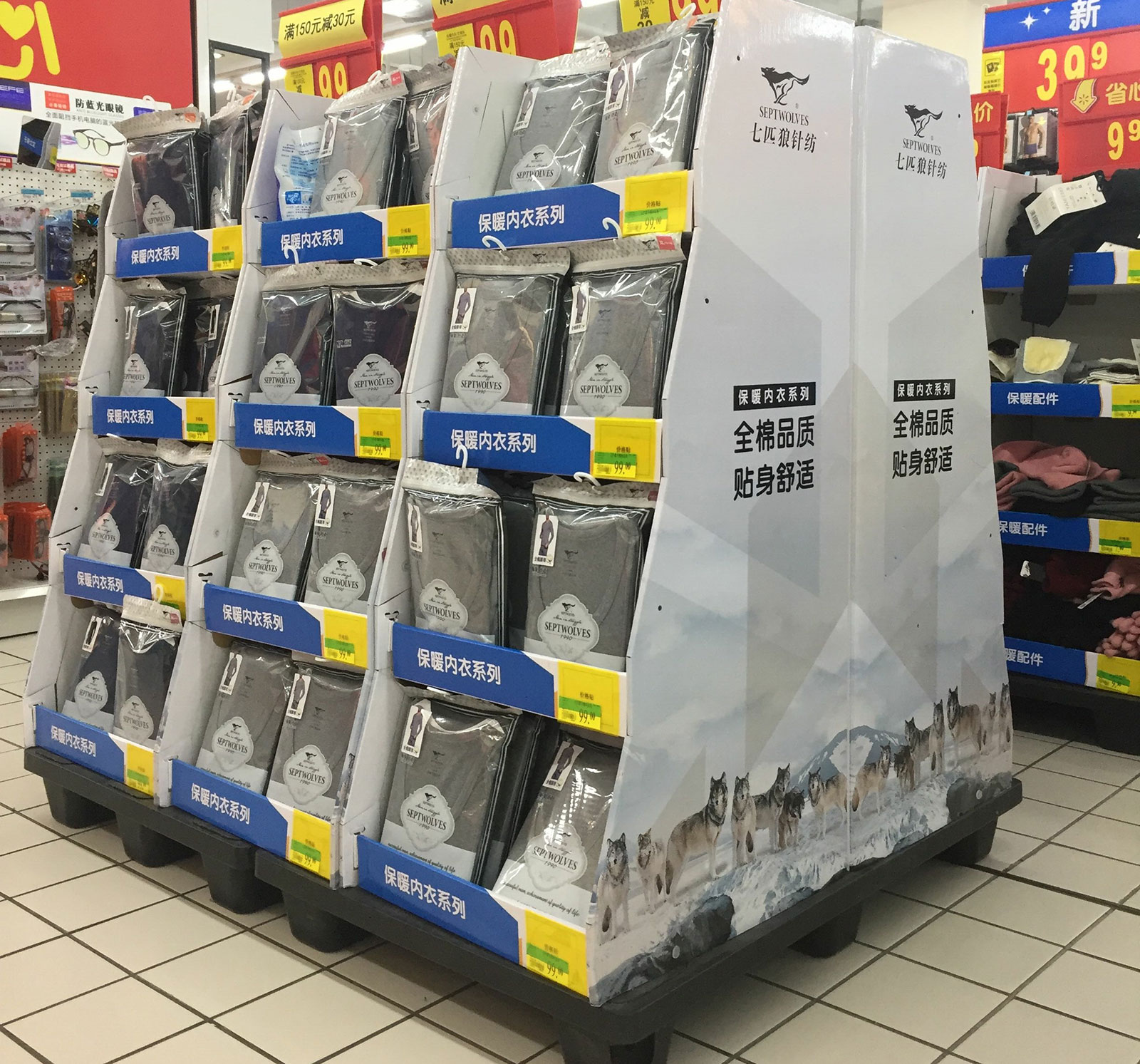
A high-quality cardboard display stand depends on strong structural design. Manufacturers typically use corrugated board grades, reinforced inserts, interlocking components, multilayer construction, or honeycomb structures to improve stability and support different product weights.
The production workflow usually starts with project consultation and structural design, followed by artwork placement on the dieline, prototype sampling, load testing, printing, die-cutting, finishing, packing, and delivery. This step-by-step approach helps reduce errors before mass production and ensures the final display works well in retail environments.
Speed is another advantage. For many promotional projects, cardboard displays can move from concept to sample and then to production in a relatively short lead time, which is valuable for seasonal campaigns, event marketing, and urgent store rollouts.
Where POS Cardboard Displays Work Best
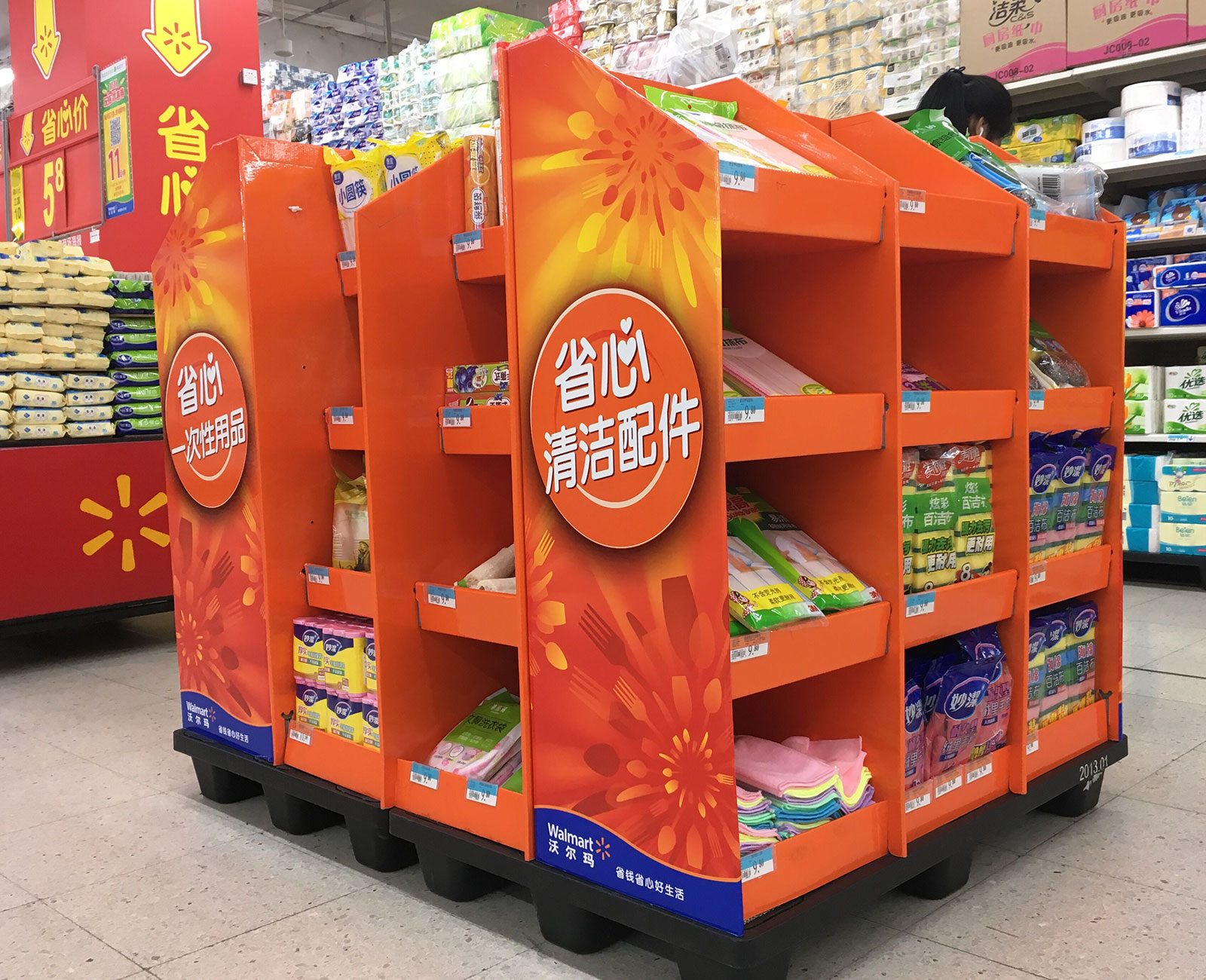
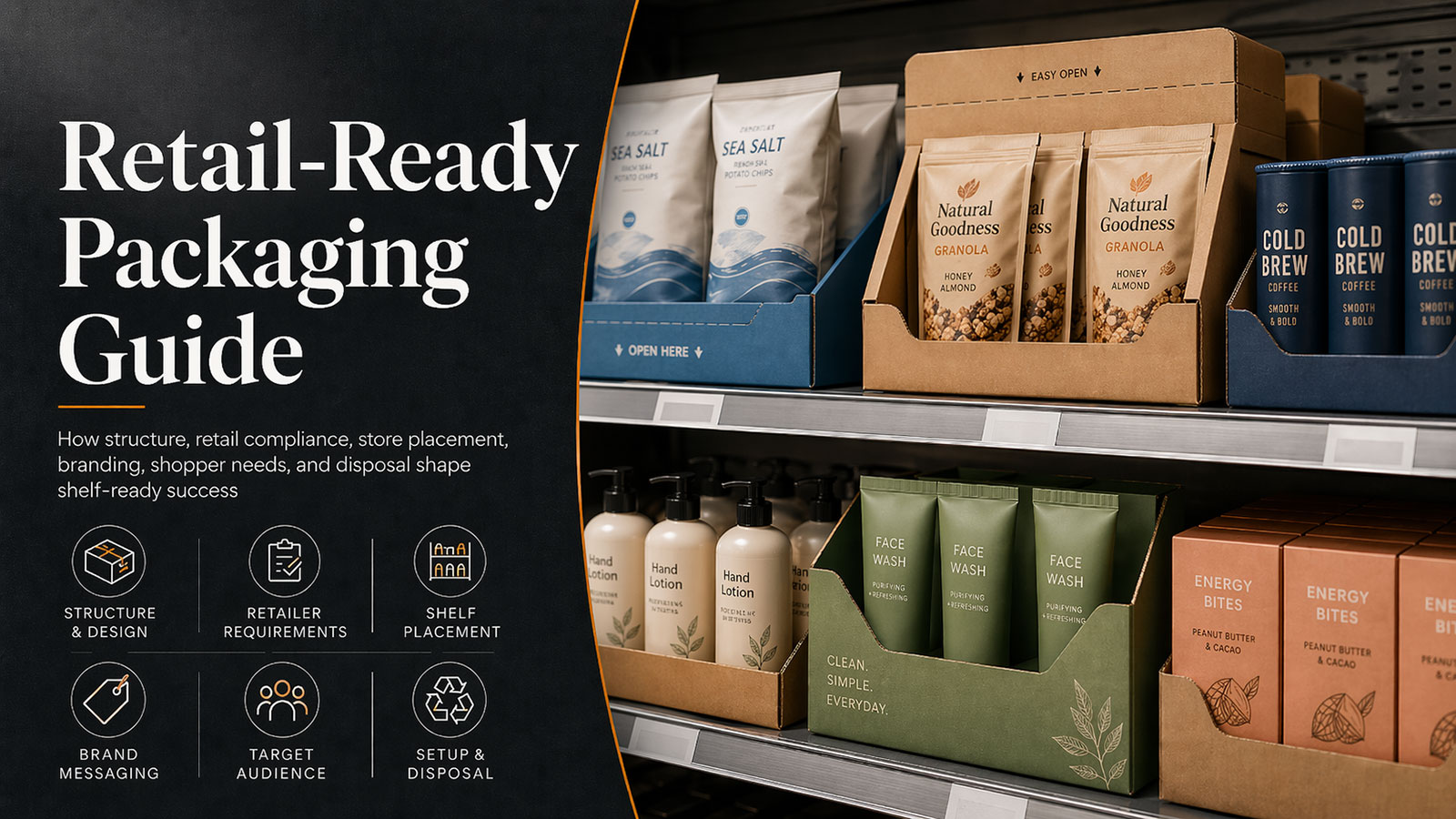
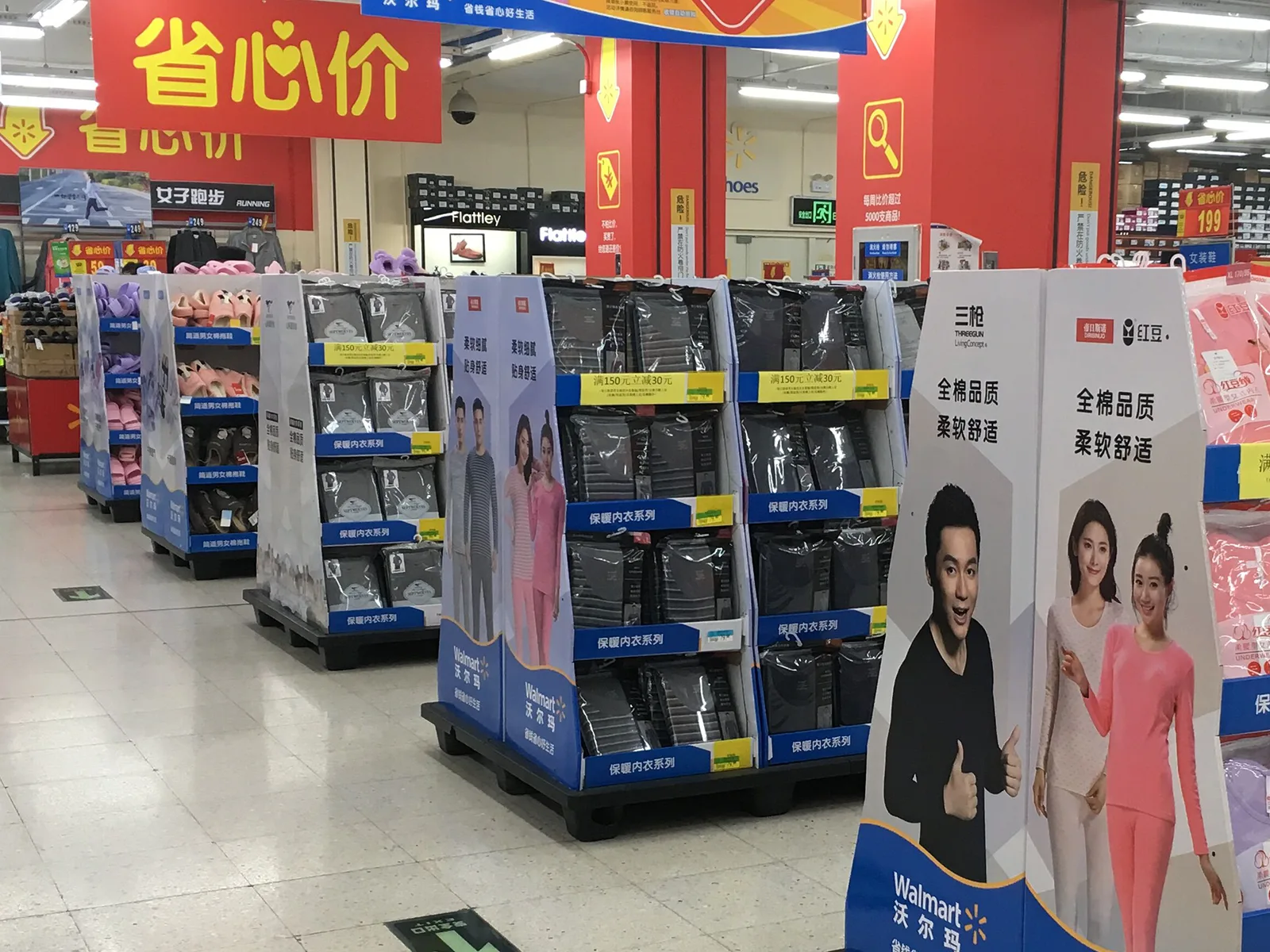
POS cardboard displays are widely used in supermarkets, chain stores, pharmacies, beauty retail, electronics promotions, and trade show environments. Floor displays, countertop displays, pallet displays, and dump bins can all be customized according to product type, sales channel, and campaign objective.
For FMCG brands, cardboard displays are especially useful because product graphics and promotional themes can be updated quickly. This makes them ideal for snacks, beverages, cosmetics, household goods, and limited-time offers that need fast visual turnover in-store.
They also work well in omnichannel retail. By adding QR codes, product education panels, or interactive promotional elements, brands can connect offline traffic with online content, helping shoppers move from product discovery to deeper engagement.
How to Choose the Right Cardboard Display Manufacturer
When selecting a cardboard display manufacturer, buyers should first evaluate in-house design and production capability. A supplier with integrated engineering, printing, sampling, and quality control is usually better equipped to maintain consistency and meet deadlines.
Material standards also matter. FSC-certified board, reliable print quality, structural testing ability, and export-ready packing processes are all signs of a manufacturer that can support long-term brand requirements rather than only low-cost production.
Experience is equally important. A supplier that has handled custom cardboard display stands for recognized retail programs will usually better understand shelf visibility, load-bearing performance, shipping efficiency, and store-level assembly needs.
Why Kingwin Is a Trusted Cardboard Display Manufacturer
Kingwin combines design expertise, production capacity, and customization flexibility to serve brands across different industries. With a full-process manufacturing system and a focus on sustainable materials, Kingwin supports clients from concept development to final delivery.
Whether you need custom cardboard display stands for a new product launch, POS cardboard displays for retail promotions, or branded cardboard floor displays for chain stores, Kingwin can provide tailored solutions that balance structural durability, visual impact, and cost efficiency.
An experienced cardboard display manufacturer can help transform an initial idea into a store-ready solution that performs well visually and structurally. In a competitive point-of-sale environment, that combination can make a meaningful difference in how products are seen and sold.