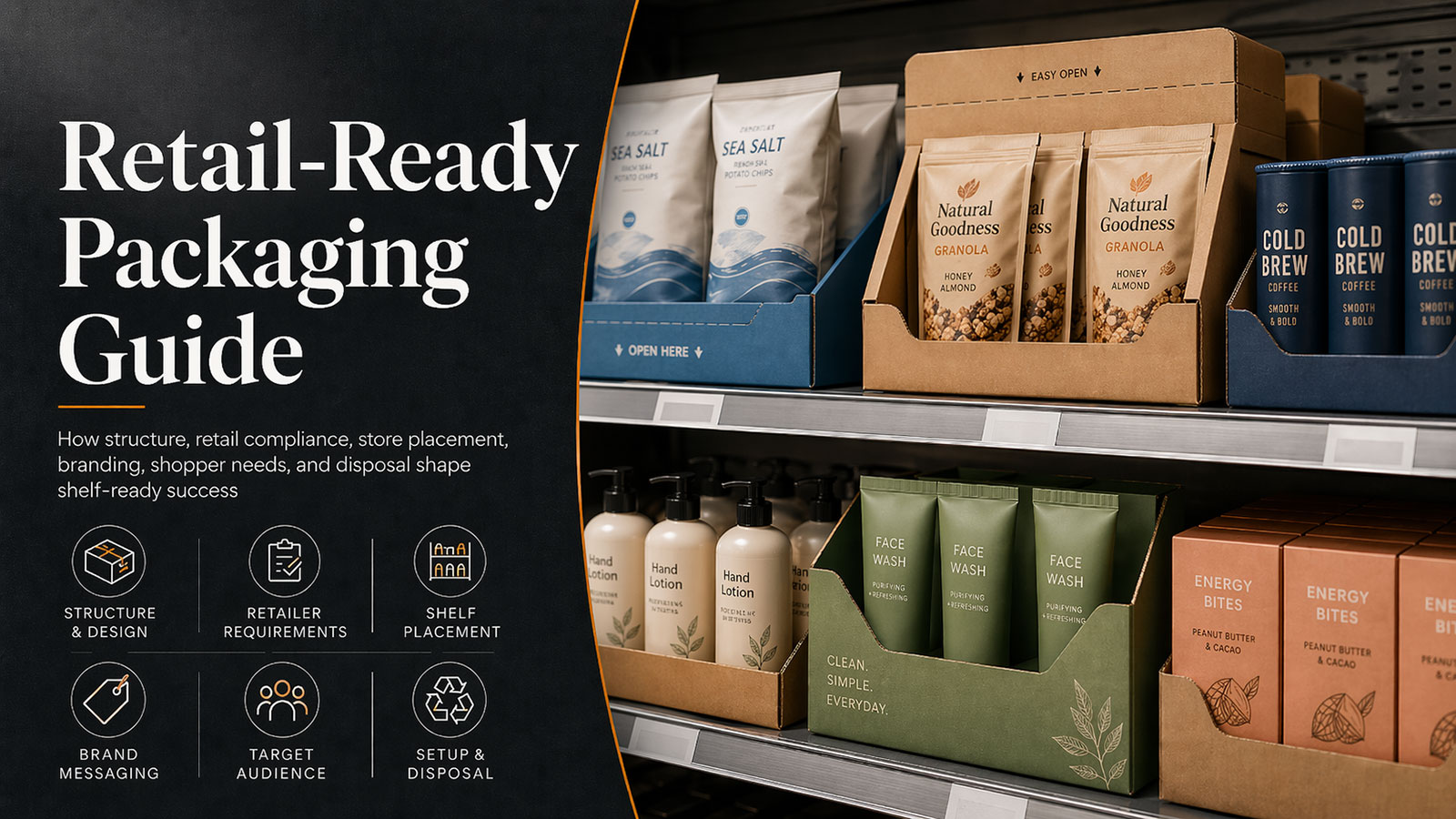
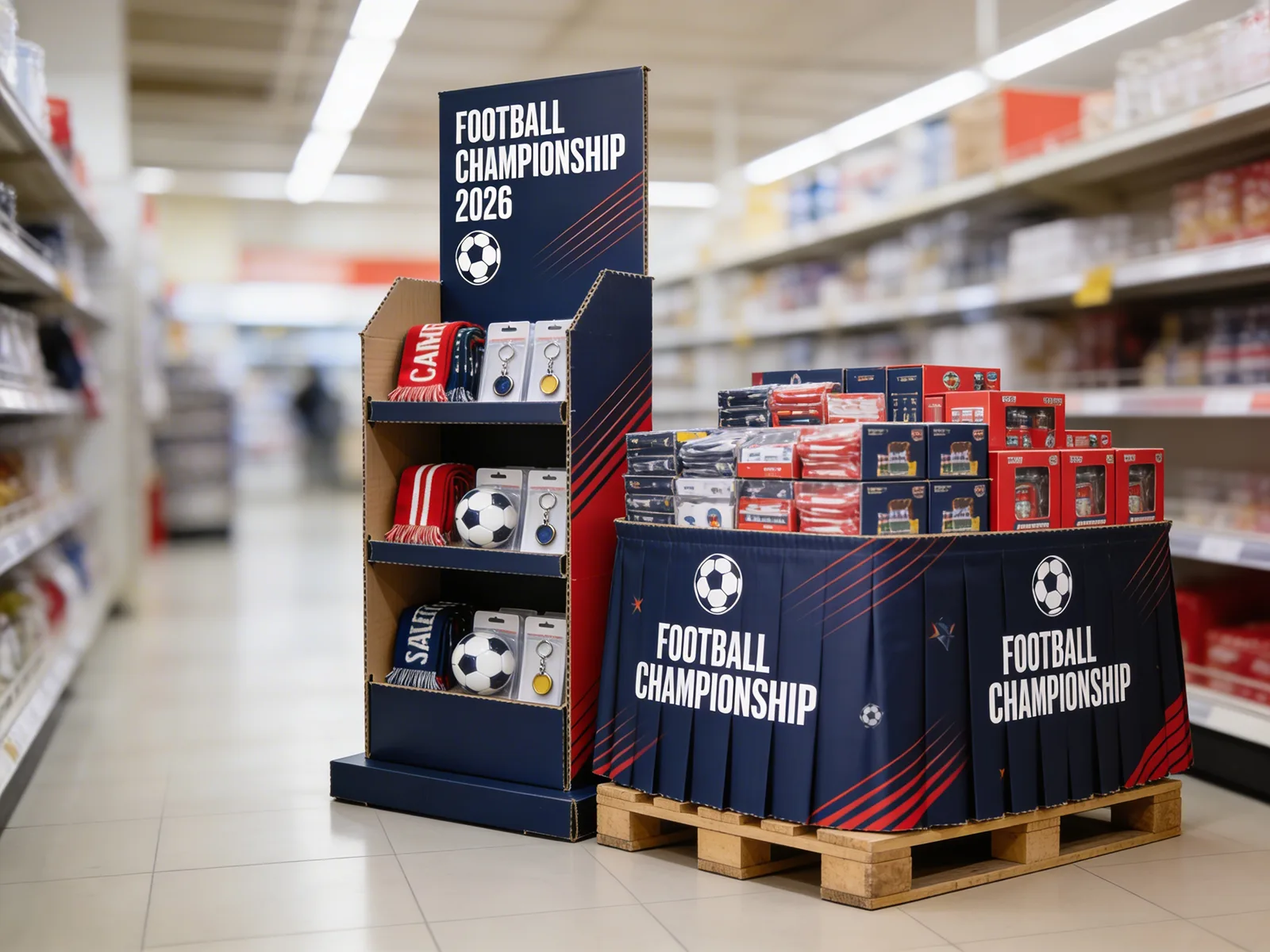

The 2026 FIFA World Cup is not just a sporting event — it is the single largest commercial opportunity in retail history. Hosted jointly by the United States, Canada, and Mexico, this is the first-ever tri-nation World Cup, featuring 48 teams, 104 matches, and an estimated 5.5 million live attendees. For brands and retailers, the window to capture fan spending is narrow, competitive, and enormously rewarding. The question is not whether to invest in retail displays — it is how fast you can get them on the floor.
- A Once-in-a-Generation Retail Event
- Why Cardboard Beats Every Other Display Material
- The Display Types That Drive World Cup Sales
- Design That Stops Shoppers in Their Tracks
- Who Needs a World Cup Floor Display?
- Kingwin Paper: Factory-Direct, Full-Service
- The Production Calendar You Cannot Afford to Ignore
- Start Your World Cup Display Project Today
A Once-in-a-Generation Retail Event
The scale of 2026 is unprecedented. With matches spread across 16 host cities in three countries, the geographic reach of this World Cup dwarfs any previous edition. Analysts project over $30 billion in economic activity generated throughout the tournament period, with fan merchandise, food and beverage, and licensed products leading consumer spending categories.
For retail brands, this translates into one clear mandate: own the floor space before your competitor does. In high-traffic retail environments — supermarkets, sporting goods stores, convenience chains, and stadium shops — a well-designed cardboard floor display can be the difference between a product that sells out and a product that gets overlooked. The brands that prepare earliest will claim the best positions and generate the highest ROI from the tournament's promotional wave.
Why Cardboard Beats Every Other Display Material
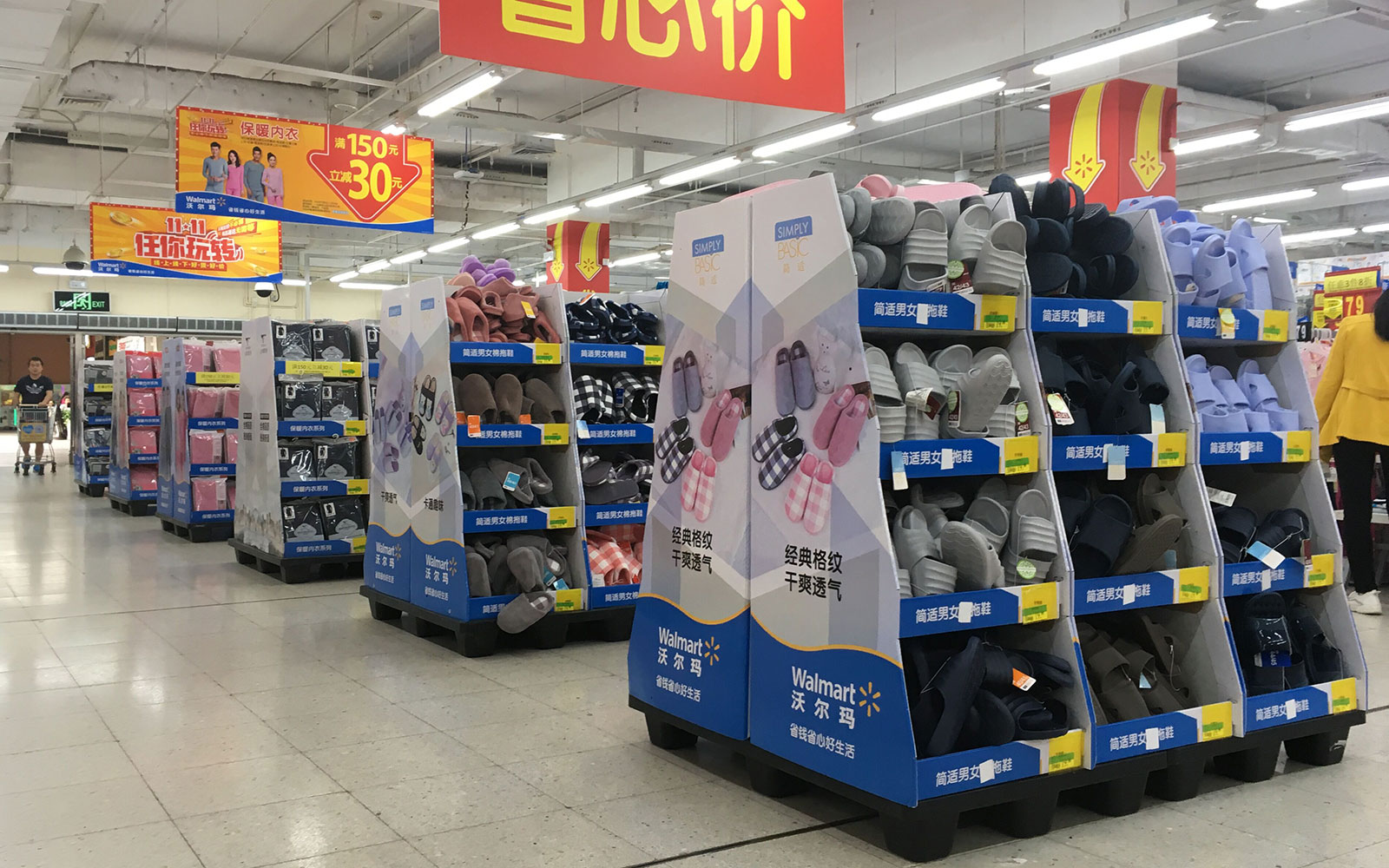
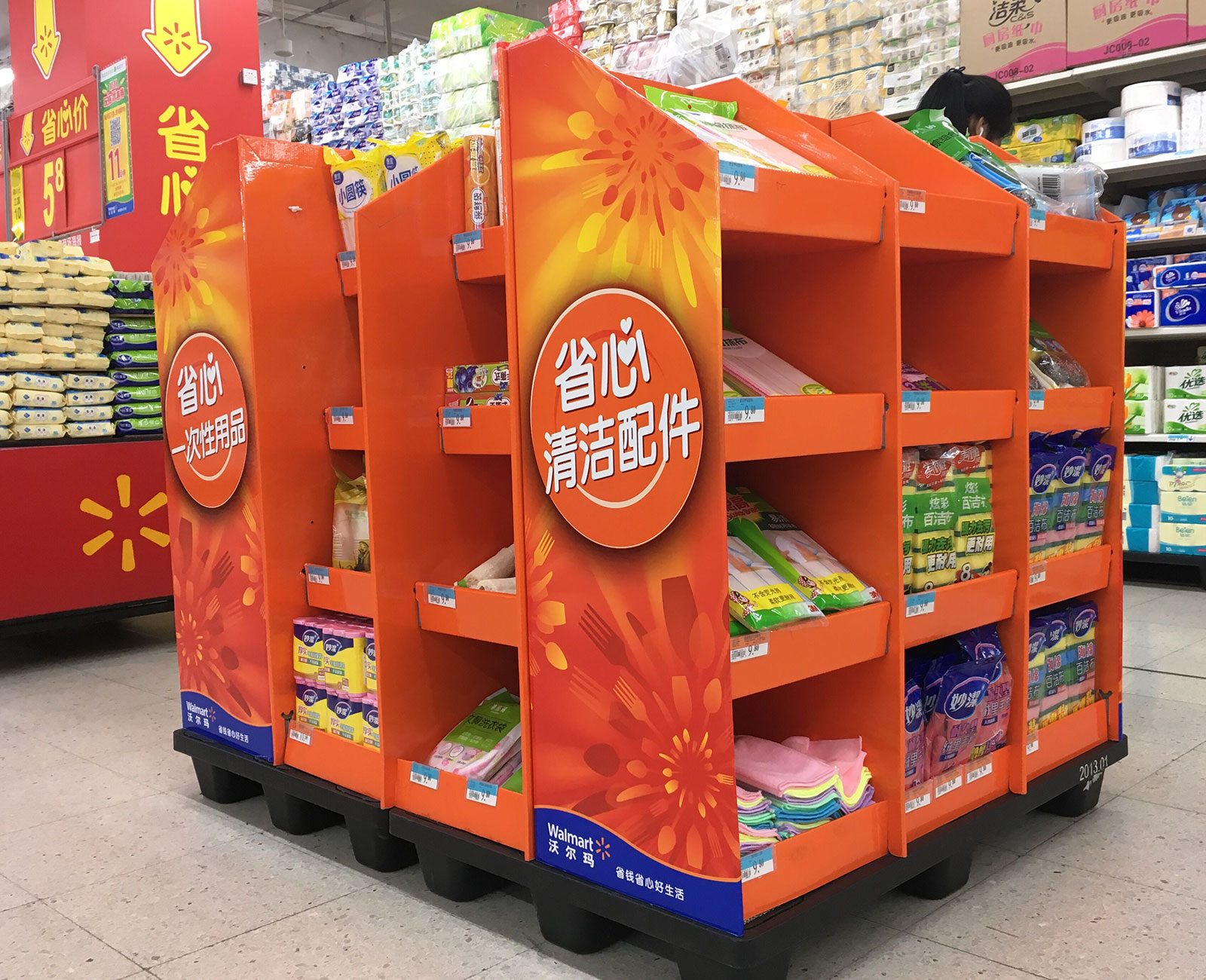
When it comes to seasonal promotional displays, cardboard — specifically corrugated paperboard — has become the undisputed material of choice for global brands and retailers alike. The reason is simple: it delivers premium visual impact at a fraction of the cost of metal, acrylic, or wire alternatives.
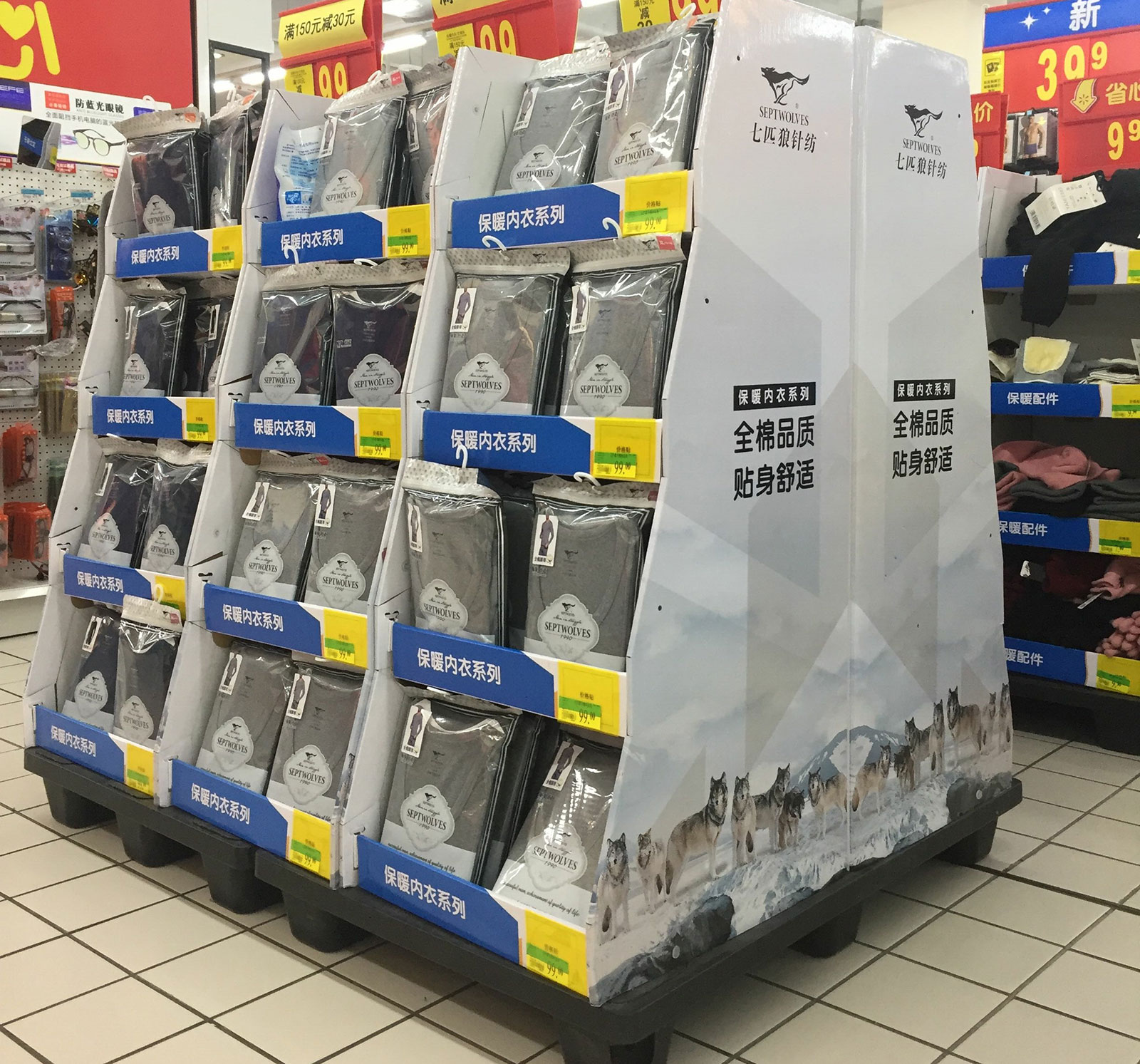
Beyond cost, corrugated cardboard offers a unique combination of structural strength and lightweight flexibility. A well-engineered floor stand can support 50–80kg of merchandise while being assembled by a single store associate in under five minutes — with no tools required. For large-scale retail rollouts across dozens or hundreds of stores, this operational simplicity is invaluable.
Sustainability is increasingly a purchasing criterion for international retail chains, and cardboard wins here too. Made from recycled fibers and fully recyclable after use, corrugated displays align with the ESG commitments of major retailers in North America and Europe. With FSC-certified materials readily available, brands can meet retailer compliance requirements without compromising on display quality or cost.
The Display Types That Drive World Cup Sales
Not all World Cup products are the same, and neither are the displays that sell them. The right display format depends on the product type, retail environment, and the brand experience you want to create.
| Display Type | Best For | Key Advantage |
|---|---|---|
| Cardboard Floor Stand | Apparel, beverages, snacks, fan gear | Maximum height visibility; holds 50–150 units |
| Dump Bin Display | Mini balls, wristbands, keychains, accessories | Open-top design encourages customer interaction |
| Counter / PDQ Display | Keychains, magnets, small souvenirs | Checkout-zone impulse purchases |
| Shaped / Die-Cut Display | Premium brand activations | Iconic silhouettes (ball, trophy, jersey) for shopper-stopping impact |
| Shelf-Ready Packaging (SRP) | FMCG, snacks, beverages | Doubles as shipping carton and retail display |
| Sidekick / Clip Strip Unit | Add-on merchandise alongside main displays | Maximizes space with minimal footprint |
The most visually powerful format for World Cup activations is the shaped die-cut display. Brands like Unilever have deployed giant football-shaped floor displays with bold gold-and-black color blocking, creating landmark moments inside retail stores that generate organic social media coverage — effectively amplifying the display investment far beyond its physical location. For brands with strong visual identities and event-specific campaigns, this format delivers the highest shopper engagement.
Design That Stops Shoppers in Their Tracks
Great display engineering begins long before production. The most effective World Cup floor displays share three design principles: bold thematic branding, structural reliability, and print quality that commands attention from 10 feet away.
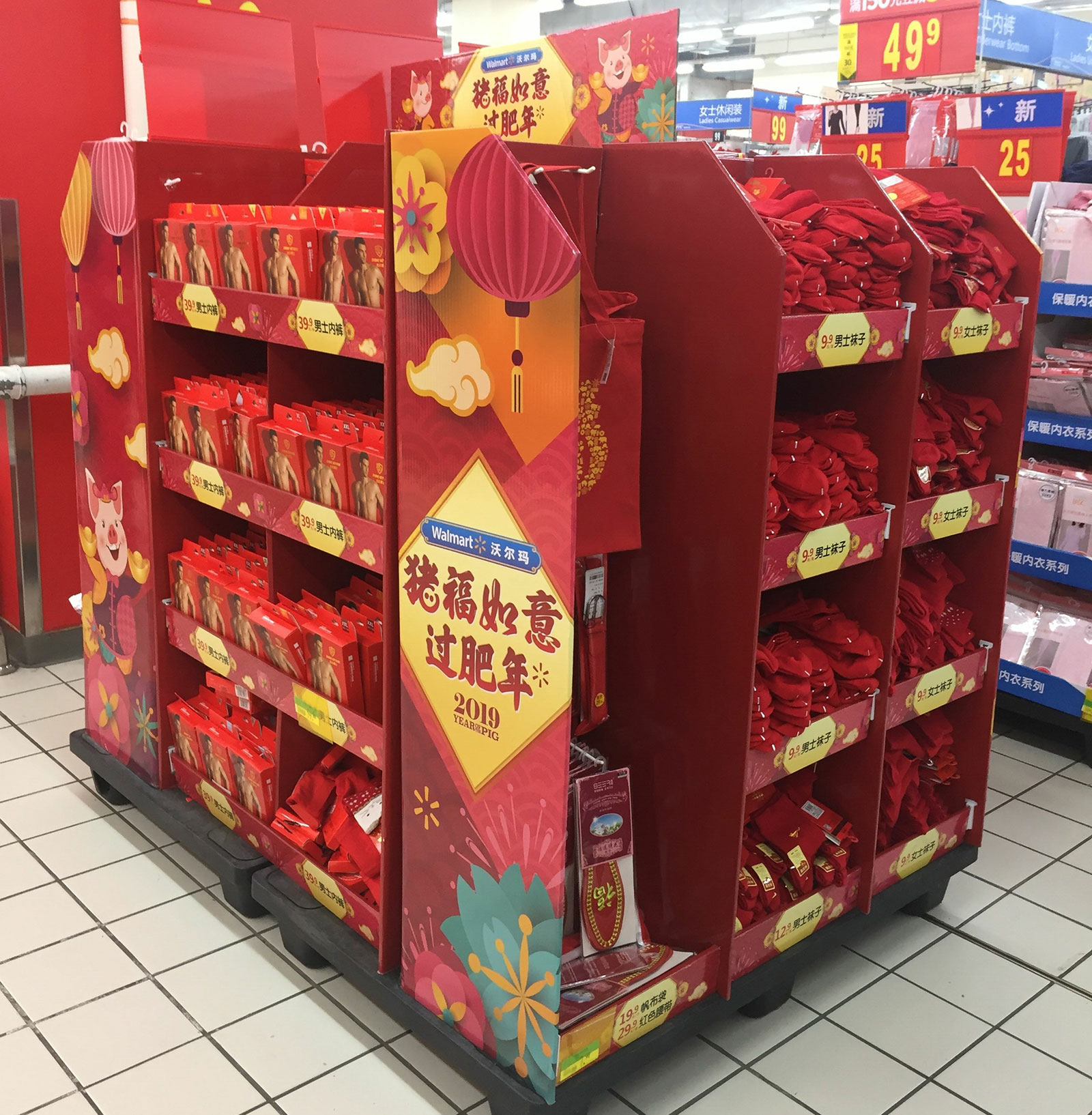
On the branding side, the World Cup's official visual identity — dynamic lines, deep blues and crimsons, the iconic trophy silhouette — provides a rich design language that resonates instantly with consumers worldwide. Translating this into a floor display means full-bleed graphic printing across all four panels, strategic use of die-cut windows to showcase products, and finishing techniques such as gloss lamination, UV spot coating, or soft-touch matte that elevate the perceived brand value.
Structural integrity is equally critical. A display that collapses under product weight, or buckles in a warm storage room, reflects poorly on the brand and disrupts the retail relationship. Kingwin Paper's engineering team designs each floor stand with load-bearing corrugated profiles appropriate to the product weight, anti-tipping base configurations, and flat-pack assembly logic that simplifies logistics. Every structural prototype is load-tested before moving to mass production.
Who Needs a World Cup Floor Display?
The commercial universe around the FIFA World Cup is broader than most people assume. It extends well beyond sports retailers into everyday consumer categories.
Food, beverage, and FMCG brands are the largest buyers of event-themed floor displays globally. Beer brands, energy drinks, snack companies, and confectionery manufacturers all compete fiercely for floor space during major tournaments — their promotional calendars are built around the World Cup cycle years in advance. Sporting goods and licensed merchandise importers represent another major segment: businesses that source officially licensed products (jerseys, hats, balls, accessories) need cost-effective display solutions to move high volumes through retail channels.
Beyond these core categories, the 2026 World Cup opens new opportunities for health and beauty brands, electronics accessories, and even financial services firms running in-store brand activation campaigns. Any brand looking to connect with the passion of football fans — in their local supermarket, pharmacy, or sporting goods store — benefits from a compelling floor presence during the tournament window.
Kingwin Paper: Factory-Direct, Full-Service
Kingwin Paper is a vertically integrated manufacturer of custom cardboard displays and packaging, operating in-house production facilities with complete control over materials, printing, and structural engineering. This factory-direct model eliminates the middlemen that inflate costs at trading companies, delivering a direct price advantage of 20–35% compared to sourcing through distributors.
| Capability | Specification |
|---|---|
| Sample Lead Time | 5–7 business days |
| Bulk Production Lead Time | 15–25 days (order-dependent) |
| Minimum Order Quantity | 200 units (floor displays) |
| Printing | 4-color offset / digital; up to 6 Pantone colors |
| Material Options | B/C/E flute corrugated; 350–450gsm paperboard |
| Finishing Options | Gloss/matte lamination, UV spot, embossing, hot stamping |
| Certifications | FSC, ISO 9001, BSCI audit-ready |
| Export Markets | USA, Canada, UK, EU, Australia |
The ability to handle design, structural engineering, printing, and production under one roof means Kingwin Paper can respond to World Cup project briefs with 3D mockups within 48 hours — a critical advantage when brands are racing against tournament timelines. Clients receive a complete view of the finished display before a single sheet of corrugated is cut.
The Production Calendar You Cannot Afford to Ignore
The 2026 FIFA World Cup kicks off in June 2026, but retail display production timelines mean the effective planning window is right now. Major retail chains in North America typically require display approvals 10–12 weeks before in-store placement. Adding 3–4 weeks for ocean freight from China, brands targeting a World Cup launch need to finalize display orders no later than late February to early March 2026 for standard timelines — and immediately for any custom shaped or premium-finish designs.
Brands that miss this window will find themselves unable to capitalize on the tournament's peak commercial moment. Factories with high World Cup demand are already managing allocation queues, and air freight alternatives — while available — can erode display cost savings entirely. The time to act is not when the first match is announced. The time to act is now.
Start Your World Cup Display Project Today
Kingwin Paper works with importers, brand managers, retailers, and promotional agencies across North America and Europe to deliver custom cardboard floor displays that are engineered to sell. Whether you need a high-volume corrugated floor stand for a beverage promotion, a die-cut shaped display for a premium brand activation, or a compact PDQ unit for checkout-zone sales, our team is ready to take your brief from concept to production-ready artwork within days.