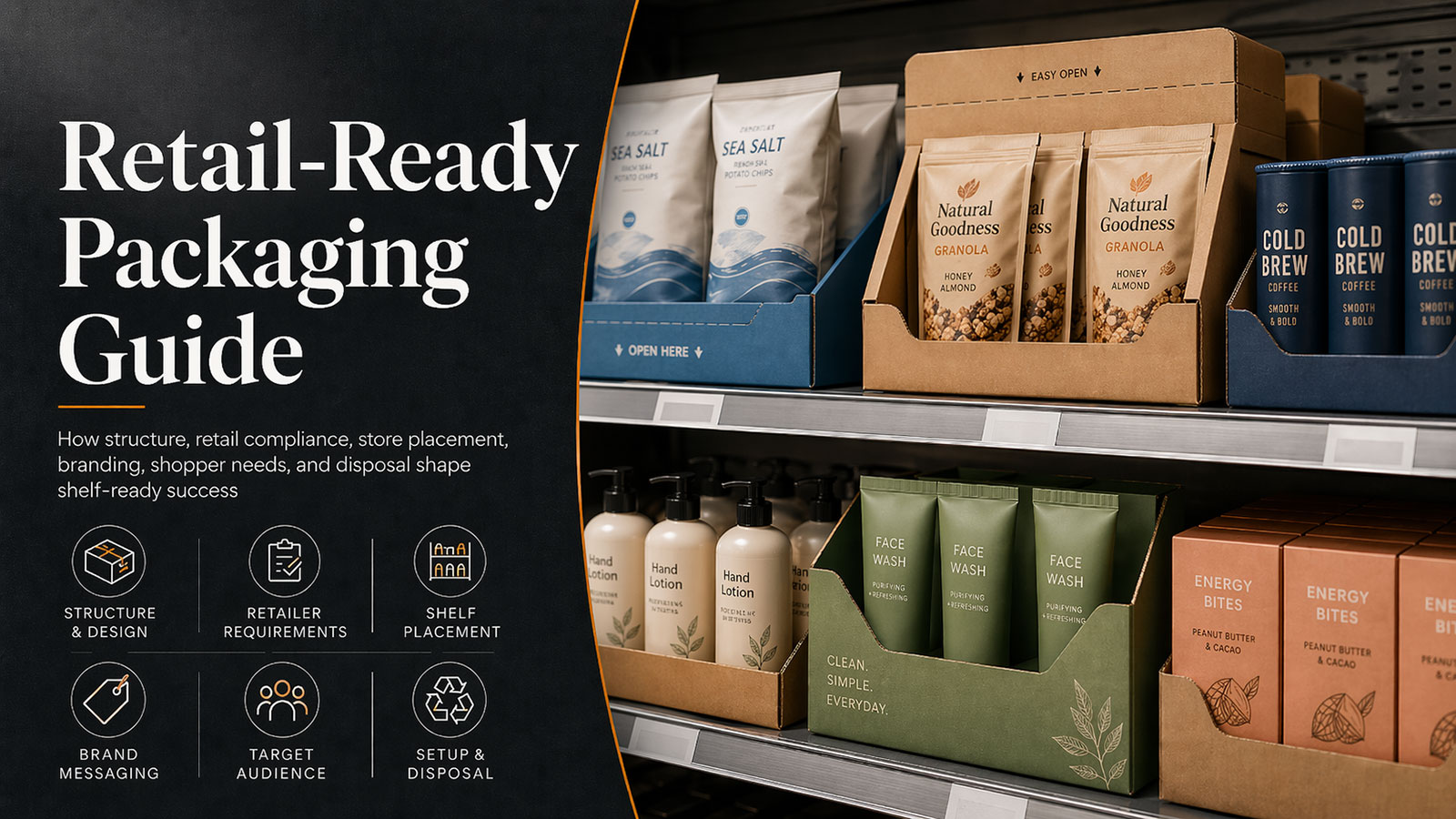

Cardboard displays are one of the fastest ways to improve product visibility and sales at retail, trade shows, and seasonal campaigns—when the structure, graphics, and materials match the real selling environment. Below is a reorganized, easier-to-read buyer’s guide that balances explanation with a few lists and tables.
Why cardboard displays
In retail and promotions, the best display is the one that gets noticed quickly, communicates value instantly, and stays stable through the full campaign. Cardboard (corrugated) displays remain popular because they combine strong marketing impact with practical advantages: they’re lightweight, easy to ship, and typically more budget-friendly than metal, acrylic, or wood while still supporting premium printing and finishes.
They also help brands align with sustainability expectations when designed with recyclable materials and responsible sourcing. For many businesses, that combination—visual impact, speed, and cost control—is exactly what makes cardboard displays a high-ROI merchandising tool.
Display types at a glance
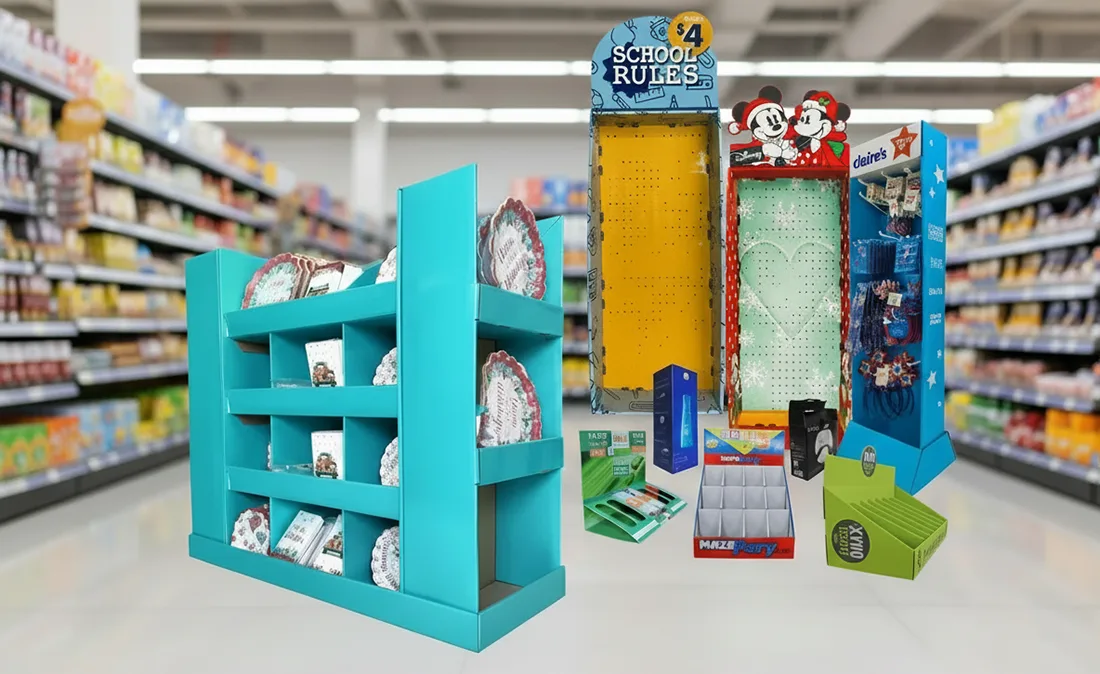
Different display types win in different environments. Use this table to match the display format to product size, placement, and campaign goals.
| Display type | Best for | Typical placement | Practical strengths |
|---|---|---|---|
| Countertop displays | Small items, samples, impulse buys | Checkout counters, service desks | Compact footprint, quick setup, low shipping cost |
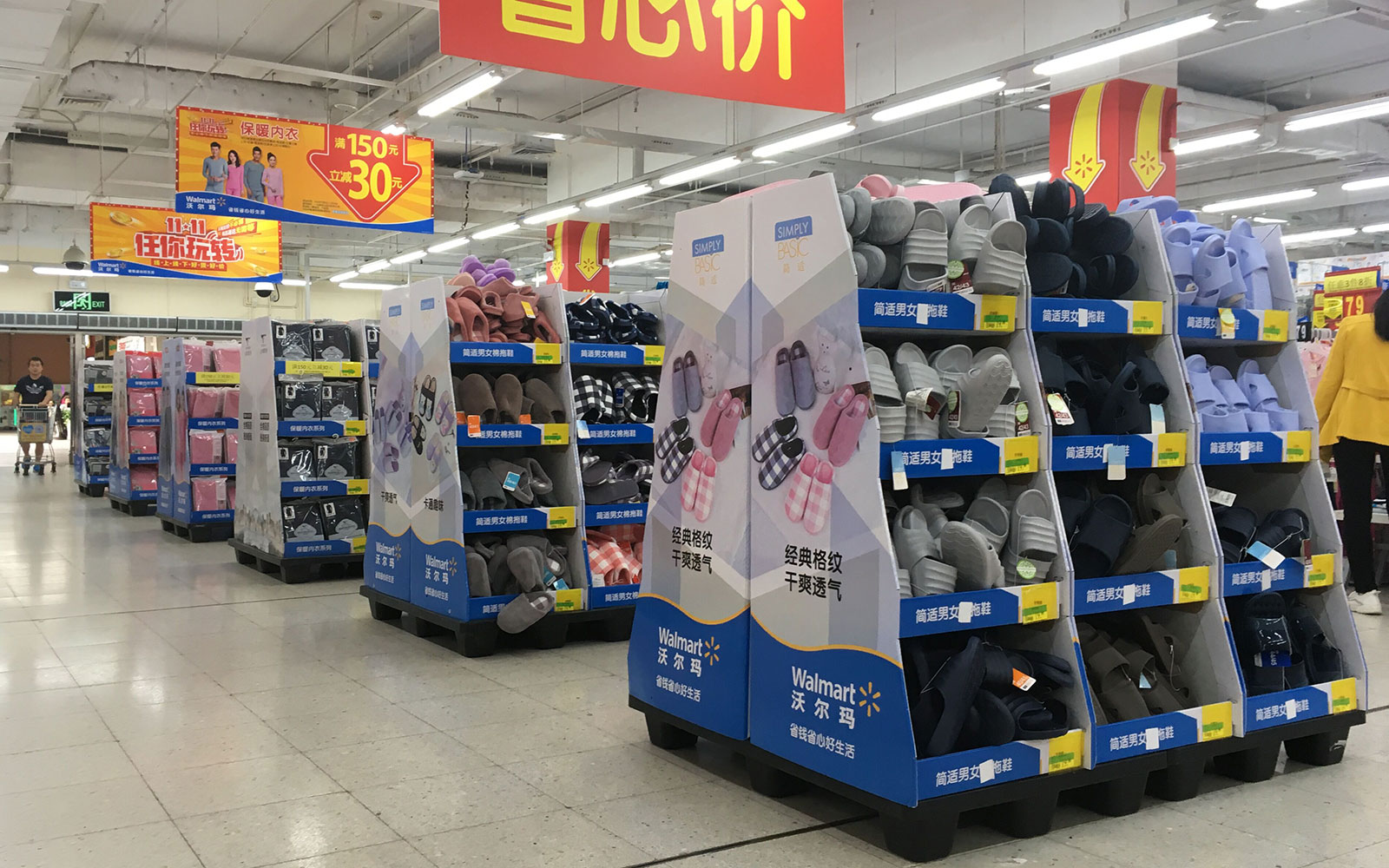
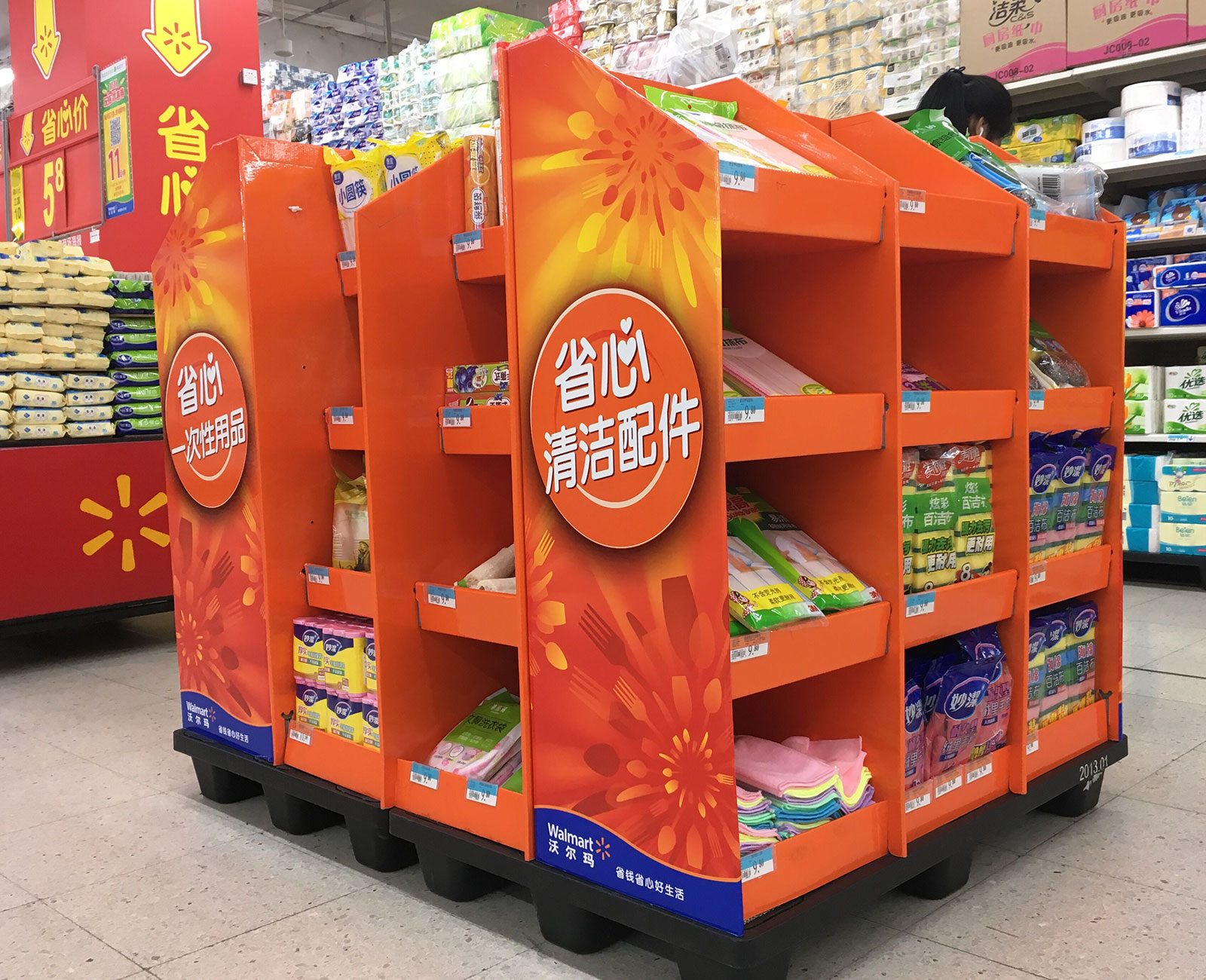
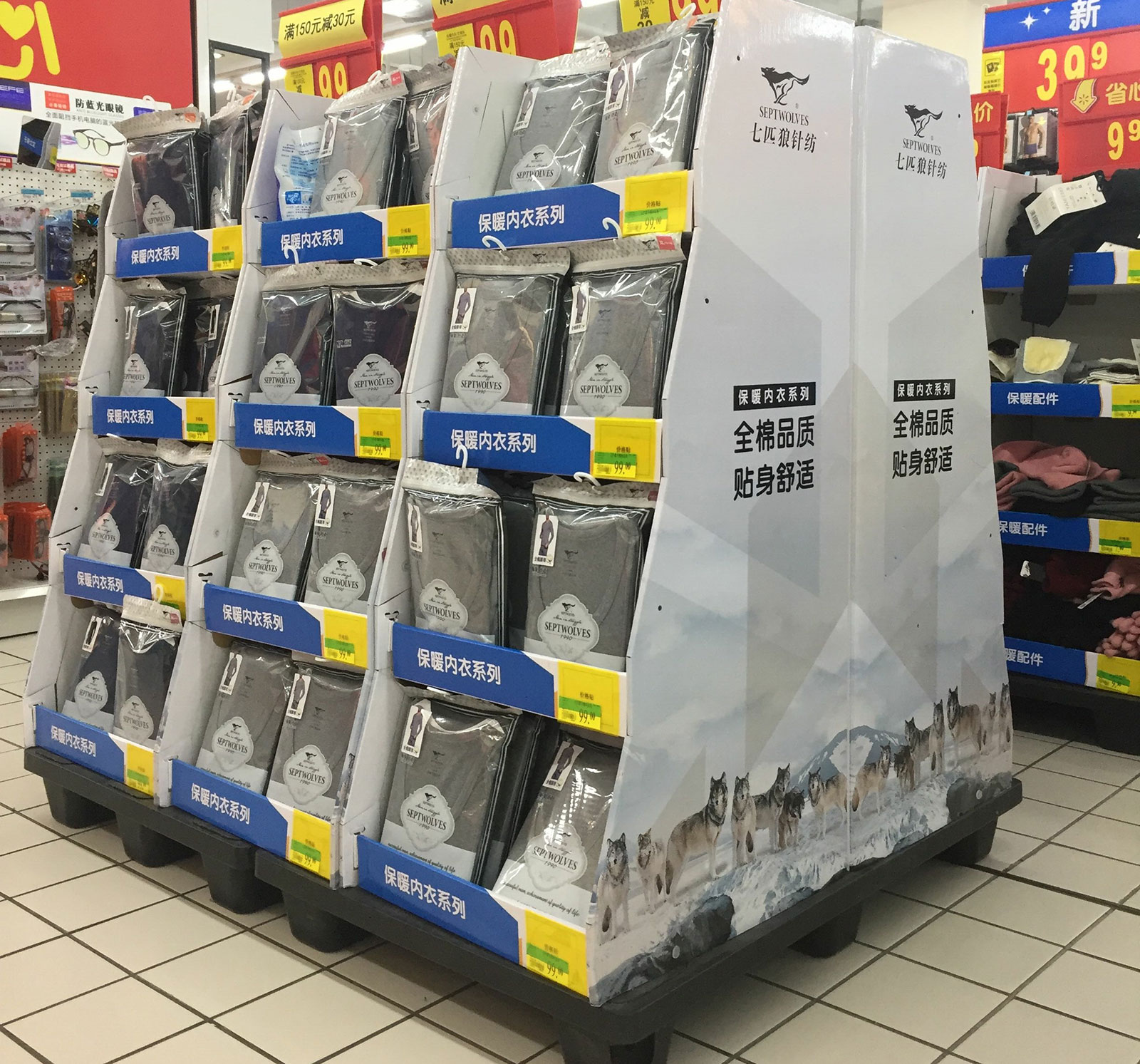
| Floor stand displays | Heavy products or many SKUs | Aisles, end caps, store entrances | High visibility, larger capacity, stronger structure |
| Shelf-ready / shelf displays | Organized facings and clean shelving | Standard shelves in retail stores | Efficient use of shelf space, improves planogram clarity |
| Pop-up (quick-assemble) displays | Short events and seasonal promos | Exhibitions, temporary pop-ups | Fast setup, easy storage, portable for repeat use |
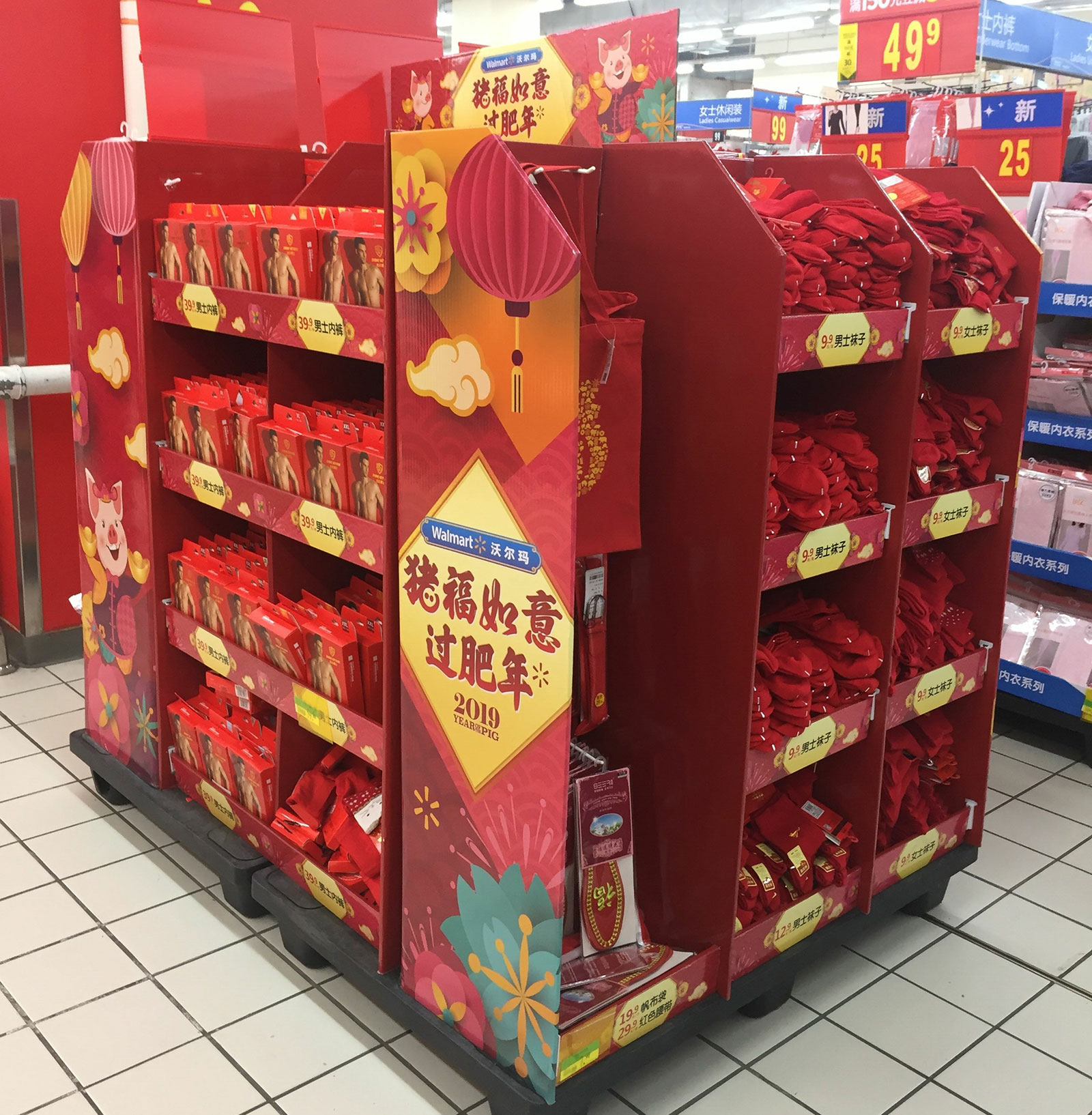
| Custom-shaped / die-cut displays | Brand storytelling and launches | High-traffic zones, campaign areas | Unique silhouette, higher stop-power, interactive add-ons |
How to choose the right one
Start by defining the “job” the display must do: where it will sit, how long it must last, and what it must hold. A floor stand for bottles in a high-traffic aisle needs different engineering than a countertop unit for lightweight accessories—so placement and product weight should drive structure decisions before artwork begins.
After structure, focus on message clarity. Printing can be beautiful, but in-store performance usually improves when the headline is short, the benefit is obvious, and the call-to-action is easy to see from a few feet away. If the campaign is premium (spirits, gifting, limited editions), finishes like spot UV, embossing, or metallic accents can lift perceived value—when used selectively rather than everywhere.
A simple decision checklist:
-
Purpose & placement: High-traffic aisle, checkout, end cap, or event booth?
-
Load & durability: Lightweight samples vs. full cases, bottles, or bulky cartons?
-
Environment: Humidity, cold chain nearby, frequent handling, or long campaign duration?
-
Budget & ROI: One-time promo vs. repeat rollout (reusability may matter more than unit cost).
-
Sustainability needs: Recyclability, responsible sourcing, and how (or whether) to communicate it on the display.
Why Kingwin
Working with an experienced manufacturer reduces risk: dielines fit the product, structures stay stable, printing stays consistent, and timelines are more predictable for multi-store rollouts. Kingwin supports end-to-end customization—from sizing and structural reinforcement to branded graphics and premium finishes—so the final display matches both retailer reality and brand standards.