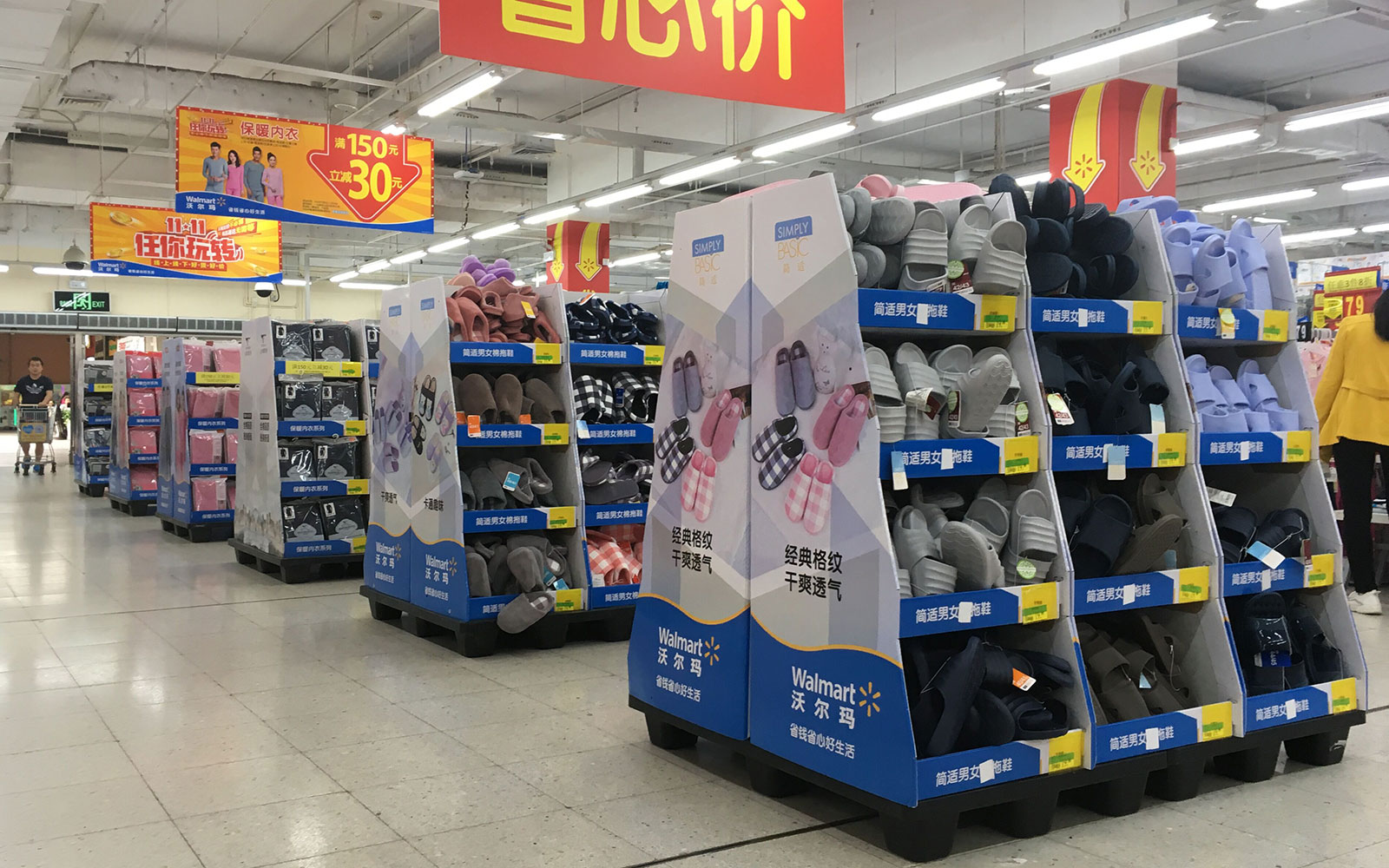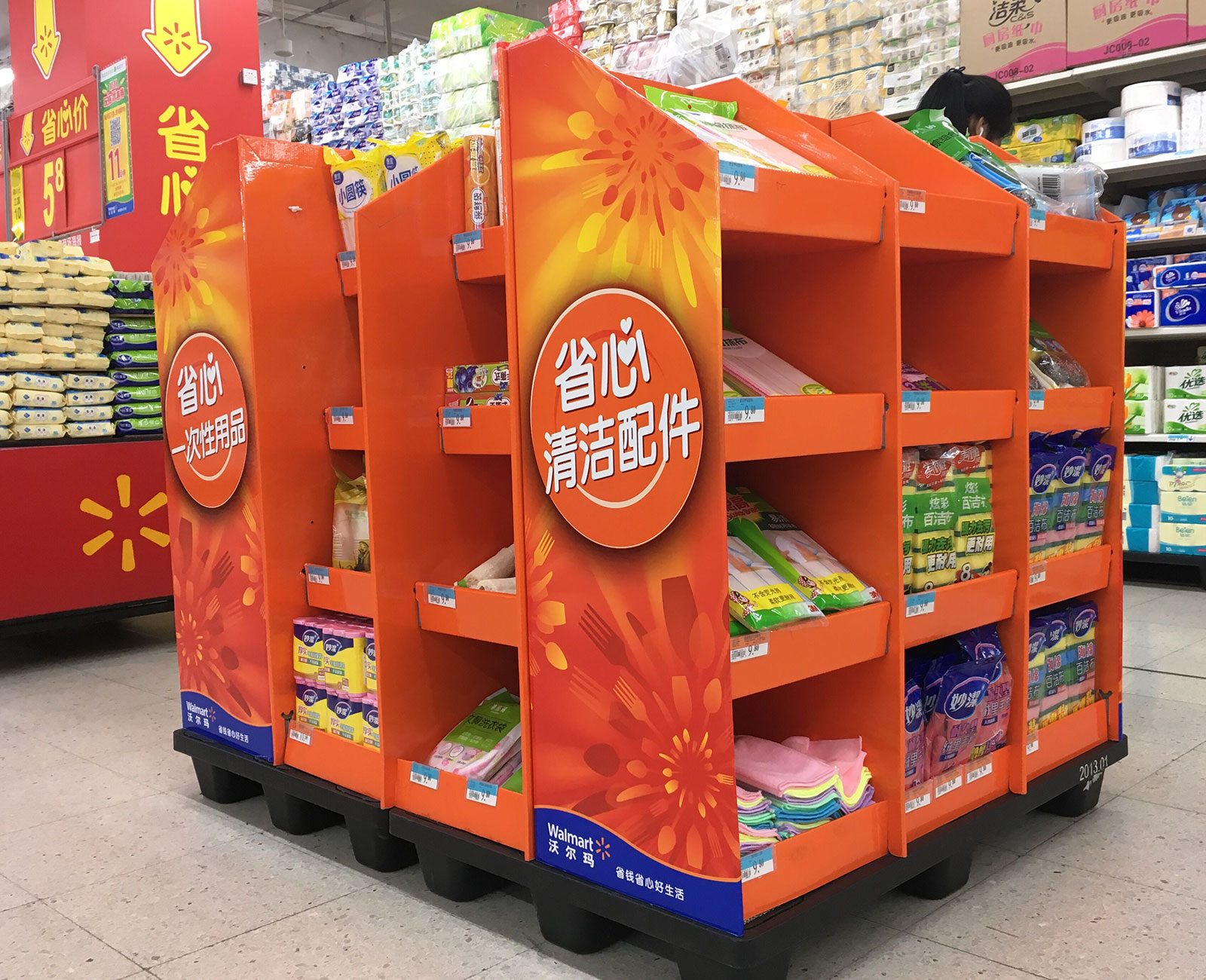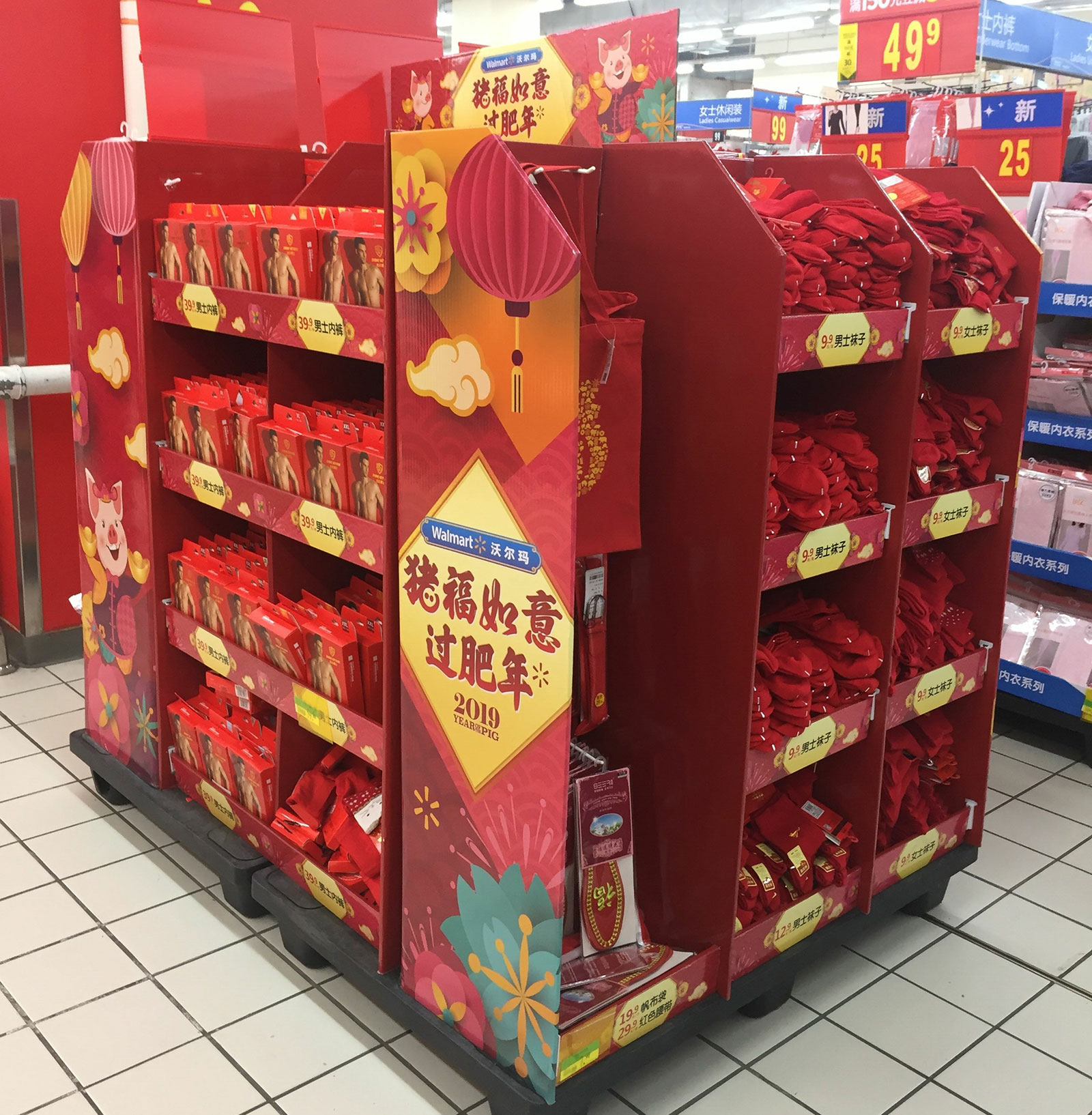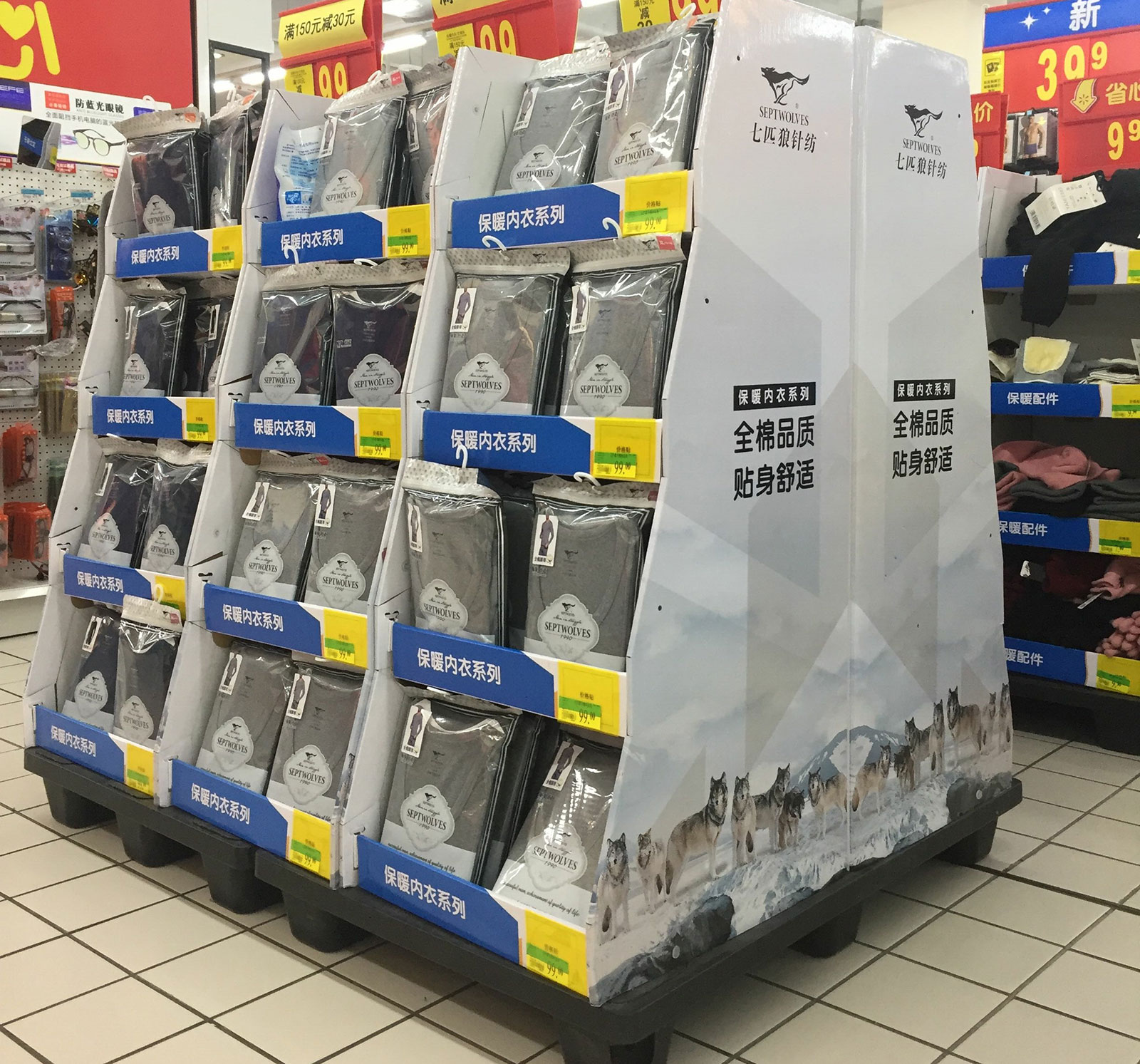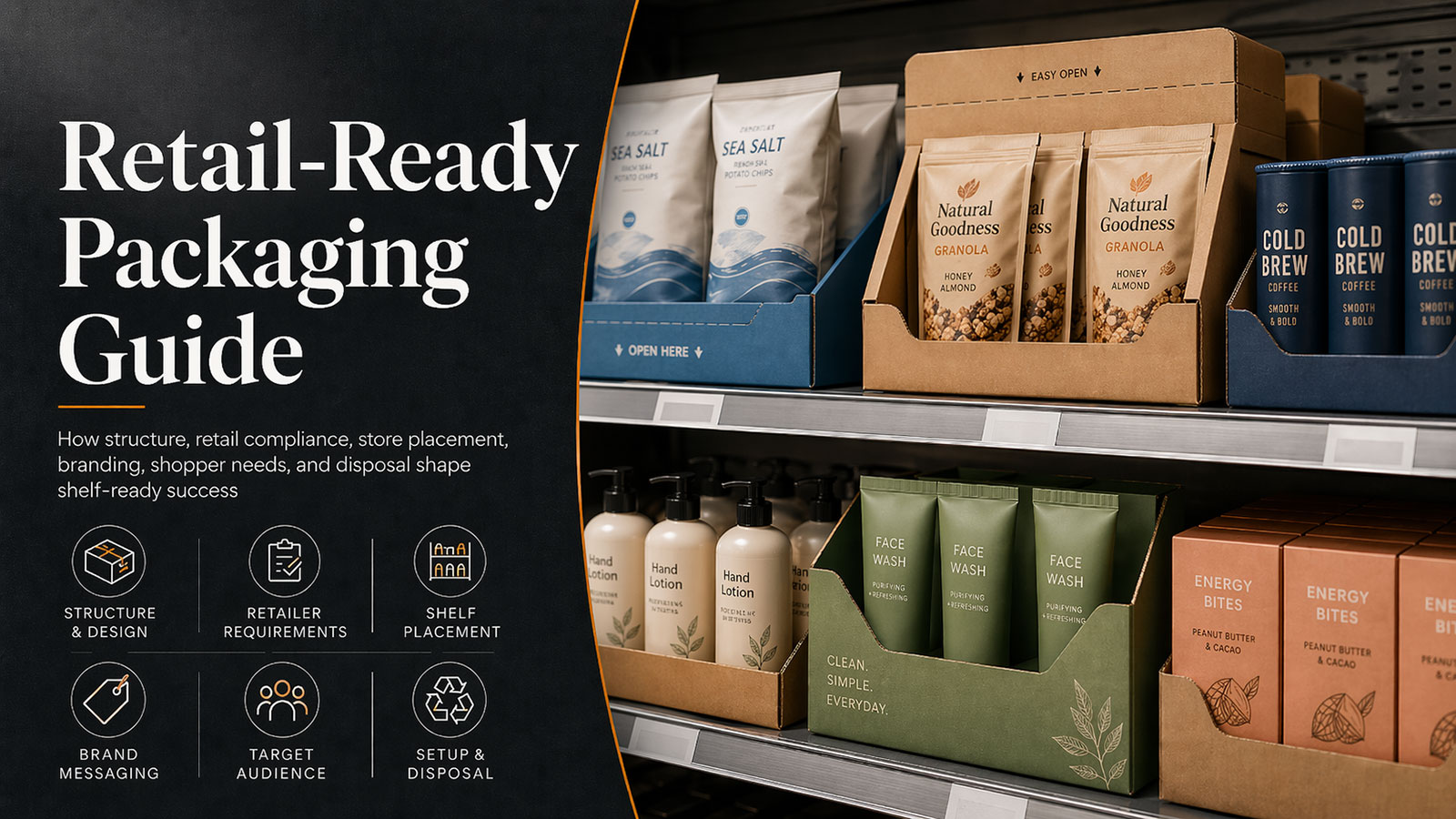

Retail is rapidly shifting toward sustainability as consumer expectations and waste-reduction rules increase, and cardboard displays have become a practical way to respond without sacrificing merchandising performance. This reorganized guide explains how Kingwin’s cardboard displays support both environmental goals and commercial results in real retail conditions.
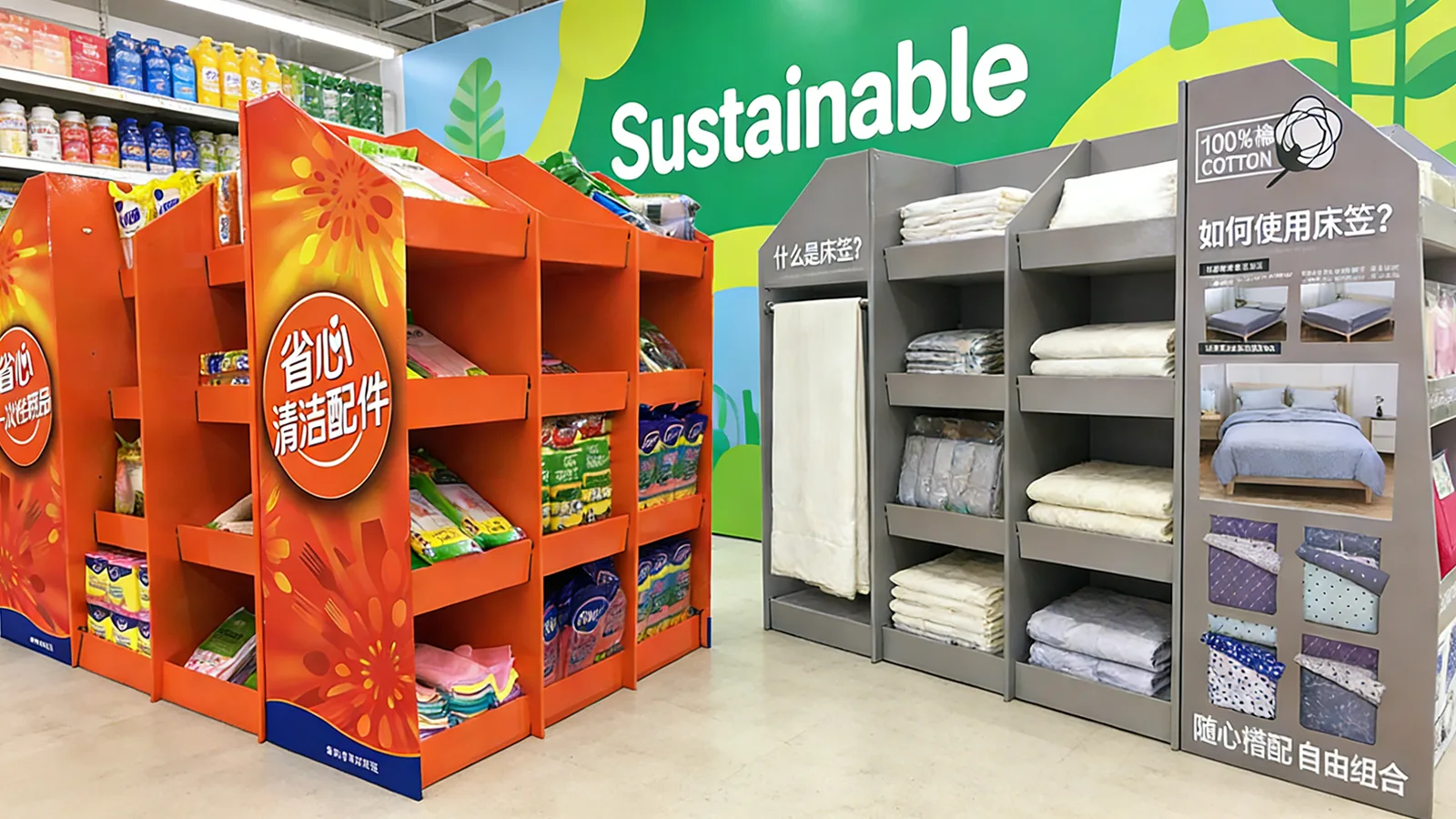
Why sustainable retail matters
Sustainability has moved from “nice to have” to a core requirement for many brands, especially when selling to younger, value-driven shoppers. As retailers face tighter expectations around waste, recyclability, and materials choices, display fixtures are an obvious place to replace harder-to-dispose options with paper-based alternatives.
Environmental advantages
Cardboard is often chosen because it can biodegrade naturally compared with many plastics and mixed-material fixtures that persist much longer after disposal. Kingwin designs displays to be recyclable and supports FSC-certified paper sourcing, which helps brands communicate responsible material choices. Cardboard’s lightweight and flat-pack shipping approach can also reduce transport impact compared with heavier fixture materials in many campaign rollouts.
Business performance benefits
Sustainable displays can still be built to sell—especially when structure, print, and placement are designed for the store environment. Kingwin positions cardboard displays as a cost-effective option, with the article citing potential cost reductions versus plastic/metal/acrylic and additional savings from flat-pack shipping and storage efficiency. The guide also emphasizes creative flexibility—high-resolution printing, die-cut shapes, and premium finishes (such as spot UV, embossing, and foiling)—to help brands achieve strong shelf impact without switching to expensive fixture materials.
| Factor | Cardboard displays | Plastic/metal displays |
|---|---|---|
| End-of-life | Designed for recyclability; biodegradable potential highlighted | Often harder to recycle depending on material mix |
| Logistics | Typically lighter; flat-pack friendly | Often heavier; bulkier to ship/store |
| Branding | High-impact printing and custom shapes are common | Can look premium but may cost more to customize |
| Best use | Seasonal promos, rollouts, fast campaigns | Long-term fixtures, permanent installations |
How Kingwin supports projects
Kingwin frames its role not only as a manufacturer but as a design-and-engineering partner—helping clients balance sustainability, durability, and brand identity in one display program. The article also stresses end-of-life thinking by encouraging recycling or repurposing guidance so displays deliver their full sustainability value after the campaign ends.