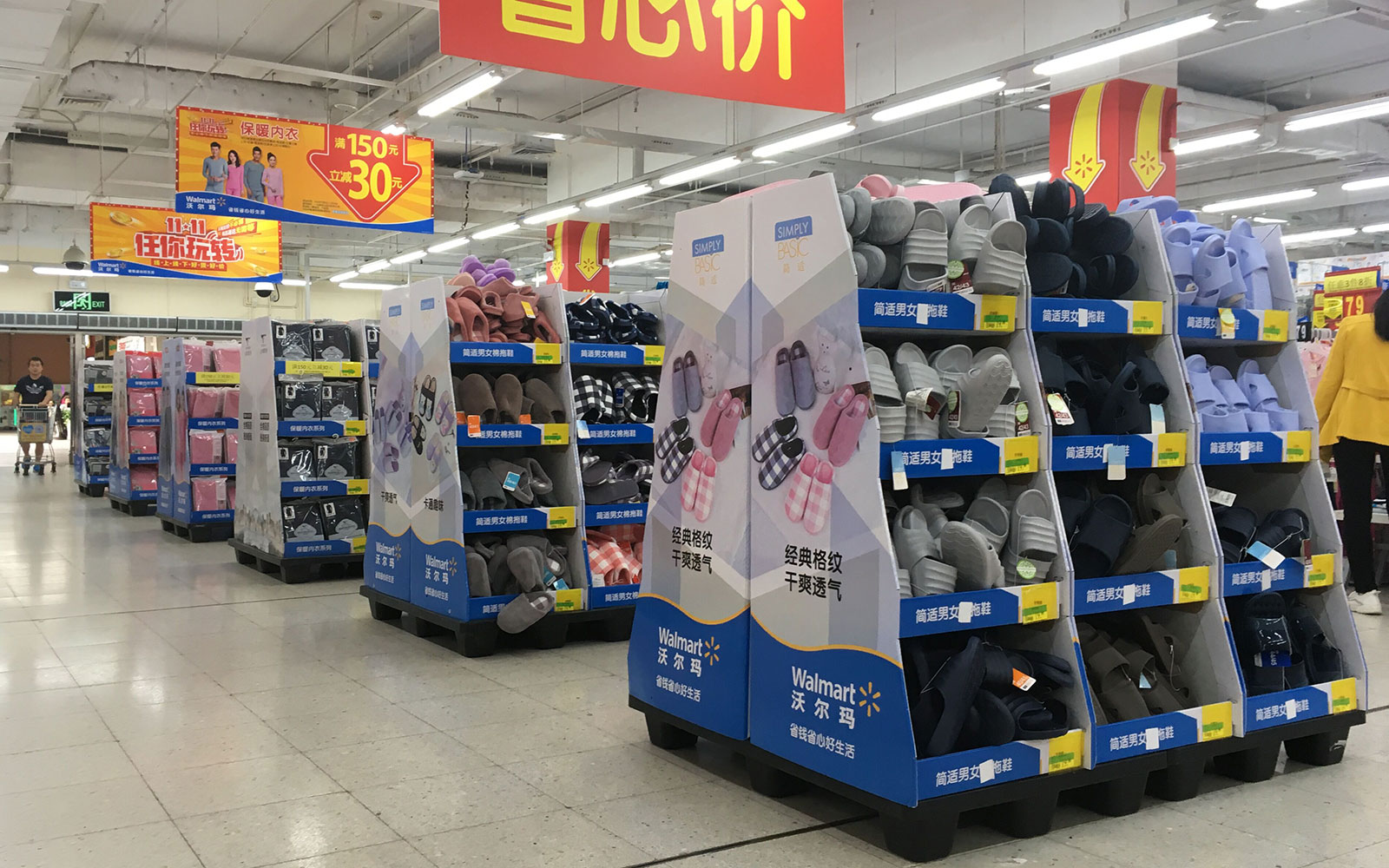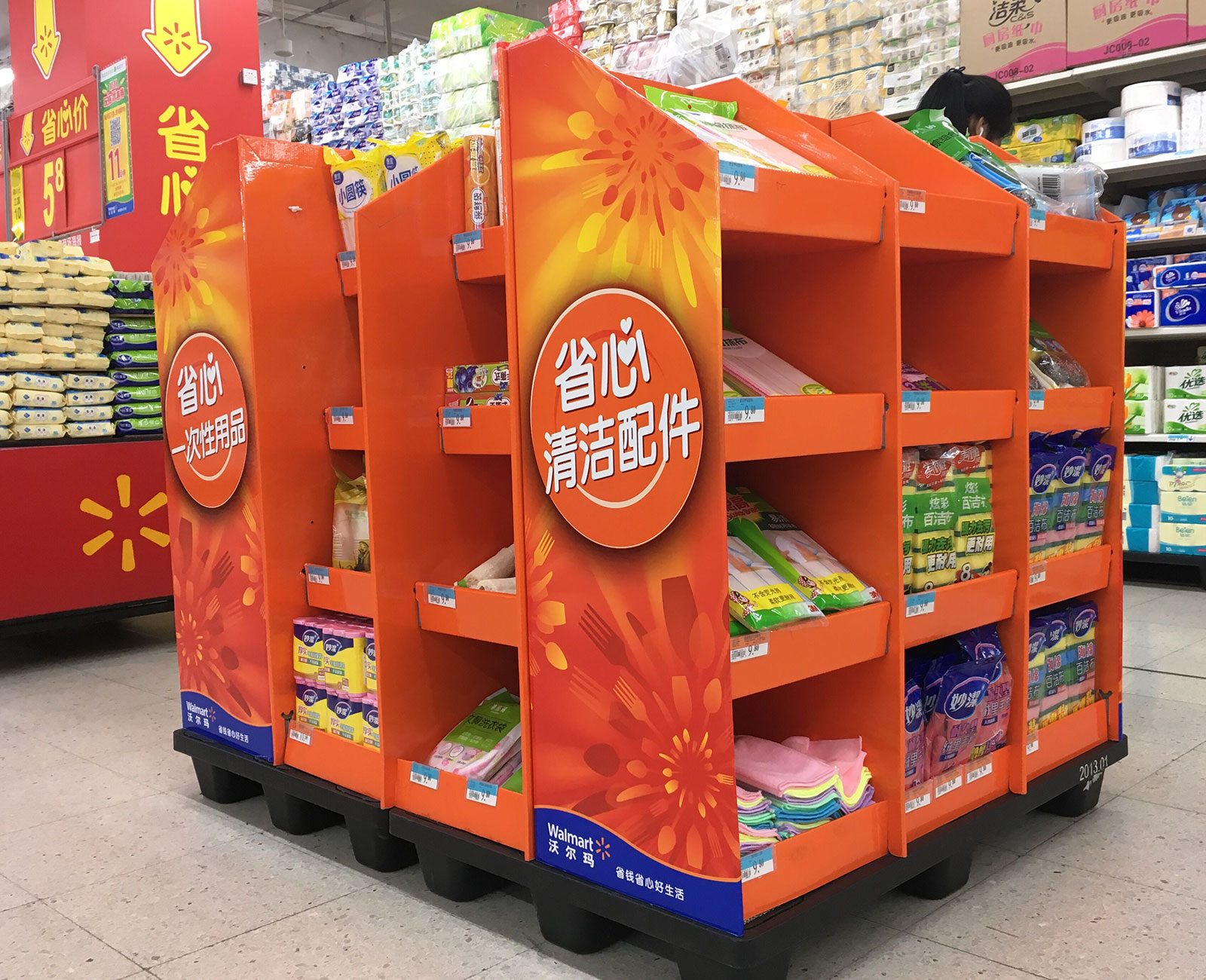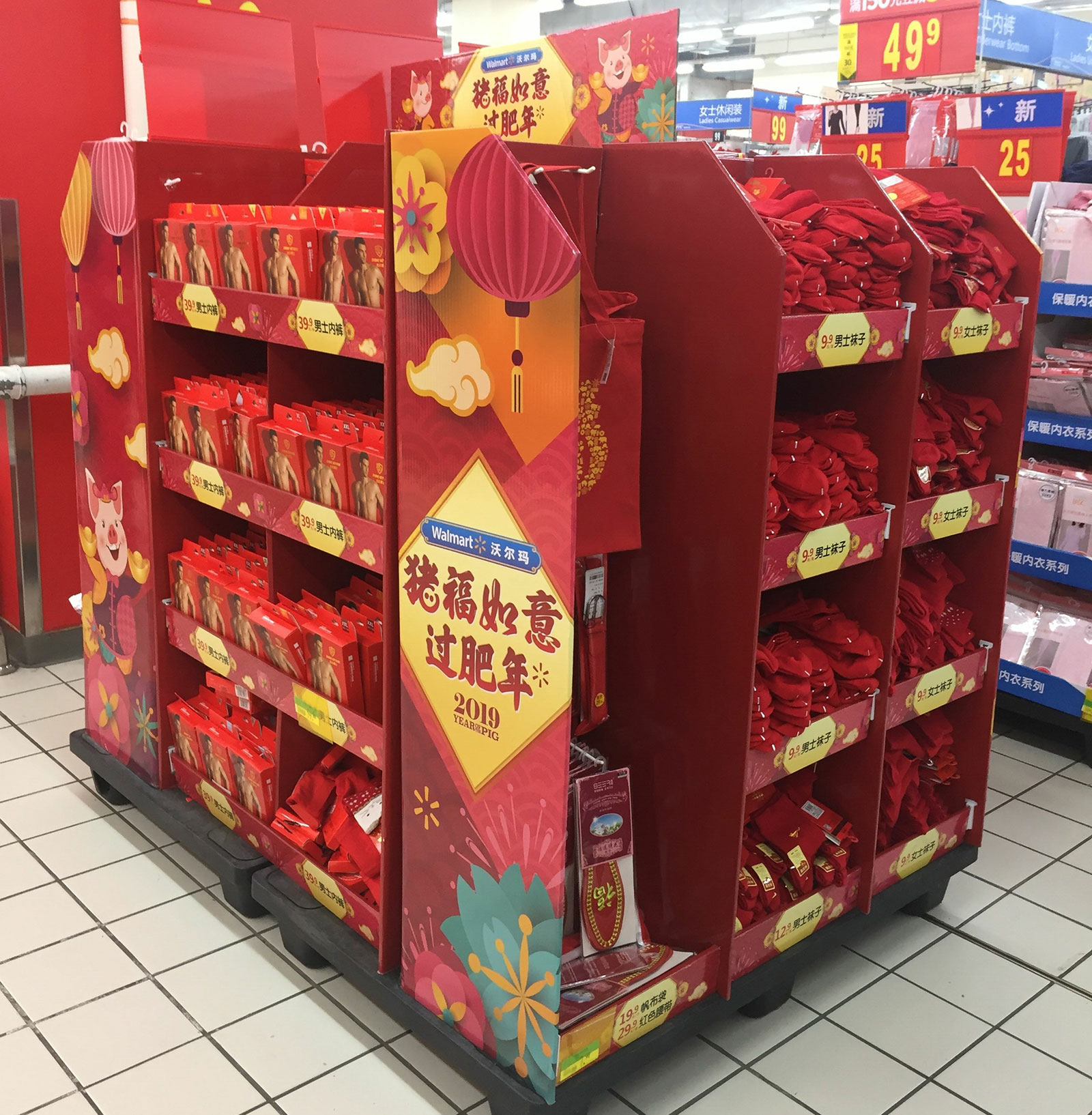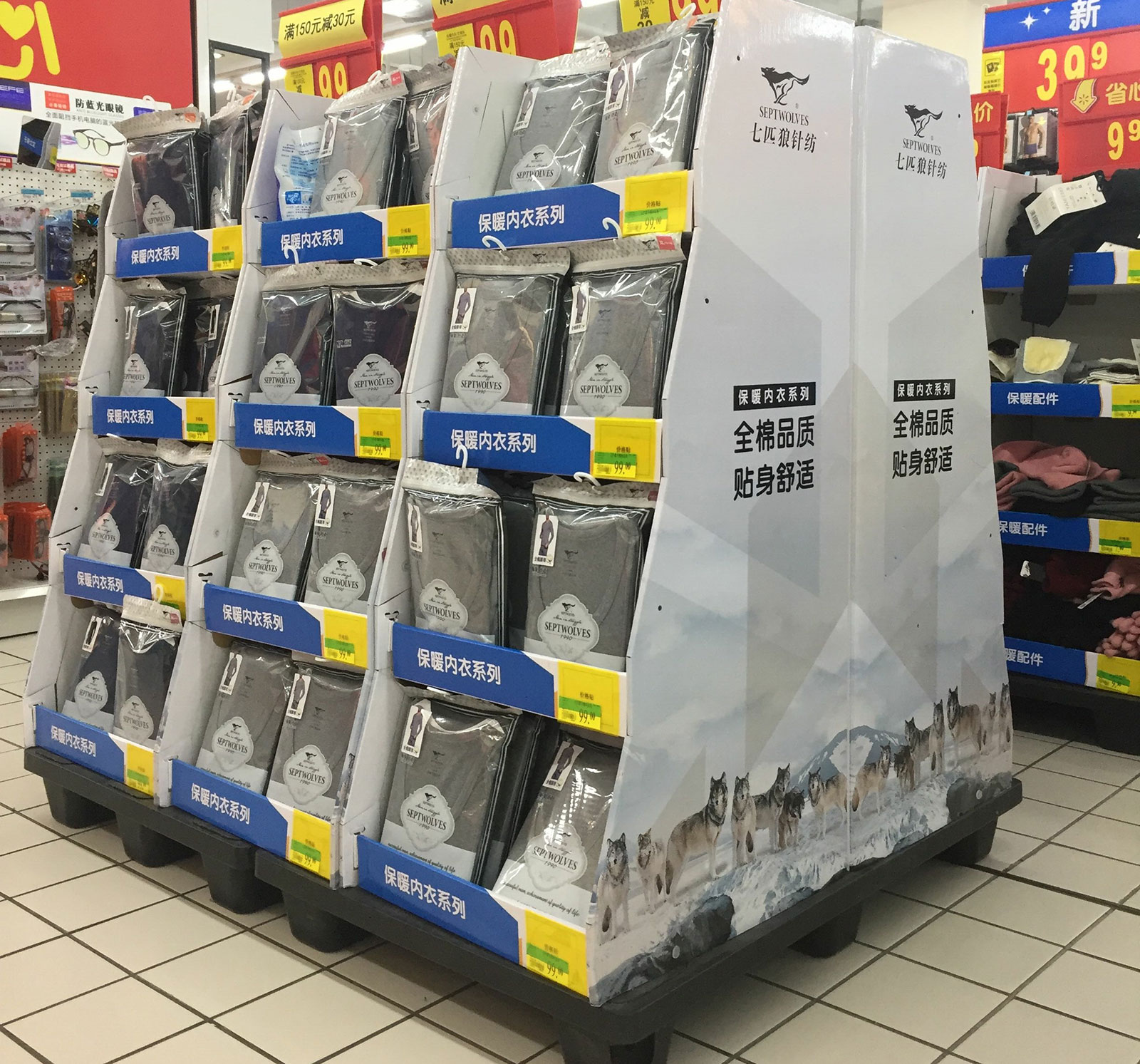

A Free Standing Display Unit (FSDU) is a standalone retail display that holds products and delivers branded messaging—without attaching to existing shelves or counters. Because it can be placed in open floor areas, aisle ends, entrances, and near checkout paths, an FSDU helps brands win attention in crowded stores and convert foot traffic into impulse purchases.
- What a Kingwin FSDU is and what it does
- FSDU vs other POS and POP displays
- Why brands choose Kingwin FSDUs
- How to make an FSDU perform better in-store
- Match the design to product positioning
- Put the key message at eye level
- Engineer for load and store traffic
- Placement and cross-selling matter as much as design
- Why custom beats “off-the-shelf”
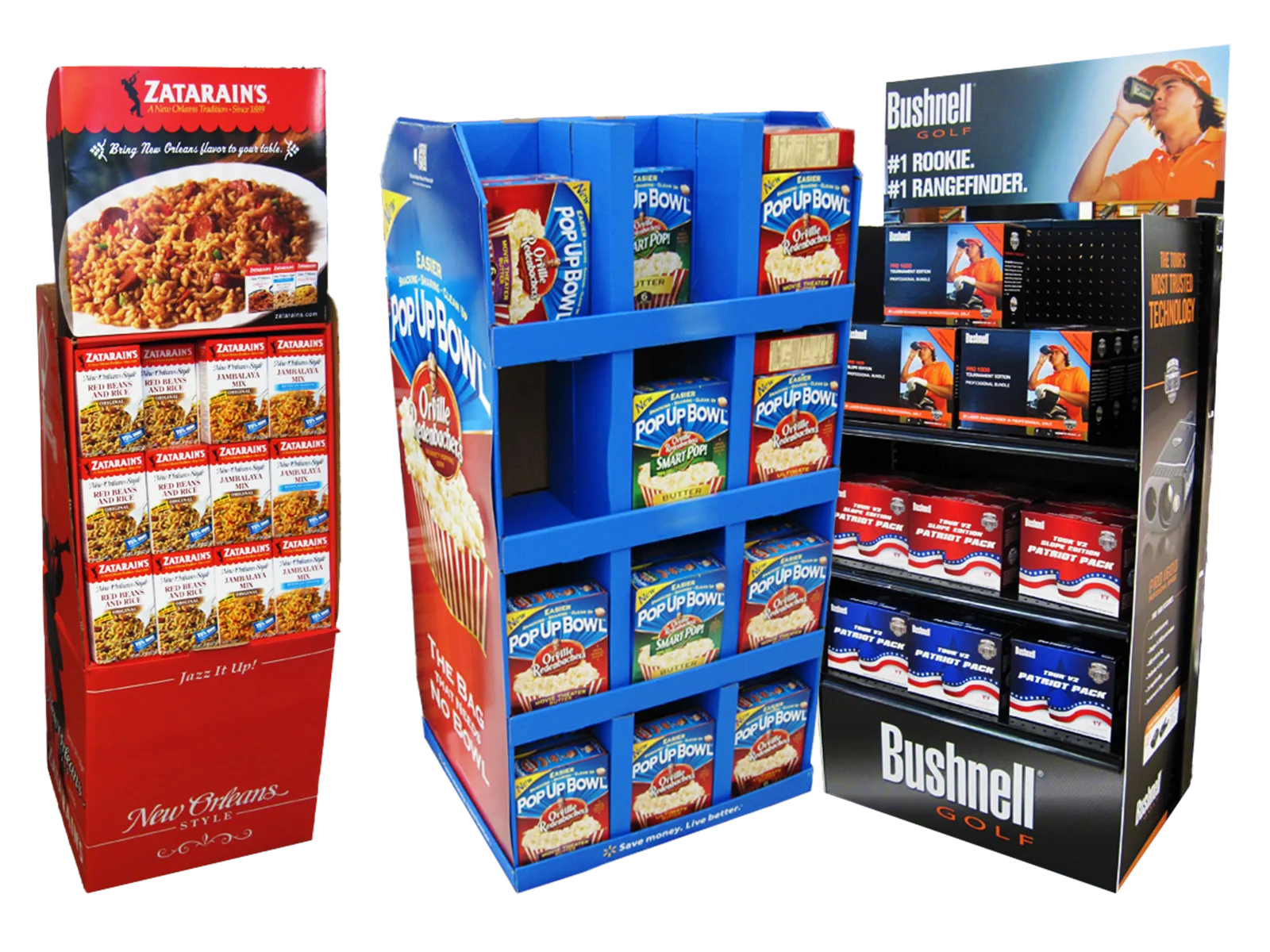
Kingwin FSDUs are typically made from retail-grade corrugated cardboard, combining practical product storage with high-impact graphics. They work especially well for short-term promotions, new launches, and seasonal campaigns where speed, cost control, and visual impact matter.
What a Kingwin FSDU is and what it does
Unlike small counter units, an FSDU “claims” its own footprint on the retail floor. That independence gives you more placement options and a bigger canvas for branding. The unit becomes a silent salesperson: it displays the product, repeats your key message, and guides shoppers toward a quick decision.
Kingwin designs FSDUs to stay lightweight for shipping and deployment, while reinforcing key load points (base and shelves) so the unit performs in real stores—from snacks and cosmetics to electronics accessories and selected beverage formats.
FSDU vs other POS and POP displays
FSDU is part of the broader POS/POP world, but it behaves differently because it’s fully free-standing. The table below shows how most retailers and brands use each format.
| Display type | Where it sits | Best use cases | Why it works |
|---|---|---|---|
| FSDU (free standing) | Aisle ends, entrances, open floor, traffic paths | New launches, seasonal themes, hero SKUs, cross-sell zones | Owns space, high visibility, larger branding area |
| Countertop display | Checkout counter, service desk | Candy, minis, small accessories | Captures last-second impulse buys |
| Sidekick / shelf-attached | Attached to existing shelving | Add-ons next to core category | Uses existing shelf traffic without taking floor space |
| Dump bin | Front-of-store, near checkout, promo areas | Bulk packs, value promos, fast clearance | Easy “grab and go,” high volume capacity |
If your goal is to dominate a high-traffic zone (not just add a small reminder), an FSDU is usually the strongest choice.
Why brands choose Kingwin FSDUs
A good FSDU needs to look great, ship efficiently, assemble quickly, and survive busy shopper interaction. Kingwin focuses on those real-world requirements so you can roll out displays across multiple locations with consistent execution.
Key advantages you can build into a Kingwin FSDU:
-
Strong brand alignment with custom graphics, colors, and messaging
-
Flat-pack shipping for lower freight cost and easier storage
-
Tool-free assembly for faster in-store rollout
-
FSC-certified recyclable cardboard options for sustainability programs
-
Cost efficiency compared with permanent metal or acrylic fixtures
How to make an FSDU perform better in-store
Most underperforming displays fail for simple reasons: the message is unclear, the structure doesn’t match the product, or placement is wrong. The following principles keep performance high while staying easy for store staff.
Match the design to product positioning
Your FSDU should feel like an extension of the product—premium brands often benefit from cleaner layouts and higher-end print effects, while family-friendly items usually convert better with bright, simple visuals and bold callouts.
A practical rule is to keep the display focused on one hero message and one action. For example, “New Arrival” or “Limited Time Offer” works better than a crowded panel full of text.
Put the key message at eye level
Most Kingwin FSDUs fall in the 1 m1\text{ m}1 m to 2 m2\text{ m}2 m height range. Place your core headline and primary product visual around 1.5 m1.5\text{ m}1.5 m to 1.7 m1.7\text{ m}1.7 m so adult shoppers see it instantly as they approach. Keep secondary messages lower, near the product shelves, where shoppers naturally look when picking up items.
Engineer for load and store traffic
Cardboard can be lightweight and still strong when the structure is designed correctly. Before finalizing the dieline, confirm product weight, pack-out quantity per shelf, and whether the display will be moved during the campaign.
Most projects improve significantly when you specify:
-
Total load per shelf and total unit load
-
Whether products are bottles, boxes, or hanging packs
-
Expected shopper contact level (high-traffic vs low-traffic zones)
Placement and cross-selling matter as much as design
An FSDU wins because it can occupy premium zones. Place it where shoppers naturally slow down: entrances, aisle ends, and the path toward checkout. Cross-selling also lifts results—snacks near beverages, accessories near electronics, or trial sizes near full-size items.
If lighting is weak in the target zone, consider working with store lighting or adding safe, battery-powered lighting elements where allowed by the retailer.
Why custom beats “off-the-shelf”
Off-the-shelf FSDUs often waste space, fit products poorly, or look generic. A custom-built unit fits your exact SKU dimensions, supports the right load, and creates a distinctive brand moment that looks intentional rather than temporary.
Kingwin’s team supports the full process—from concept and structural design to sampling and production—so you can launch on schedule and scale across locations with confidence.