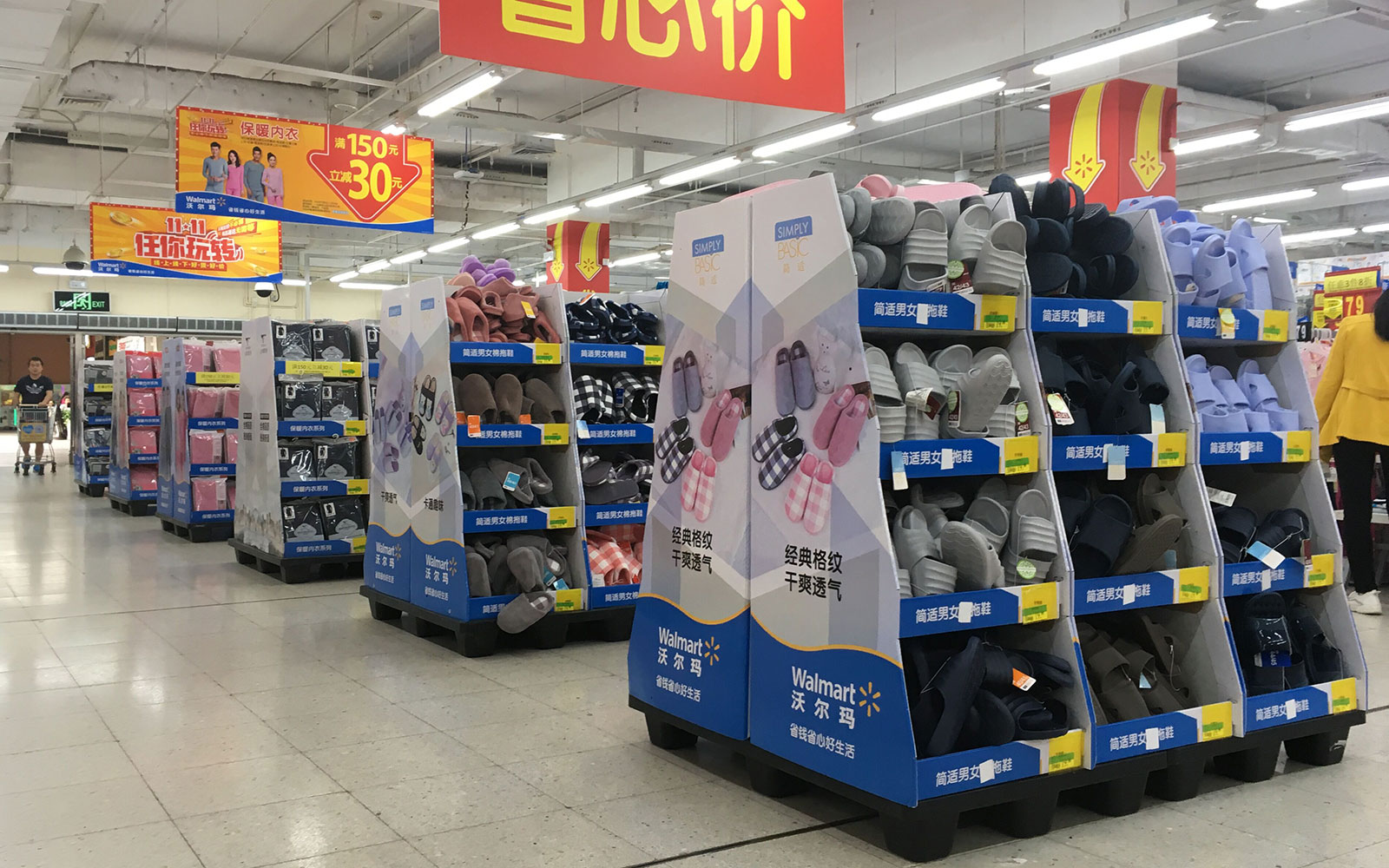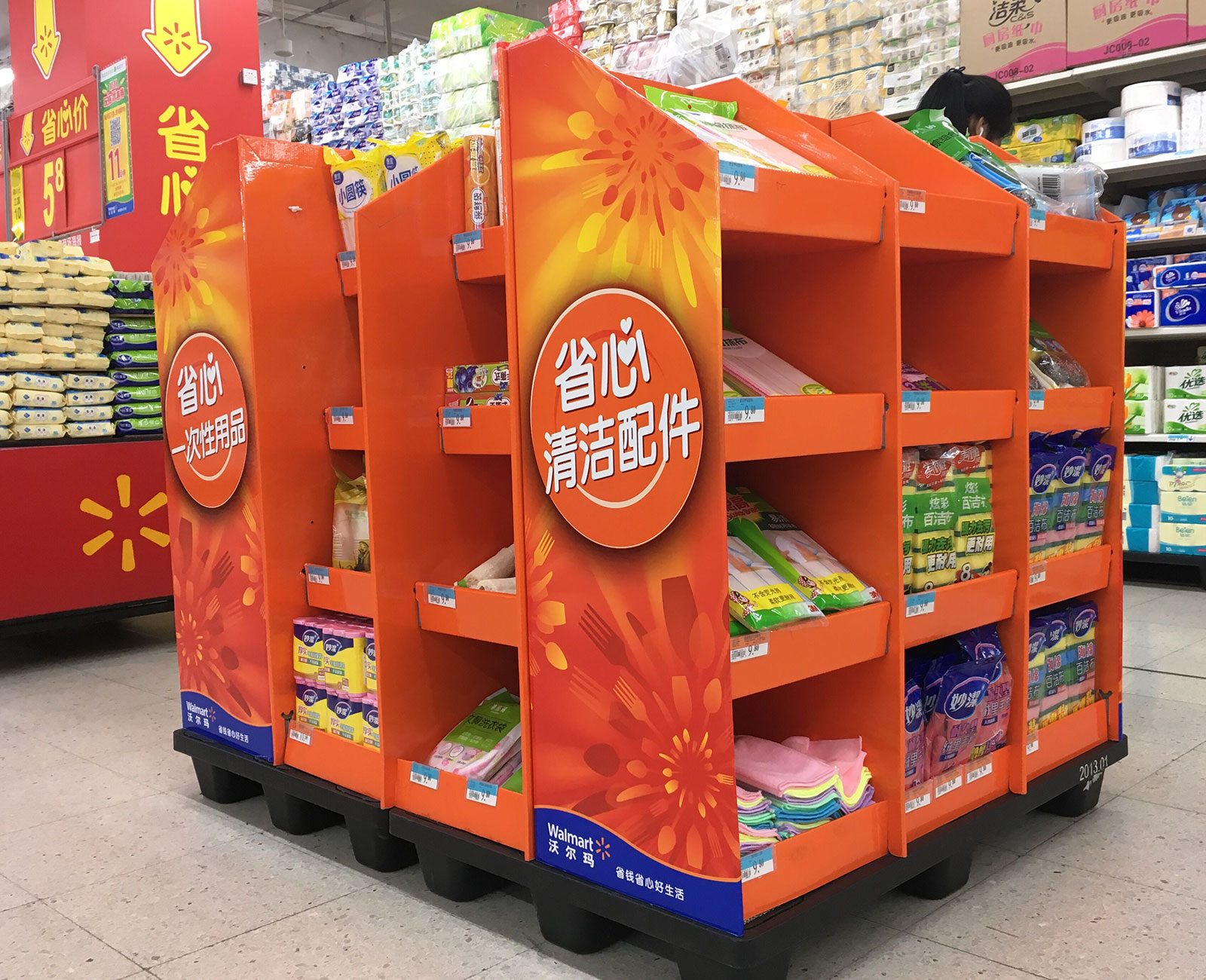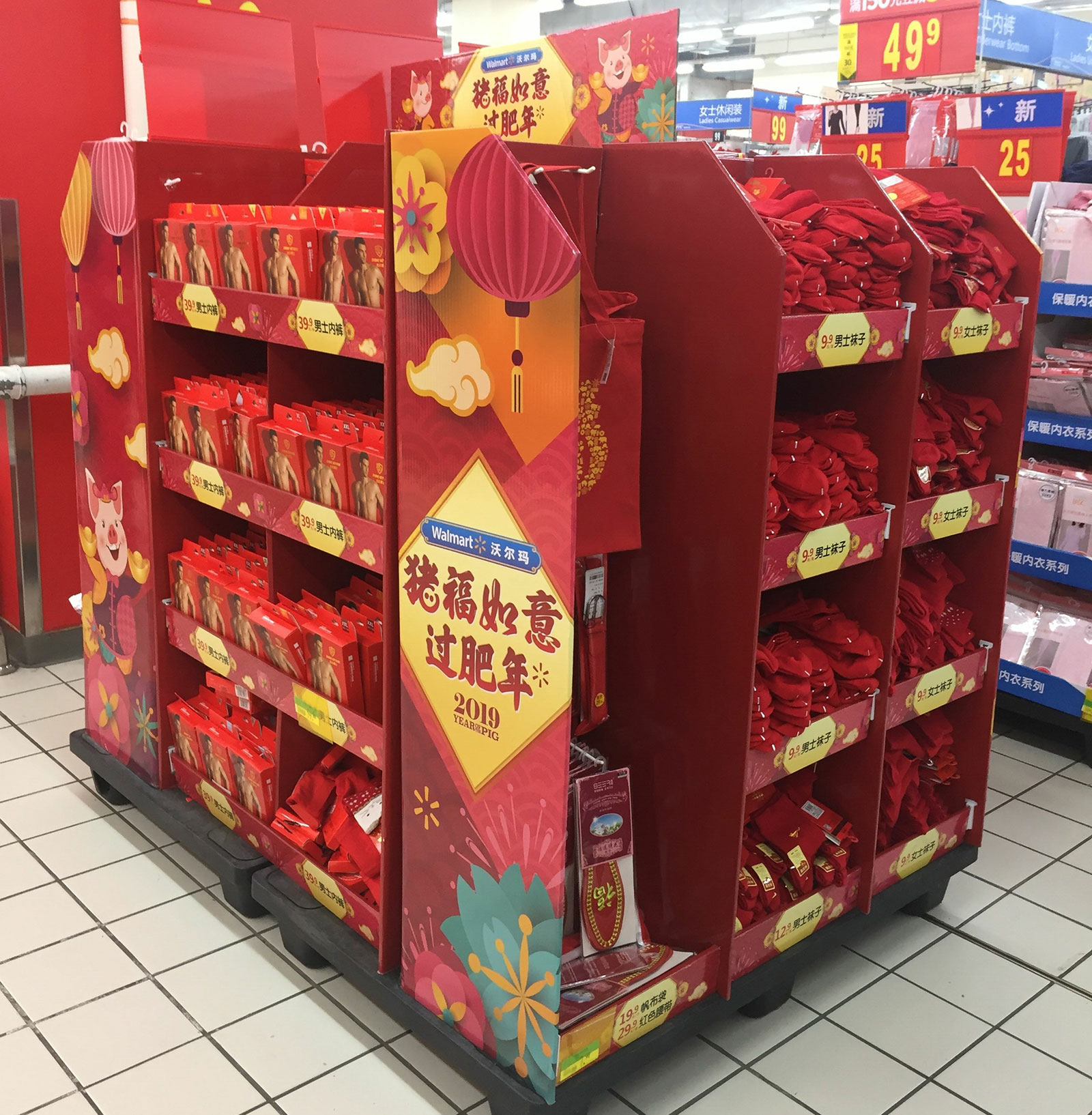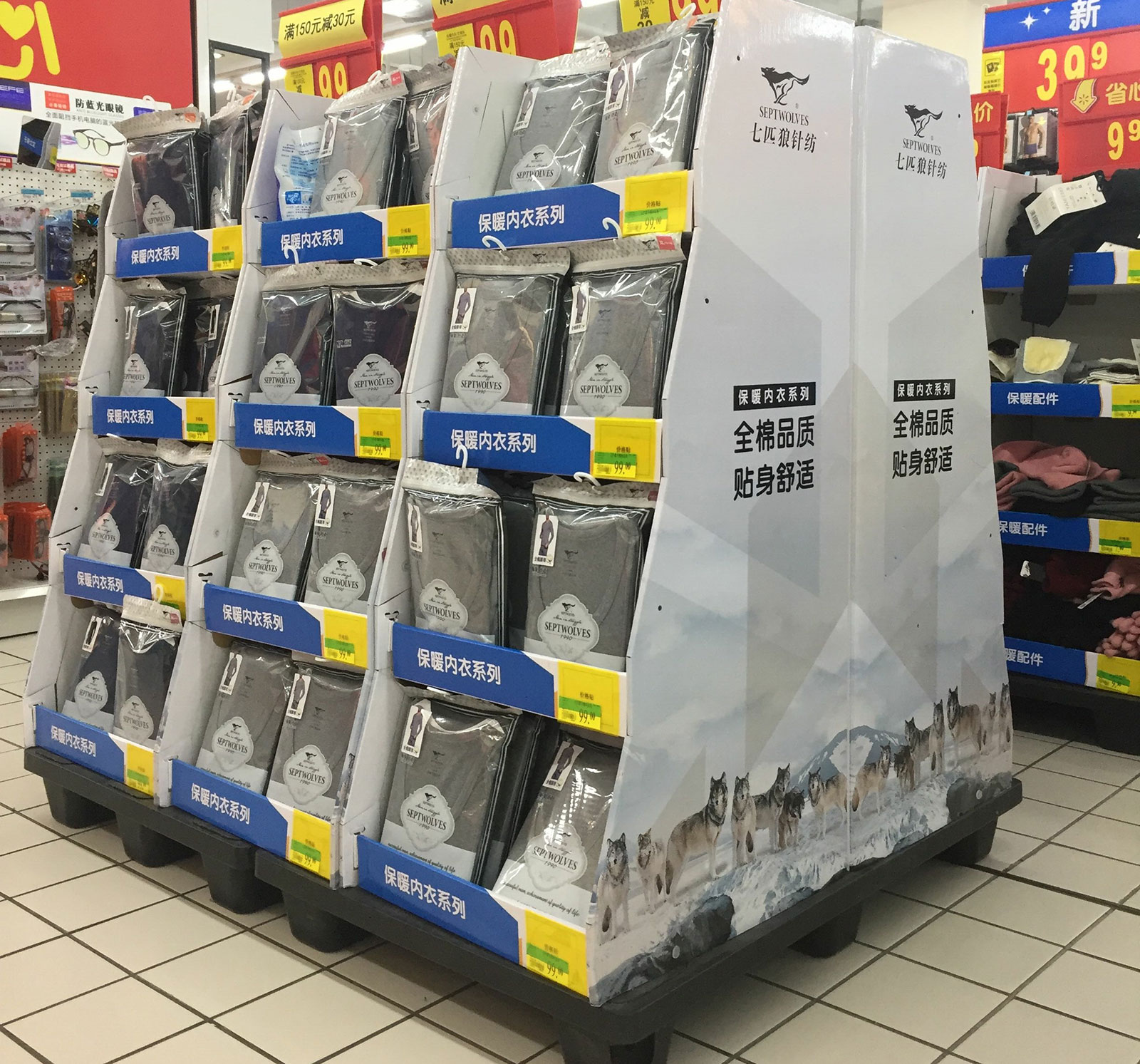
As the core demographic accounting for 40% of the global consumer market (Statista 2025 data), Generation Z is reshaping brand marketing rules with a consumption logic rooted in sustainability as the foundation, creativity as the soul, and authenticity as the criterion. They reject one-size-fits-all plastic-based promotions and resent overly commercialized brand postures. Against this backdrop, custom cardboard displays—with their eco-friendly properties, creative flexibility, and emotional resonance—have emerged as the "golden bridge" for brands to connect with Gen Z.
- I.The 4 Core Reasons Gen Z Prefers Cardboard Displays
- 1.Sustainability: No Eco-Friendliness, No Purchase
- 2.Authenticity: Rejecting Gimmicks, Only Valuing "Sincerity"
- 3.Social Appeal: Worthy of Attention Only If It’s "Photo-Worthy"
- 4.Flexibility: Low Cost, High Adaptability
- II.How Brands Can Impress Gen Z with Custom Cardboard Displays
- 1.Retail Terminals: Turning Shelves into "Interactive Touchpoints"
- 2.Pop-Up Stores & Experiential Marketing: Creating "Immersive Check-In Spots"
- 3.Exhibitions & Events: Making Booths the "Focal Point"
- 4.E-Commerce & Parcels: Upgrading the "Unboxing Experience"
- III.Choose Kingwin: Turn Cardboard Displays into Gen Z Marketing Tools
- 1.End-to-End Sustainability: "Zero-Carbon Efforts" from Material to Delivery
- 2.In-Depth Customization: Rejecting "One-Size-Fits-All"
- 3.Efficient Response: Adapting to Gen Z’s "Fast-Paced Marketing"
- 4.Cost-Effectiveness: Maximizing Budget Value
- IV.Conclusion: Winning Gen Z Starts with Cardboard Displays
Kingwin specializes in the young consumer market, offering custom cardboard display solutions driven by both "sustainability and creativity." We help brands accurately meet Gen Z’s needs—from interactive retail displays to social media-worthy photo installations—turning every display into a brand symbol that young people are willing to share and actively identify with.
I.The 4 Core Reasons Gen Z Prefers Cardboard Displays
1.Sustainability: No Eco-Friendliness, No Purchase
Gen Z is "the generation raised amid the climate crisis." According to GlobalWebIndex 2025, 78% of respondents stated they "prioritize eco-friendly brands." Traditional display materials like plastic and metal—difficult to degrade and high in carbon emissions—have long been blacklisted by this demographic.
Cardboard displays perfectly align with this demand: they are 100% recyclable and biodegradable, with raw materials mostly sourced from FSC-certified recycled wood, ensuring a low-carbon lifecycle from production to disposal. More importantly, Gen Z views a brand’s environmental efforts as a reflection of "value alignment"—a cardboard display conveys not just product information, but also a commitment to "protecting the planet alongside young people."
How Kingwin Helps: Our cardboard displays use over 80% recycled paper materials, with soy-based inks for surface printing. Premium solutions even include embedded "eco-trace QR codes"; scanning them allows users to check material origins and recycling processes, turning sustainability from a "slogan" into a "verifiable fact."
2.Authenticity: Rejecting Gimmicks, Only Valuing "Sincerity"
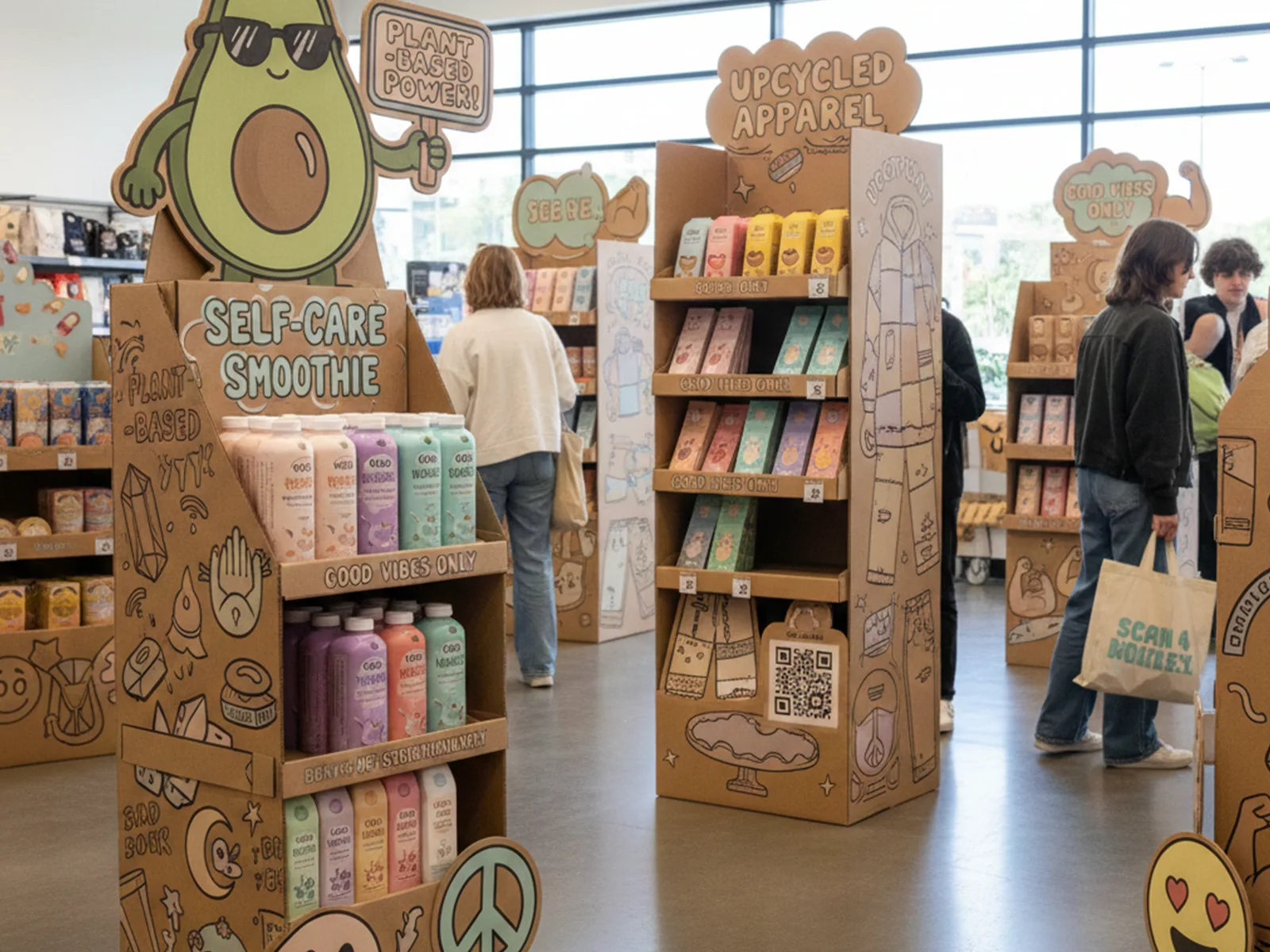
Gen Z is highly sensitive to inauthentic "corporate" marketing. A Stackla survey shows 89% of young consumers believe "brand authenticity is more important than popularity." Plastic displays feel industrial, while metal installations create a sense of distance—both often make Gen Z feel "the brand is pushing sales too hard." In contrast, cardboard’s natural texture and tactile quality exude a "handcrafted" warmth and approachability, fostering an "equal dialogue" between brand and consumer.
For example, a cardboard shelf with hand-drawn patterns makes Gen Z feel "the brand’s warmth" more than a glossy plastic shelf; a DIY-assemblable display box invites active participation in the "brand experience," forging an emotional connection.
How Kingwin Helps: We reject "template-based designs." Every cardboard display is deeply integrated with the brand’s DNA—for a brand focusing on "vintage toys," we use kraft paper with gold foil accents; for a "youth sports" brand, we adopt color-blocked illustrations and cut-out designs. Meanwhile, we preserve cardboard’s natural grain and avoid excessive lamination, making "authenticity" visible and tangible.
3.Social Appeal: Worthy of Attention Only If It’s "Photo-Worthy"
Gen Z is "a generation born for social media." According to eMarketer 2025, 65% of their purchasing decisions are influenced by "social media recommendations." They crave "unique, fun, shareable" experiences—and well-designed cardboard displays serve as perfect "social currency."
A 3D cardboard display of a football star will prompt fans to take photos and share on Moments; a display box foldable into a "mini scene" will spark unboxing reviews on Xiaohongshu; a cardboard wall with interactive slogans (e.g., "Write down your World Cup prediction") will become a viral check-in spot on Douyin. This "organic sharing" is more persuasive than any advertisement.
How Kingwin Helps: Our design team understands social media logic, embedding "check-in DNA" into every display—such as giant letter logos, illuminated cut-outs, and sticky-note interactive panels. We also provide "social media strategies," like pairing displays with exclusive hashtags (e.g., #MyXXBrandCardboardCheckIn), helping brands go viral among young audiences.
4.Flexibility: Low Cost, High Adaptability
Gen Z’s consumption preferences change rapidly—from "dopamine dressing" to "minimalism," from "Guochao (national trend) rise" to "vintage revival." Brands need to respond quickly, but traditional materials (metal, acrylic) are costly and have long production cycles, making them ill-suited for "fast-paced marketing."
Cardboard displays solve this pain point: production time is 50% shorter than plastic, cost is only 1/3 of metal, and designs can be adjusted anytime—for example, launching "team-themed" displays during the World Cup, then quickly switching to "new product promotion" themes post-tournament; releasing "limited-edition" designs for holidays, then recycling them afterward. This "low-cost + high-flexibility" feature is especially ideal for startups and FMCG brands.
How Kingwin Helps: We offer "modular designs"—the same cardboard display can be repurposed by replacing panels or adjusting structures; we also support small-batch production (minimum 100 units), helping brands reduce trial-and-error costs and test market responses quickly.
II.How Brands Can Impress Gen Z with Custom Cardboard Displays
1.Retail Terminals: Turning Shelves into "Interactive Touchpoints"
Checkout Counter Displays: Design "blind box-style" cardboard racks for mini peripherals (e.g., keychains, stickers). Gen Z will actively add purchases to "collect hidden editions";
Themed Shelf Zones: Build "scenario-based displays" with cardboard. For example, a sports brand can create a "stadium stand" design, embedding sneakers and jerseys to make young consumers feel "immersed in the game";
Promotion Signs: Replace traditional plastic signs with foldable cardboard signs printed with Gen Z-friendly "meme culture" slogans (e.g., "Regret for a year if you don’t buy, joy all summer if you do"), enhancing familiarity.
2.Pop-Up Stores & Experiential Marketing: Creating "Immersive Check-In Spots"
Photo Areas: Build giant cardboard backdrops (e.g., brand IP characters, trending patterns) with handheld cardboard props (e.g., letter boards, meme hand signs) to attract Gen Z to take and share photos;
Interactive Installations: Design "graffiti-friendly cardboard walls" or "brand story puzzles," letting young consumers deepen brand memory through participation;
Product Experience Zones: Make "lightweight experience counters" with cardboard. For example, a beauty brand can build a "makeup booth," while an electronics brand can create a "product trial display"—both eco-friendly and flexible.
3.Exhibitions & Events: Making Booths the "Focal Point"
Portable Booths: For small exhibitions, provide "10-minute quick-assemble" cardboard booths with built-in brand logos and product display areas—lighter and more attractive to young visitors than traditional booths;
Event Interactive Zones: Set up "cardboard game areas" (e.g., ring toss, puzzles) at music festivals or campus events. Winners get brand peripherals, using "fun interaction" to close the distance with Gen Z;
Information Boards: Replace electronic screens with flipable cardboard boards to display brand stories and product selling points—energy-saving and "retro," aligning with Gen Z’s yearning for "slow living."
4.E-Commerce & Parcels: Upgrading the "Unboxing Experience"
Custom Courier Boxes: Design cardboard boxes for secondary use (e.g., storage boxes, decorative boxes), printed with brand illustrations and warm slogans (e.g., "Happy unboxing—don’t forget to recycle!"), enhancing Gen Z’s unboxing happiness;
Gift Display Boxes: Create "exquisite cardboard boxes" for e-commerce gifts. For example, a skincare brand can pack samples into "mini vanity"-shaped boxes, making young consumers feel "gifts also have ritual sense";
Subscription Boxes: Make layered cardboard subscription boxes, with each layer corresponding to a theme (e.g., "Monthly Skincare," "Quarterly Outfits"). Include collectible cardboard cards (e.g., brand stories, usage tips) to boost user stickiness.
III.Choose Kingwin: Turn Cardboard Displays into Gen Z Marketing Tools
1.End-to-End Sustainability: "Zero-Carbon Efforts" from Material to Delivery
Materials: Use FSC-certified recycled paper, refusing to cut down virgin forests;
Production: Adopt wastewater-free, low-energy printing processes to reduce carbon emissions;
Packaging: Replace plastic packaging with biodegradable bubble wrap, reducing environmental impact during transportation.
2.In-Depth Customization: Rejecting "One-Size-Fits-All"
Design: Dedicated teams deeply analyze brand positioning and Gen Z needs, providing 3+ design options and supporting 3D prototype previews;
Craftsmanship: Cover 10+ techniques (gold foil stamping, cut-outs, embossing, UV printing) to meet different texture needs;
Functions: Add magnetic closures, foldable structures, or lighting to enhance interactivity.
3.Efficient Response: Adapting to Gen Z’s "Fast-Paced Marketing"
Cycle: Regular orders delivered in 7-10 days, urgent samples ready in 48 hours;
Logistics: Cover 200+ cities nationwide, supporting "on-time delivery aligned with event schedules";
After-Sales: Provide assembly tutorial videos, with 24-hour response to quality issues.
4.Cost-Effectiveness: Maximizing Budget Value
Pricing: 15% lower than industry average, with tiered bulk discounts (lower unit price for larger orders);
Reusability: Provide "display reuse suggestions" to extend cardboard display lifespan and reduce long-term costs.
IV.Conclusion: Winning Gen Z Starts with Cardboard Displays
Gen Z’s purchasing power is growing rapidly—they are no longer "passive recipients of marketing," but "active brand choosers." To win their favor, brands need to abandon "high-handed" postures and build connections through "sustainable attitudes, sincere communication, and fun experiences"—and custom cardboard displays are the "low-cost, high-efficiency" tool to achieve this.
Kingwin is ready to leverage our professional customization capabilities to create "Gen Z-friendly cardboard displays" for your brand, turning every display into an "emotional dialogue" between your brand and young audiences. Contact us today to get a free design proposal and sample, and start your Gen Z marketing journey!