
Corrugated cardboard is the backbone of modern product packaging, accounting for roughly 90% of all shipping containers used in global commerce. Its widespread adoption is no accident — the material's design is the product of over a century of industrial refinement, balancing mechanical performance, supply chain efficiency, and environmental responsibility in a way few alternatives can match.
How Corrugated Board Is Constructed
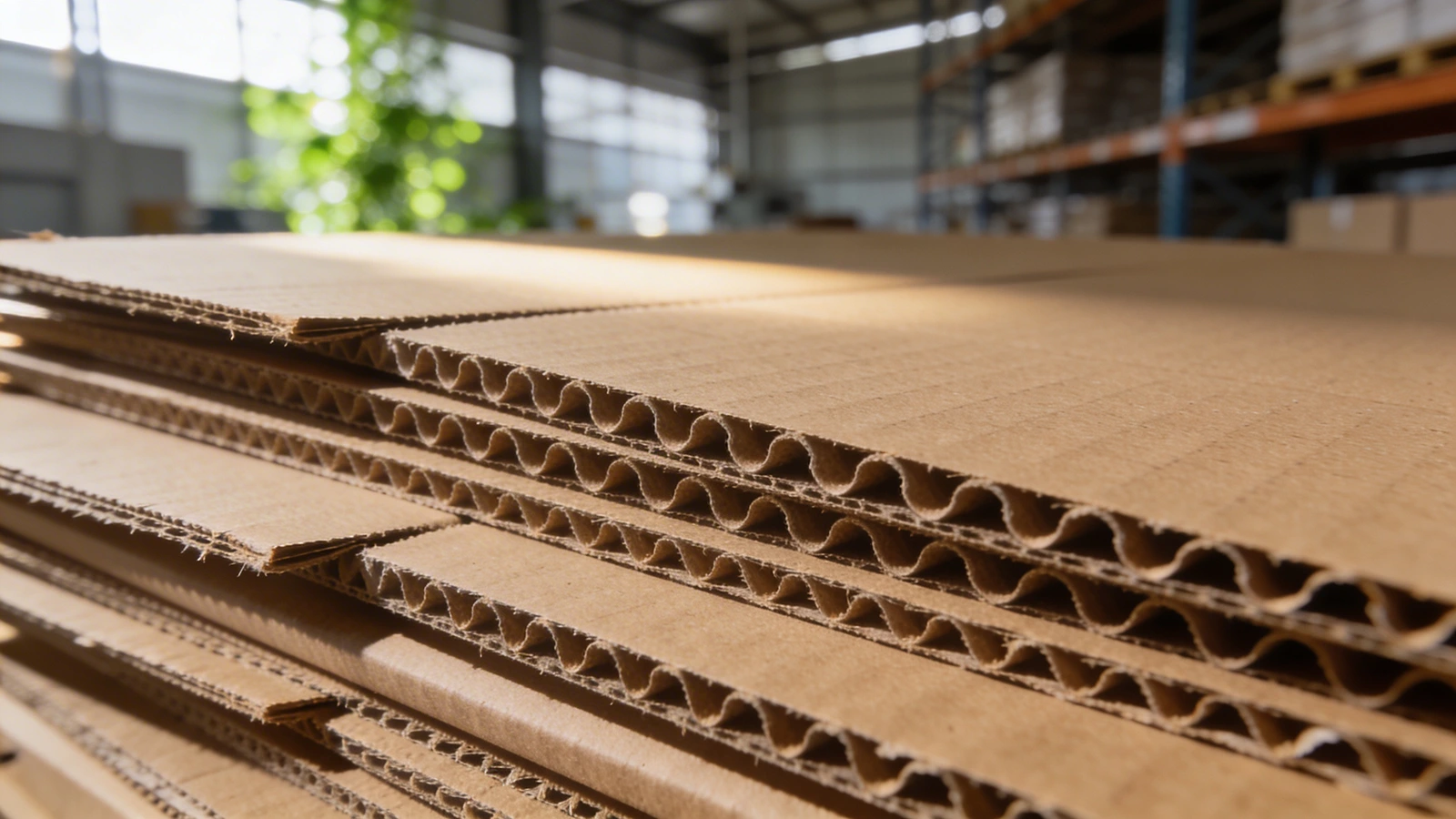
A standard corrugated board consists of two flat linerboard sheets bonded to a fluted medium — the signature wave-shaped inner layer that gives the material its structural character. Industrial specifications classify flute profiles by size: A-flute (5mm) offers the highest cushioning, B-flute (3mm) provides superior stacking strength, C-flute (4mm) balances both, and E-flute (1.5mm) supports compact retail packaging. For heavy-duty industrial applications, double-wall (five-layer) and triple-wall (seven-layer) configurations can withstand edge crush test (ECT) ratings exceeding 44 lbs/in, making them suitable for machinery, electronics, and bulk commodities.
Raw Material Composition and Sourcing
The linerboard and fluting medium are primarily manufactured from recycled kraft fiber, typically sourced from old corrugated containers (OCC) and mixed paper streams. In the U.S. and EU markets, corrugated boards commonly contain 70–100% recycled content, a figure that has steadily improved alongside global paper recovery infrastructure. Virgin kraft pulp — derived from softwood trees such as pine — is blended in when higher burst or tensile strength is required, particularly for export-grade boxes that must endure extended transit cycles.
This recycled-fiber model carries measurable environmental benefits. Producing one ton of recycled linerboard consumes approximately 17 fewer trees and generates significantly less air pollution compared to virgin pulp production. For B2B exporters facing increasingly strict ESG reporting requirements, this makes corrugated packaging a documentable sustainability asset rather than just a commodity choice.
Performance Advantages in Logistics
The corrugated structure functions as a distributed load-bearing system. The fluted medium acts as a series of connected arches, each redirecting compressive forces laterally rather than allowing them to concentrate at a single point. This gives corrugated boxes a strength-to-weight ratio that consistently outperforms rigid plastics and wooden crates for most mid-weight product categories.
From a logistics standpoint, lighter packaging reduces dimensional weight charges in air freight and lowers fuel costs across truck and container shipments. Corrugated boxes are also machine-compatible, integrating seamlessly into automated packing lines, conveyor systems, and robotic palletizing setups — a critical factor for high-volume manufacturers.
Customization and Brand Applications
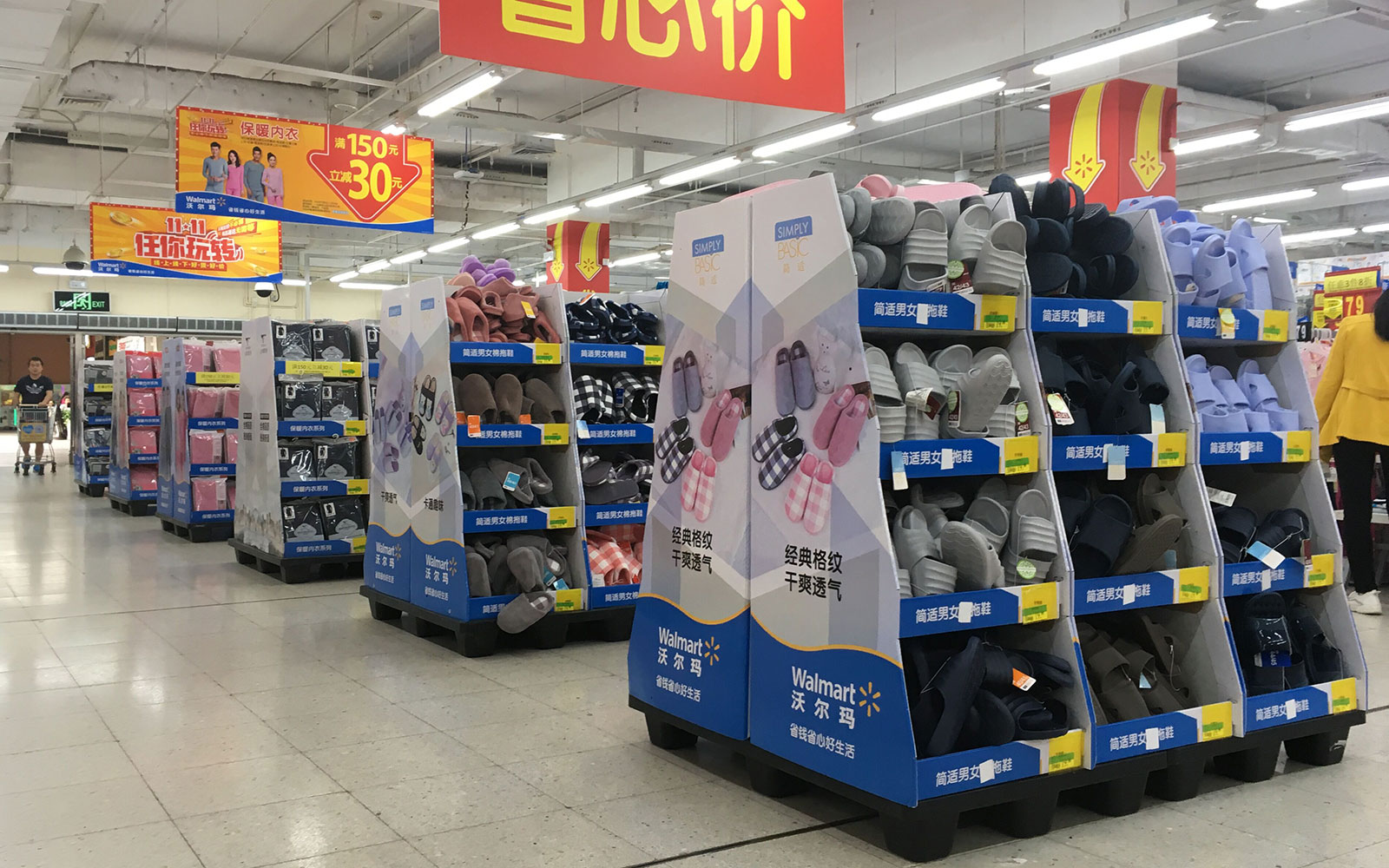
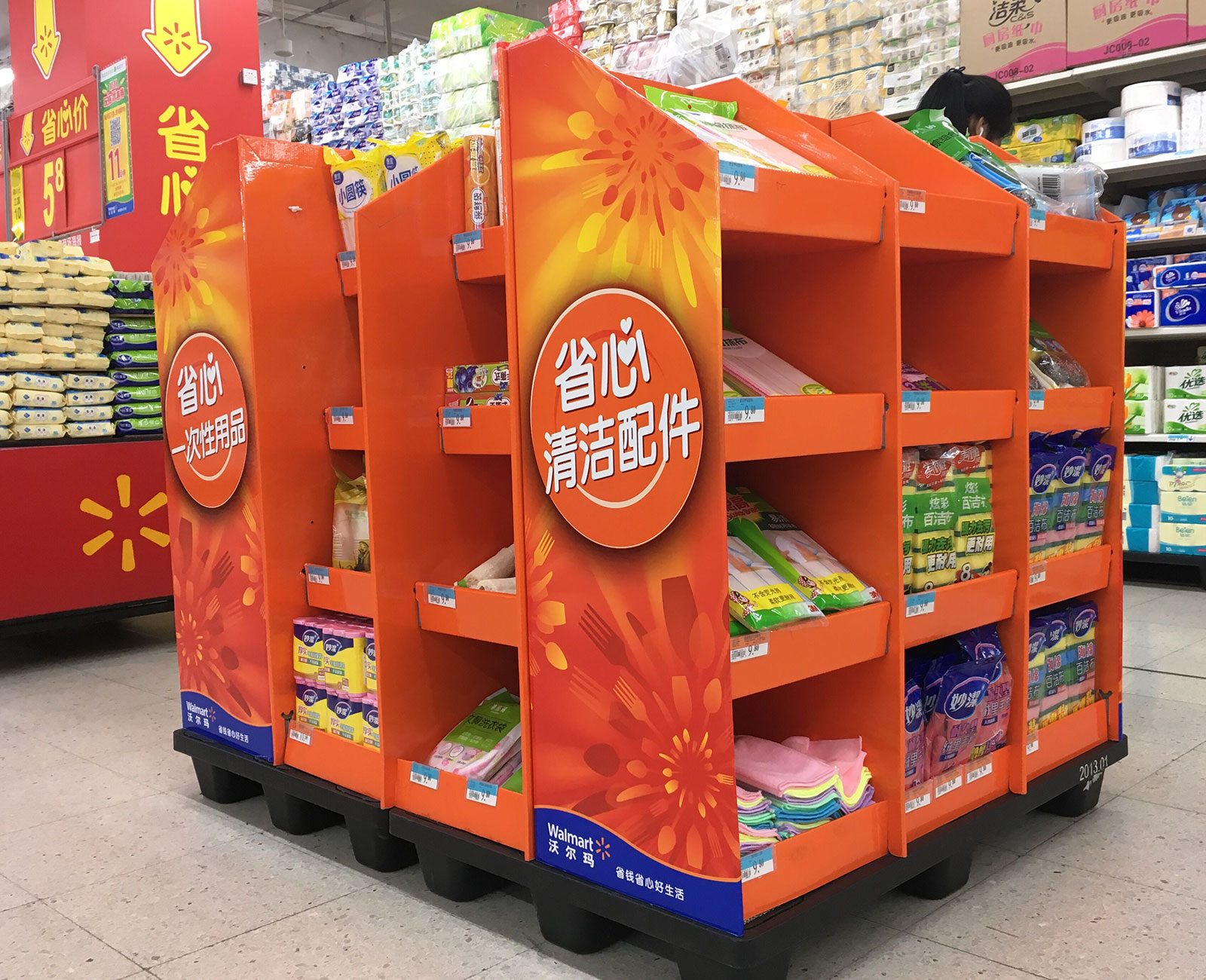
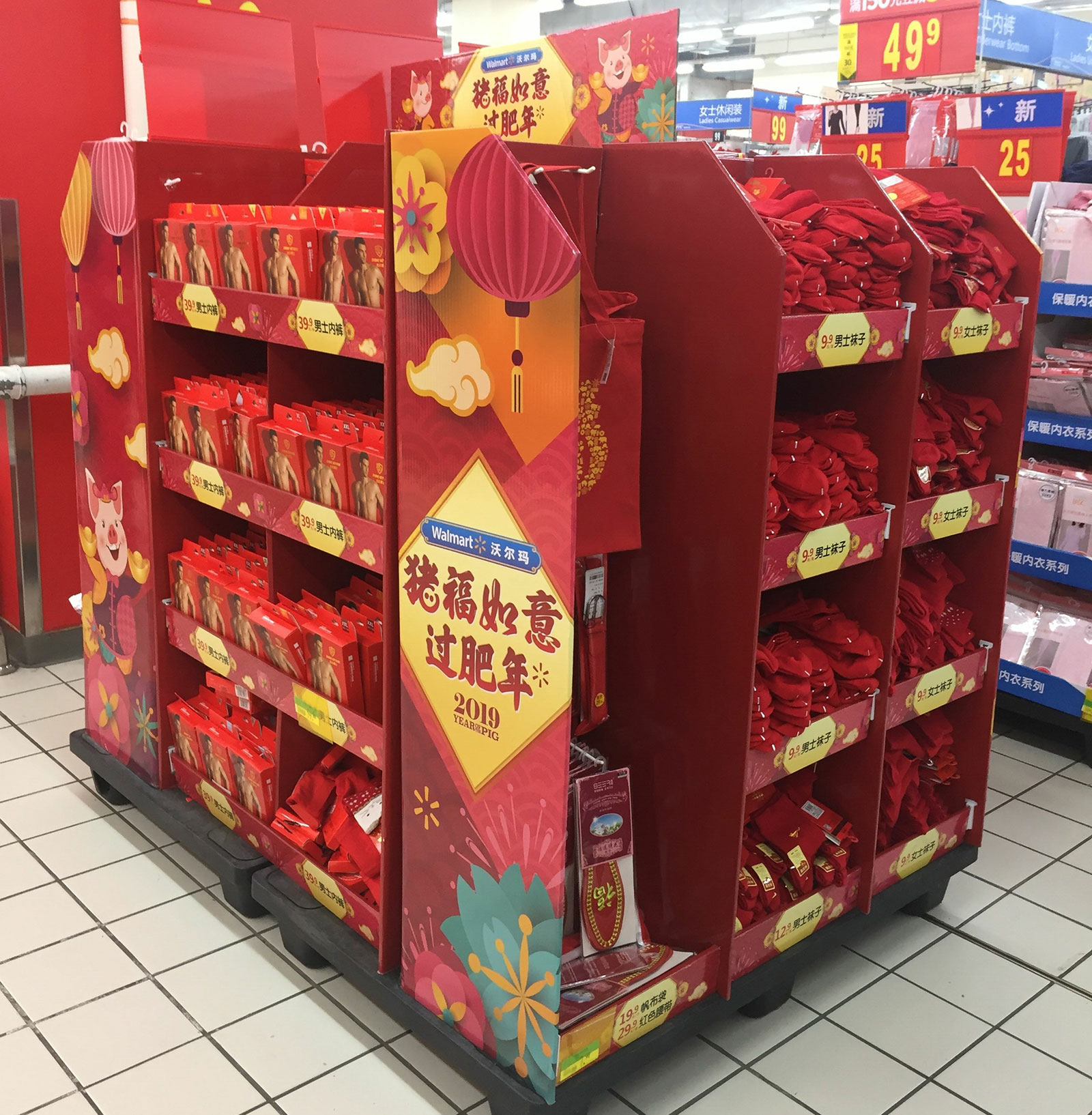
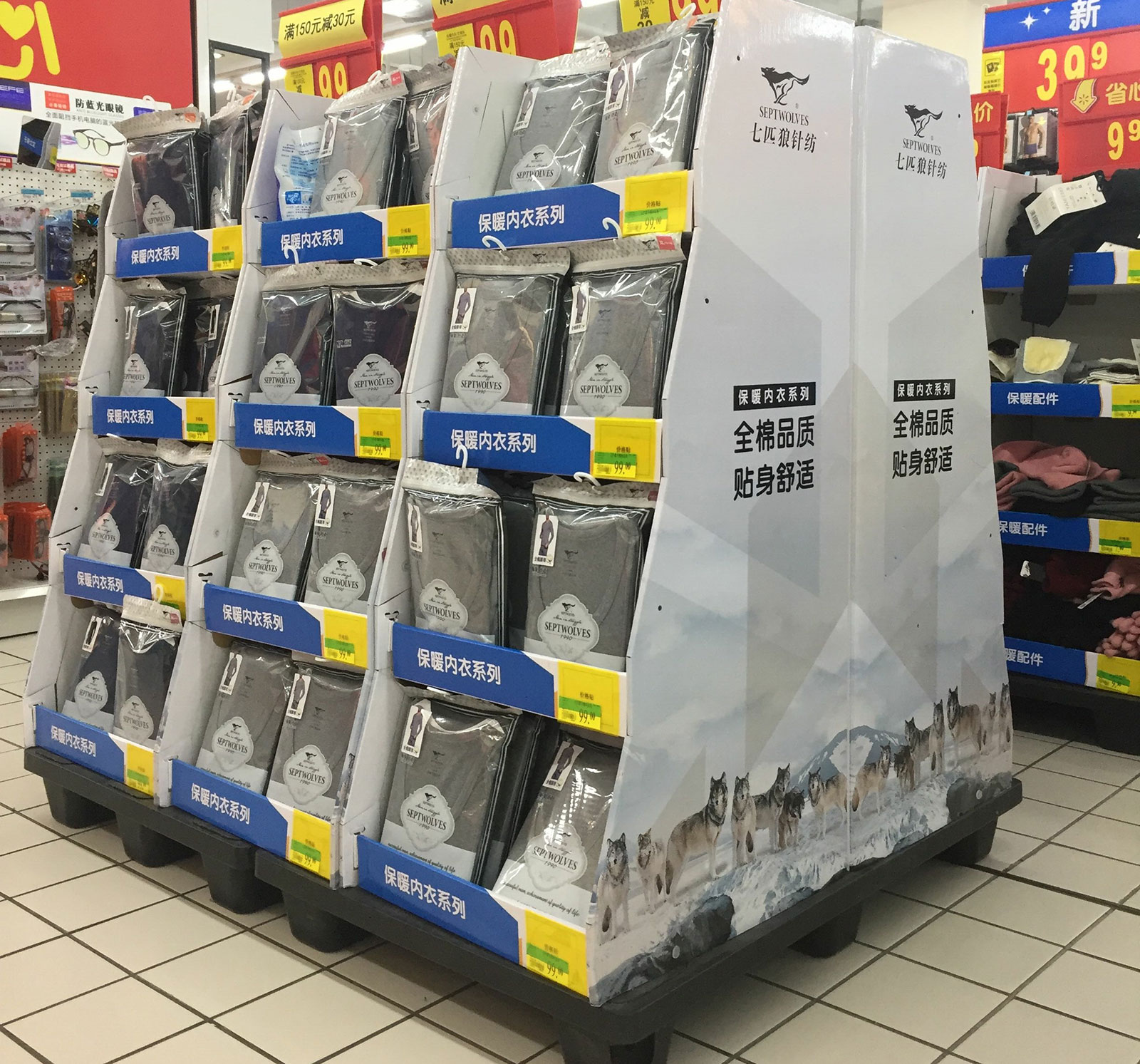
Modern corrugated packaging supports a full range of print methods, including flexographic, digital, and lithographic lamination, enabling sharp four-color graphics suitable for retail shelf display. Box styles — RSC, FOL, telescope, die-cut trays — can be engineered to precise product dimensions using CAD-based structural design software, minimizing material waste and maximizing pallet density. For brands operating in premium or retail-facing markets, E-flute micro-corrugated boards deliver a smooth print surface comparable to folding carton stock.
Known Limitations and Mitigation Strategies
Corrugated cardboard's primary vulnerability is moisture. Relative humidity above 80% can reduce box compressive strength by up to 50%, a concern for cold-chain shipments, tropical export routes, or outdoor storage environments. Industry solutions include wet-strength chemical treatments, wax impregnation, and polyethylene lamination applied to the linerboard surface.
Load capacity is the second limitation. Standard single-wall boxes are not engineered for stacking heights beyond their rated ECT values, and overloading frequently causes column buckling at box corners. Specifying the correct flute grade and wall configuration — ideally verified through laboratory burst and ECT testing — is essential for preventing in-transit failures.
Frequently Asked Questions
Q1: What is the difference between single-wall, double-wall, and triple-wall corrugated board?
Single-wall board consists of two linerboards bonded to one fluted medium, suitable for products up to approximately 10–15 kg. Double-wall board adds a second fluted layer and a third linerboard for significantly higher burst resistance, while triple-wall configurations — with four linerboards and three fluted layers — can support loads approaching 300 lbs, making them the standard for heavy industrial and bulk export packaging.
Q2: How is corrugated box strength tested and rated?
Two primary test standards are used industry-wide:
-
Edge Crush Test (ECT): Measures the box's resistance to top-to-bottom compression — the most relevant test for stacked warehouse storage
-
Mullen Burst Test: Measures how much pressure the board surface can withstand before rupturing, indicating ruggedness against rough handling
-
Flat Crush Test (FCT): Evaluates the fluted medium's resistance to perpendicular compression
Drop testing is also commonly required for electronics and fragile goods, with face, edge, and corner drop sequences simulating real-world transit stresses.
Q3: Are corrugated boxes truly recyclable and eco-friendly?
Yes. Corrugated cardboard is one of the most recycled materials in the world, with recovery rates exceeding 90% in many developed markets. The boxes are made primarily from recycled fiber and can be fully recycled again after use, re-entering the paper pulp supply chain. Wood fiber is also a renewable resource — under managed forestry programs, harvested timber is systematically replanted, making the material carbon-cycle neutral over time.
Q4: How do I choose the right corrugated box specification for my product?
Selection should account for four key variables:
-
Product weight and fragility — heavier or breakable items require higher ECT ratings or double-wall construction
-
Shipping method — air freight demands lighter boards; sea freight over long routes requires moisture-resistant treatment
-
Storage environment — humid or cold-chain warehouses require wax coating or poly-laminated linerboard
-
Box dimensions — always clarify whether quoted dimensions refer to inner, outer, or manufacturing dimensions, as board thickness (especially for CB-flute at ~8mm) can cause products to not fit if this is overlooked
Q5: Can corrugated boxes be waterproofed or made oil-resistant?
Standard corrugated board absorbs moisture readily, but several treatments effectively extend its resistance:
-
Wax impregnation — fully waterproofs the board but significantly reduces recyclability
-
PE (polyethylene) lamination — applied to linerboard surface, suitable for cold and damp environments
-
Wet-strength chemical additives — integrated during paper manufacturing to maintain structural integrity under humidity
-
Coated kraft linerboard — provides oil and grease resistance for food-grade packaging applications
For most export and industrial applications, coated linerboard with proper inner packaging is the preferred balance between protection and sustainability.