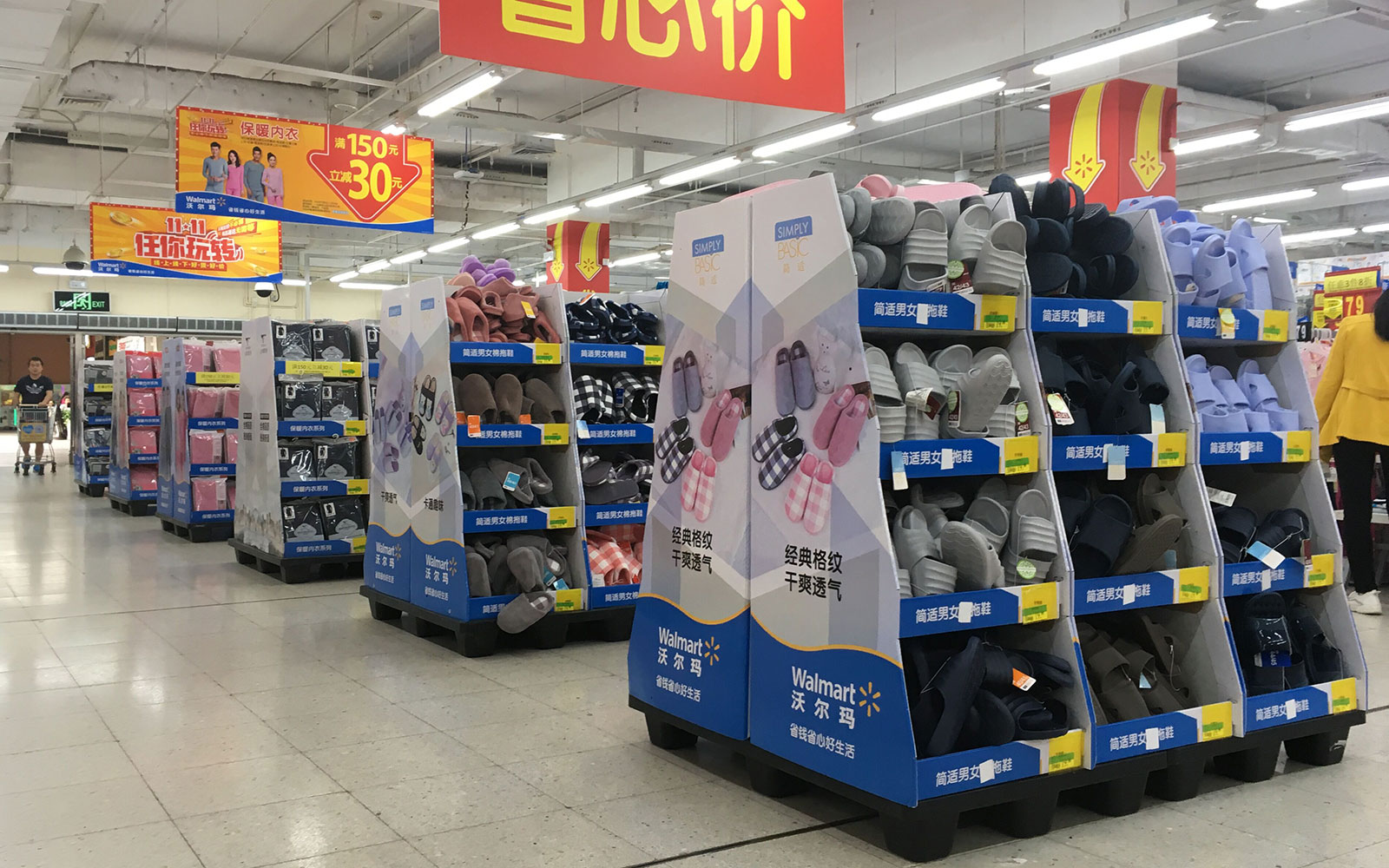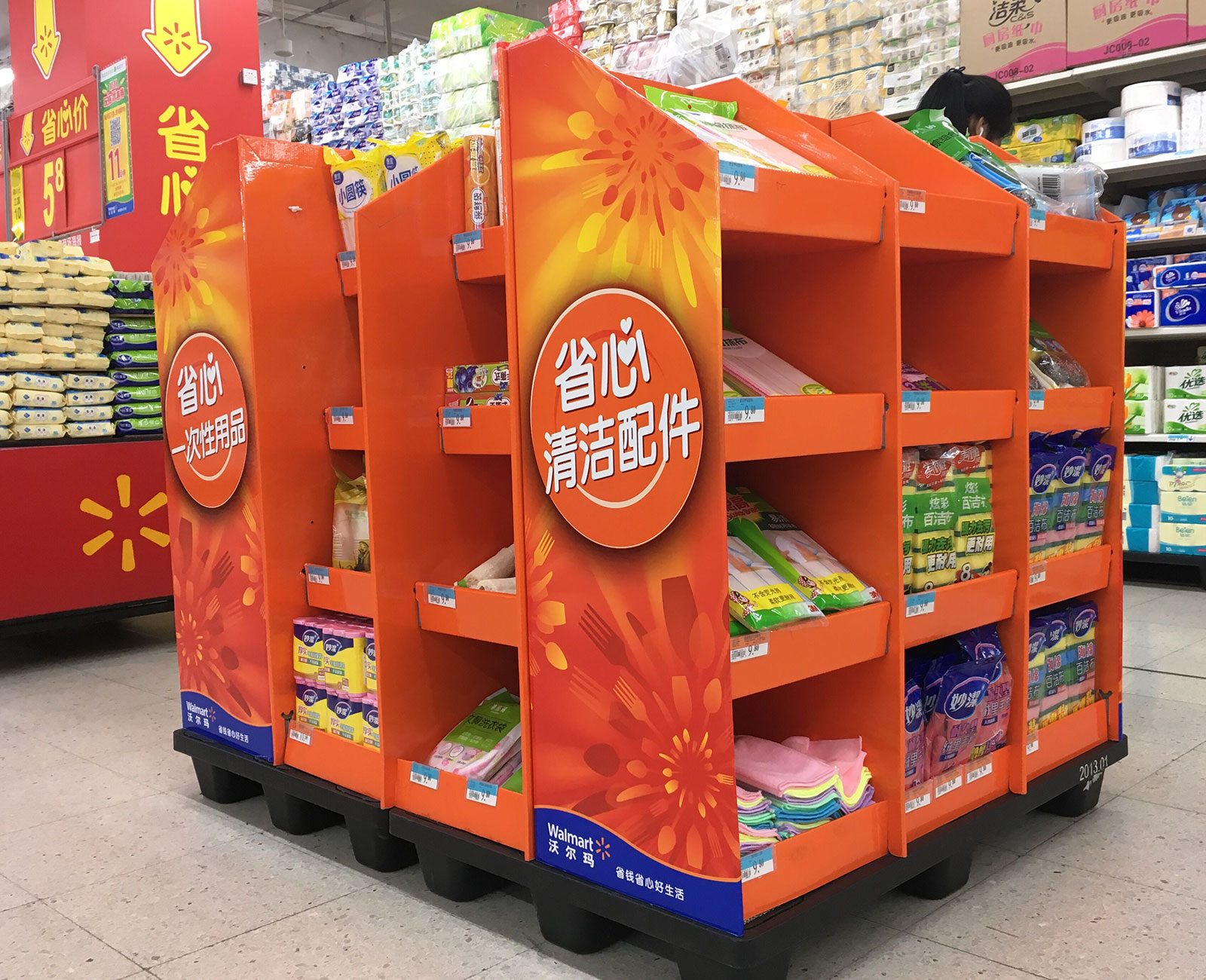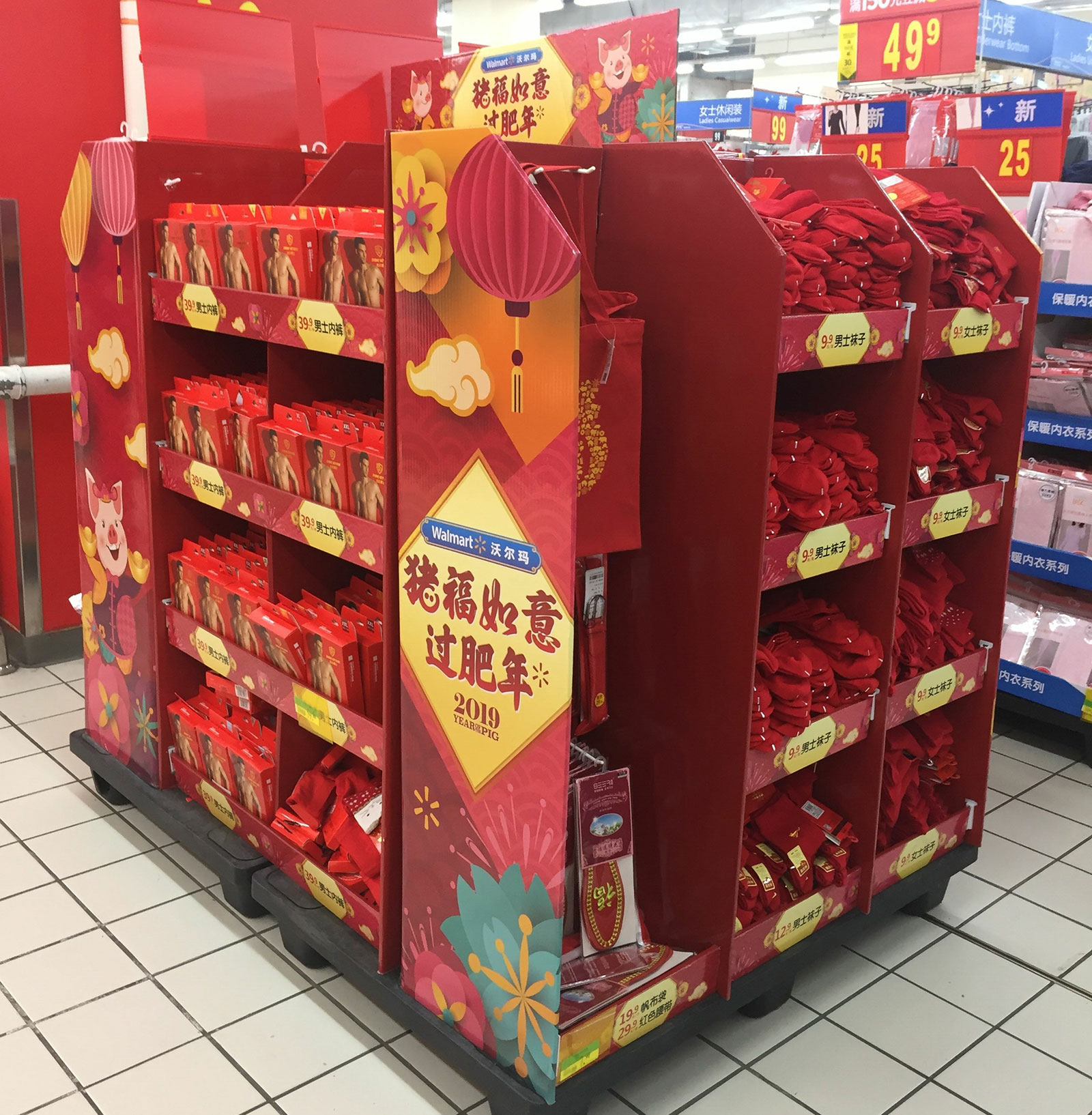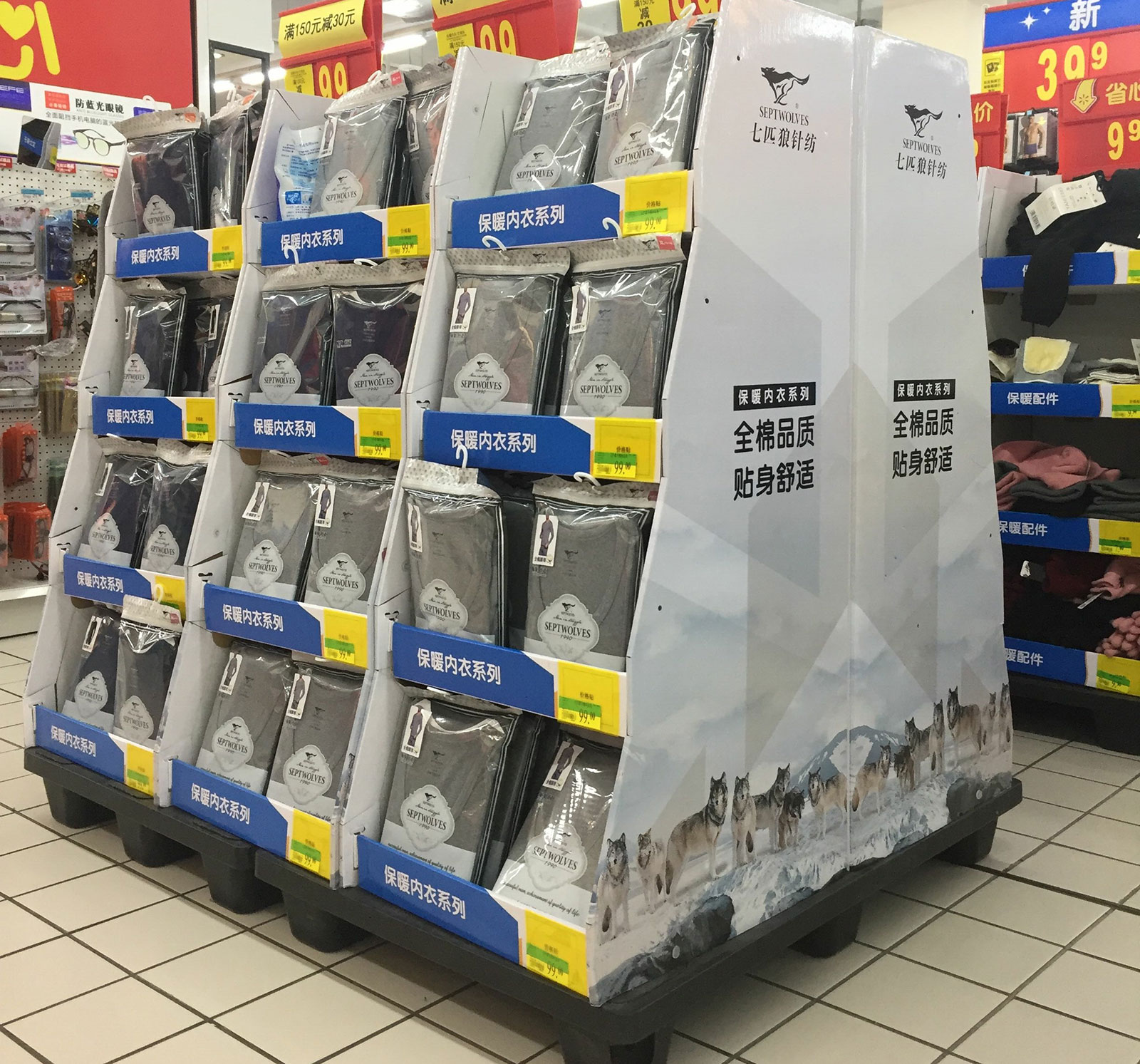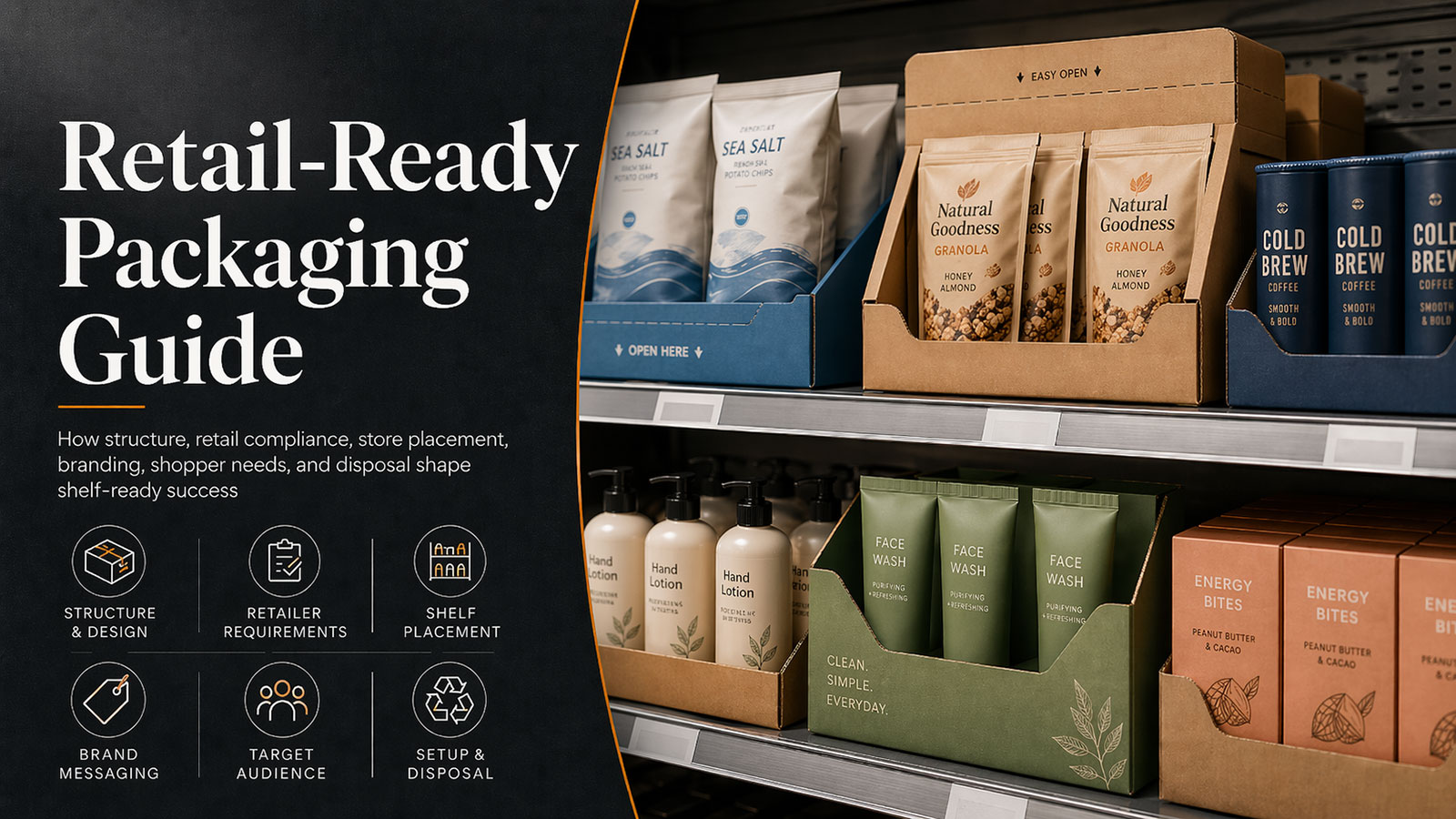

The food and beverage industry stands as a cornerstone of the global consumer market, boasting consistent growth even amid shifting economic landscapes. Driven by evolving consumer tastes, the rise of healthy eating trends, and the expansion of retail channels, the industry shows no signs of slowing down. However, this growth also brings fierce competition—with countless brands vying for consumers' attention on crowded store shelves. In such a competitive environment, Kingwin recognizes that effective product display is no longer an afterthought but a critical factor in capturing consumer interest and driving sales. This is where Kingwin's cardboard displays shine, offering tailored solutions that address the unique needs of food and beverage brands.
- The Unique Advantages of Kingwin Cardboard Displays
- 1.Exceptional Cost-Effectiveness for Large-Scale Use
- 2.High Customization to Match Brand Identity & Product Needs
- 3.Eco-Friendly Attributes Aligned with Consumer & Industry Trends
- 4.Eye-Catching Display Effect to Boost In-Store Visibility
- Real-World Applications: Kingwin Cardboard Displays in Action
- Industry Trends & Future Outlook for Kingwin Cardboard Displays
- 1.Integration of Smart Technology
- 2.Innovation in Sustainable Materials
- 3.Multifunctional & Modular Designs
- How to Choose the Right Kingwin Cardboard Display for Your Food & Beverage Brand
- 1.Define Your Goals & Target Audience
- 2.Consider Retail Space & Product Requirements
- 3.Prioritize Food-Safe & Sustainable Features
- 4.Test & Refine Before Full Rollout
- Elevate Your Retail Performance with Kingwin Cardboard Displays
The Unique Advantages of Kingwin Cardboard Displays
For food and beverage brands, choosing the right display solution can make or break their retail performance. Kingwin's cardboard displays stand out from traditional options (such as plastic or metal racks) by combining practicality, cost-effectiveness, and consumer-centric design—all while aligning with modern industry trends.
1.Exceptional Cost-Effectiveness for Large-Scale Use
Food and beverage products often require high-volume displays, especially during promotional campaigns, seasonal launches (e.g., holiday gift sets or summer beverage promotions), or in large retail chains. Kingwin's cardboard displays excel in this scenario for two key reasons:
First, cardboard as a raw material is significantly more affordable than plastic, metal, or acrylic alternatives, reducing upfront production costs for brands. Second, Kingwin's cardboard displays are lightweight and foldable, which drastically cuts down on shipping and storage expenses. Unlike bulky metal racks that require expensive freight and dedicated warehouse space, Kingwin's displays can be flattened, allowing brands to transport and store hundreds of units at a fraction of the cost. This cost efficiency makes Kingwin's solutions ideal for both small-scale promotions and large-scale national rollouts.
2.High Customization to Match Brand Identity & Product Needs
Every food and beverage brand has a unique story, and every product has specific display requirements—whether it's showcasing a premium chocolate box, a family-sized cereal package, or a set of craft beers. Kingwin understands this diversity and offers fully customizable cardboard displays that adapt to these needs:
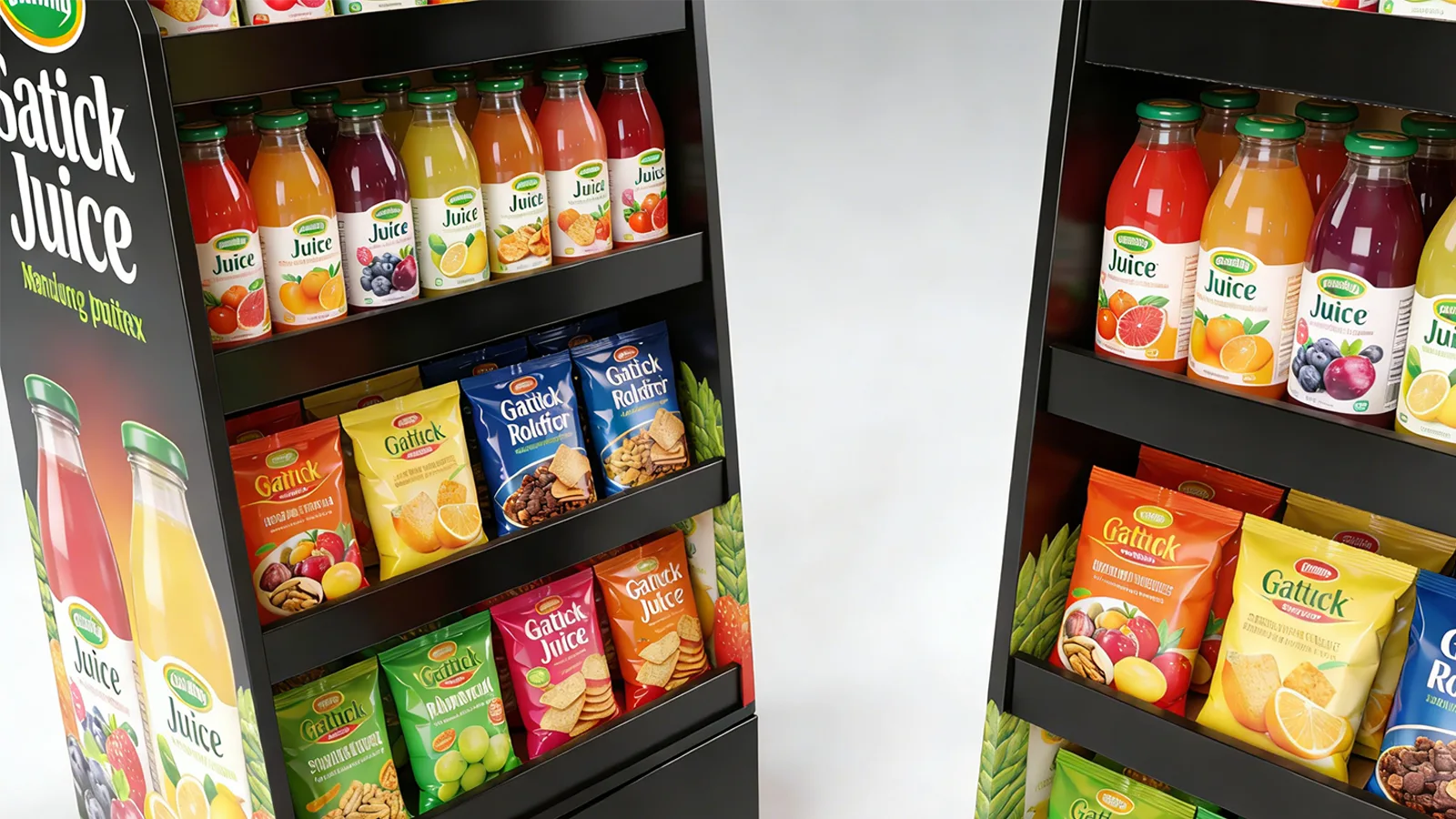
Shape & Structure: Kingwin designs displays in various formats, including countertop bins (for snacks like nuts or candies), floor-standing towers (for bottled beverages or canned soups), and endcap racks (for highlighting promotional items). For example, a juice brand might opt for a tiered display with built-in holders to keep bottles upright, while a cookie brand could choose a open-front bin that invites consumers to grab products easily.
Design & Branding: Kingwin's in-house design team works closely with brands to incorporate logos, color schemes, and key marketing messages into the display. High-quality printing (using food-safe, non-toxic inks) ensures that the display reflects the brand's identity—whether it's a playful design for a kids' snack line or a sleek, minimalist look for a premium organic tea brand.
Functional Add-Ons: To meet food-specific needs, Kingwin can integrate features like moisture-resistant coatings (for refrigerated products like yogurt or fresh juices), transparent windows (to showcase product quality, e.g., fresh bakery items), or tear-off coupon strips (to drive immediate purchases).
3.Eco-Friendly Attributes Aligned with Consumer & Industry Trends
Today's consumers—especially millennial and Gen Z shoppers—are increasingly prioritizing sustainability when making purchasing decisions. A 2024 study by Mintel found that 68% of food and beverage buyers are more likely to choose brands that use eco-friendly packaging and displays. Kingwin's cardboard displays address this demand head-on:
All of Kingwin's cardboard is made from 100% recyclable, FSC-certified materials, ensuring that displays can be easily recycled after use, reducing environmental impact. Additionally, Kingwin avoids harmful chemicals in production, using soy-based inks and water-based coatings that are safe for food contact (a critical requirement for products like fresh produce or packaged snacks). By choosing Kingwin's displays, brands not only meet consumer expectations but also enhance their sustainability credentials—turning display into a tool for building brand trust.
4.Eye-Catching Display Effect to Boost In-Store Visibility
In retail environments, the first step to driving sales is getting consumers to notice the product. Kingwin's cardboard displays are designed to stand out in busy stores:
Bold Visuals: High-contrast colors, creative graphics, and brand-aligned designs make Kingwin's displays pop against neutral store shelves. For example, a soda brand launching a limited-edition flavor could use a bright, festival-themed display that draws attention from across the aisle.
Strategic Placement Support: Kingwin works with brands and retailers to optimize display placement—whether it's a countertop display near the checkout (to encourage impulse buys of gum or mints) or a floor display at the store entrance (to highlight new products). Data shows that well-placed displays can increase product visibility by up to 40%, directly translating to higher sales.
Real-World Applications: Kingwin Cardboard Displays in Action
Kingwin's cardboard displays have already helped numerous food and beverage brands elevate their retail presence. Here are two notable examples:
1.Promotional Display for a Craft Beer Brand
A regional craft beer brand partnered with Kingwin to promote its new seasonal IPA during the summer months. Kingwin designed a floor-standing cardboard display shaped like a beer keg, with cutouts to hold 12-ounce cans. The display featured vibrant, beach-themed graphics (aligning with the brand's “summer vibe” messaging) and a built-in QR code that linked to a digital coupon for a free pint. The result? The brand saw a 35% increase in sales of the seasonal IPA in stores where the display was used, compared to stores without it. Retailers also praised the display's easy assembly and space-saving design.
2.New Product Launch for a Gluten-Free Snack Brand
A small gluten-free snack brand wanted to introduce its line of protein bars to major grocery chains. Kingwin created a countertop cardboard display that was compact enough for checkout lanes but roomy enough to hold 24 protein bars (in four different flavors). The display included clear windows to showcase the product's texture, a “gluten-free” badge in bold lettering, and a small leaflet holder with nutritional information. Kingwin also recommended A/B testing two color schemes (green vs. blue) in select stores to see which resonated more with consumers. The green-themed display performed 20% better, so the brand rolled it out nationwide. Within three months, the protein bars became a top-selling item in the gluten-free snack category at participating retailers.
Industry Trends & Future Outlook for Kingwin Cardboard Displays
As the food and beverage industry evolves, Kingwin remains at the forefront of display innovation, adapting its cardboard solutions to emerging trends:
1.Integration of Smart Technology
To enhance consumer engagement, Kingwin is exploring the addition of smart features to its cardboard displays. For example, NFC (Near Field Communication) tags can be embedded in displays, allowing consumers to tap their phones and access recipe ideas (e.g., for a pasta sauce brand), product origin stories (for a coffee brand), or loyalty program sign-ups. Electronic paper displays (EPDs) are another upcoming feature—these low-power screens can show real-time information, such as “limited stock” alerts or dynamic promotional messages, without the need for batteries or electricity.
2.Innovation in Sustainable Materials
While Kingwin's current cardboard displays are already eco-friendly, the brand is investing in even more sustainable materials. This includes testing cardboard made from alternative fibers (e.g., sugarcane bagasse or bamboo) that require less water and energy to produce, as well as developing compostable coatings for displays used with fresh food products. The goal is to create a “circular display system” where old displays can be composted or recycled into new ones, further reducing waste.
3.Multifunctional & Modular Designs
Consumers and retailers alike value versatility, so Kingwin is designing modular cardboard displays that can be reconfigured for different products or seasons. For example, a display used for holiday cookie tins in December can be adjusted to hold Easter candy in April, or repurposed as a storage bin for consumers after purchase. This not only reduces waste but also adds value for both brands (who get more use out of their displays) and shoppers (who can reuse the display at home).
How to Choose the Right Kingwin Cardboard Display for Your Food & Beverage Brand
With so many options available, Kingwin recommends brands follow these steps to select the perfect display solution:
1.Define Your Goals & Target Audience
Start by clarifying your objectives: Are you launching a new product, running a limited-time promotion, or boosting visibility for a core item? Who is your target consumer? For example, a display for kids' snacks should be colorful and interactive, while a display for premium wines should be elegant and understated. Kingwin's team will use these insights to narrow down design options.
2.Consider Retail Space & Product Requirements
Measure the available retail space (e.g., countertop width, floor space) and note your product's dimensions (e.g., bottle height, package weight). Kingwin will ensure the display fits seamlessly into the store layout and can safely hold your products—whether it's supporting heavy canned goods or keeping fragile baked items secure.
3.Prioritize Food-Safe & Sustainable Features
For food and beverage products, safety is non-negotiable. Kingwin will recommend food-safe inks, moisture-resistant coatings, or airtight compartments (for perishables) as needed. Additionally, discuss your sustainability goals—whether you want to use 100% recycled materials or compostable elements—to align the display with your brand values.
4.Test & Refine Before Full Rollout
Before launching a display nationwide, Kingwin suggests A/B testing in a small set of stores. Test variables like design, placement, or add-on features (e.g., QR codes vs. coupon strips) to see which drives the highest engagement and sales. Use the results to refine the display for maximum impact.
Elevate Your Retail Performance with Kingwin Cardboard Displays
In the food and beverage industry, where consumer attention is scarce and competition is fierce, Kingwin's cardboard displays offer a powerful way to stand out. By combining cost-effectiveness, customization, sustainability, and eye-catching design, Kingwin helps brands turn store shelves into sales-driving opportunities. Whether you're a small craft brand or a large national retailer, Kingwin's tailored solutions can adapt to your needs and help you build stronger connections with consumers.