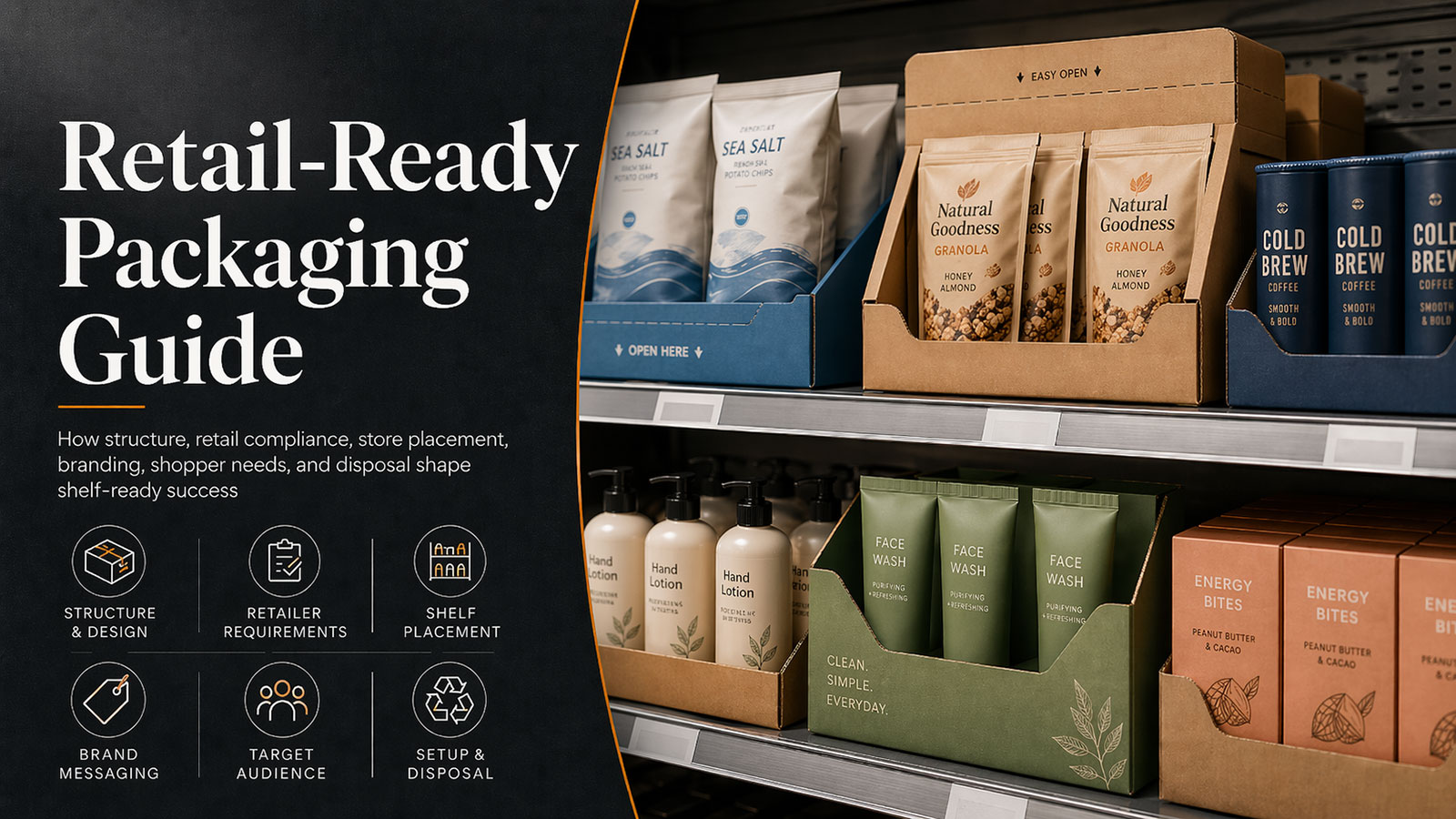

In today's crowded retail marketplace, your product's first impression is often its packaging. While brands invest heavily in product quality and marketing, shelf-ready packaging (SRP)—the bridge between your product and shoppers—often gets overlooked. Yet, 72% of consumers admit packaging design directly influences their purchasing decisions, and retailers prioritize SRP that streamlines stocking and drives visibility.
- What Is Shelf-Ready Packaging, and Why It's Make-or-Break
- 1.Intentional Design Architecture
- 2.Strict Adherence to Retail Standards
- 3.Product-Aligned Form & Strategic Placement
- 4.Authentic & Consistent Brand Storytelling
- 5.Audience-Centric Customization
- 6.Easy Assembly, Transit & Sustainable Disposal
- Transform Your Packaging with Kingwin
Shelf-ready packaging isn't just a shipping container—it's a hardworking marketing asset that saves retailers time, captures consumer attention, and reinforces your brand identity. In a landscape where shoppers crave convenience, sustainability, and authenticity, your SRP must check all boxes to stand out. Below, we break down the 6 non-negotiable elements of high-performing SRP and how Kingwin turns packaging into a competitive advantage for your brand.
What Is Shelf-Ready Packaging, and Why It's Make-or-Break
Shelf-ready packaging—also known as retail-ready packaging (RRP)—is engineered for seamless in-store execution. Designed to go from warehouse to shelf with minimal effort, it eliminates the need for repackaging: retail staff can open, assemble, and stock SRP in minutes, cutting labor costs and reducing stockroom clutter.
Beyond efficiency, SRP is a silent salesperson. In physical stores, where products battle for shelf space, SRP must grab attention at a glance, communicate your brand's value, and align with consumer expectations. With sustainability regulations tightening and shoppers increasingly choosing brands based on their values, SRP has evolved from a logistical tool to a brand storytelling platform.
To succeed, your SRP must be visually striking, retail-compliant, brand-aligned, and user-centric. Miss any of these, and your product risks being lost in the crowd. Focus on these 6 critical elements to craft SRP that drives sales and builds lasting loyalty.
1.Intentional Design Architecture
Modern printing and manufacturing technologies—from digital printing to eco-friendly substrates—offer limitless creative possibilities for SRP. The foundation of effective SRP is a design that balances form and function: it must protect your product during transit, fit seamlessly on retail shelves, and spark consumer curiosity.
Start by analyzing your product's size, weight, and fragility to determine the optimal structure—whether it's a sleek shelf tray, a freestanding merchandising unit, or a compact counter display. Consider how the design will showcase your product: transparent windows, cutouts, or bold color blocking can highlight key features. Kingwin leverages 16+ years of expertise to design SRP that marries visual appeal with practicality, ensuring your product stands out while meeting logistical needs.
2.Strict Adherence to Retail Standards
Retailers have strict guidelines for inbound packaging—and non-compliance can lead to delayed shipments, rejected orders, or additional fees. These standards vary by retailer but often include pallet dimensions, barcode placement, RFID tag compatibility, and easy-opening features.
The golden rule for SRP: no tools required to unpack. Kingwin's SRP features perforated seals, tear strips, and pre-folded structures that let staff open and stock in seconds. We work closely with your retail partners to understand their unique requirements—from Walmart's packaging specs to boutique retailer preferences—ensuring full compliance and a smooth supply chain for both you and your partners.
3.Product-Aligned Form & Strategic Placement
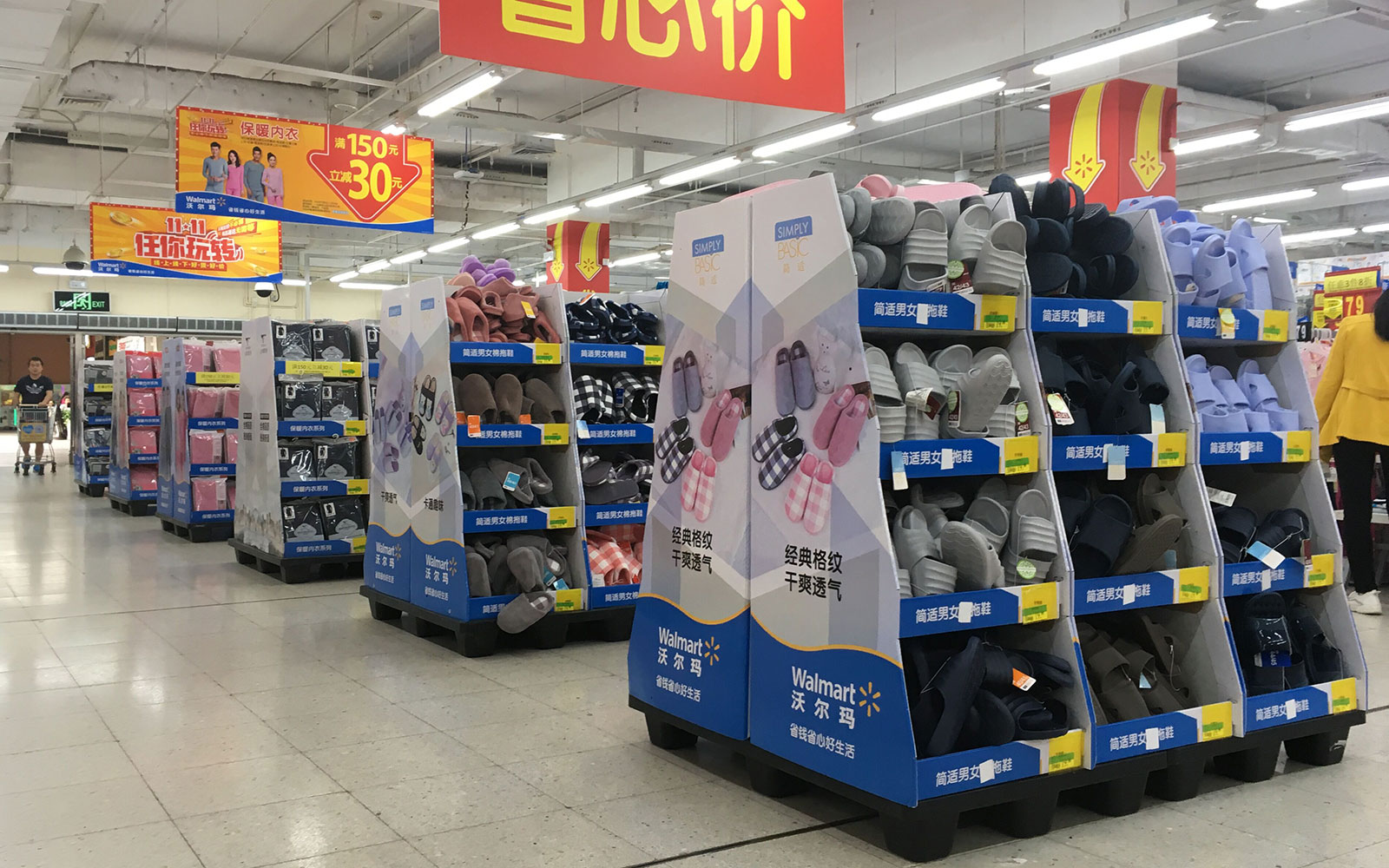
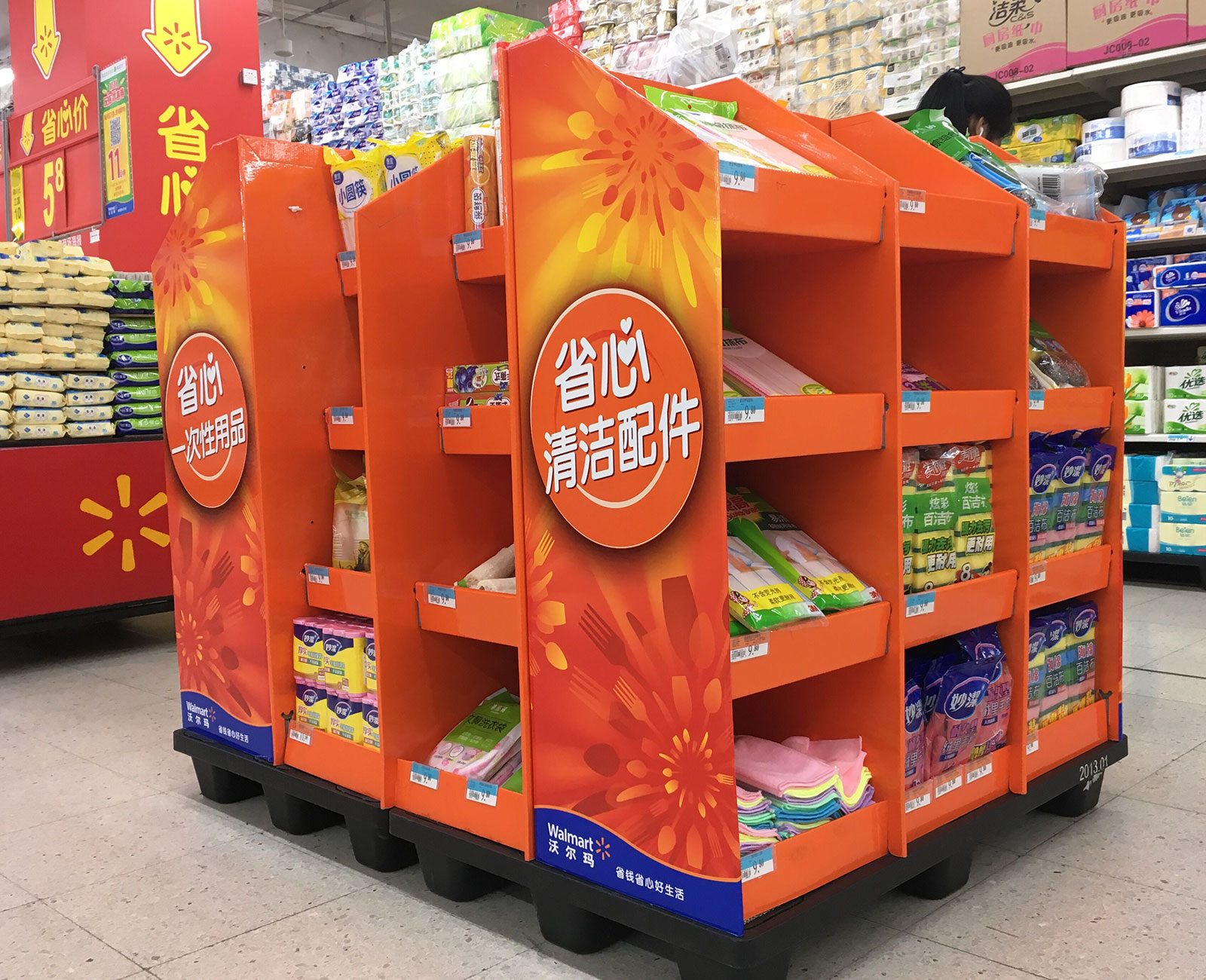
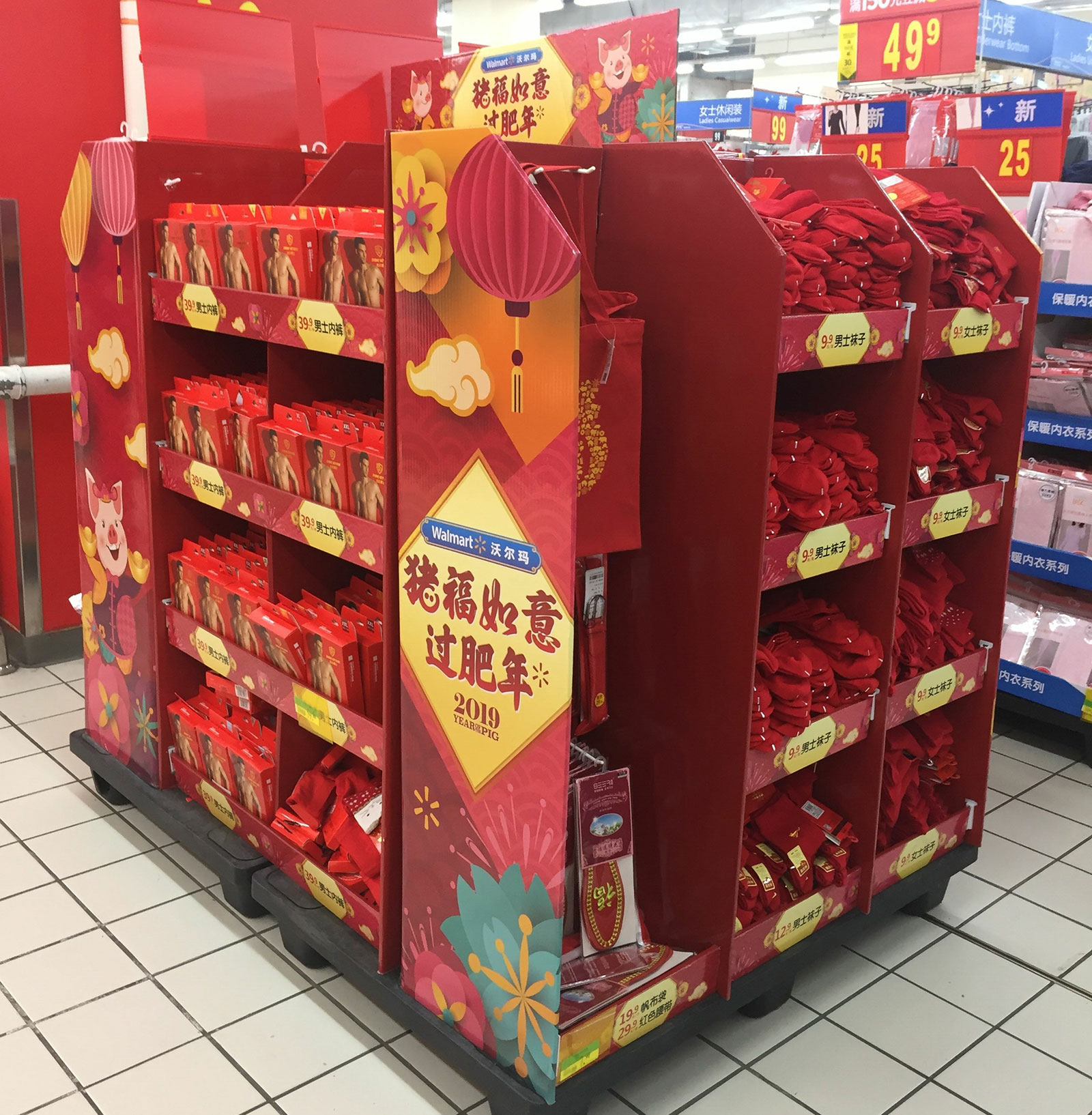
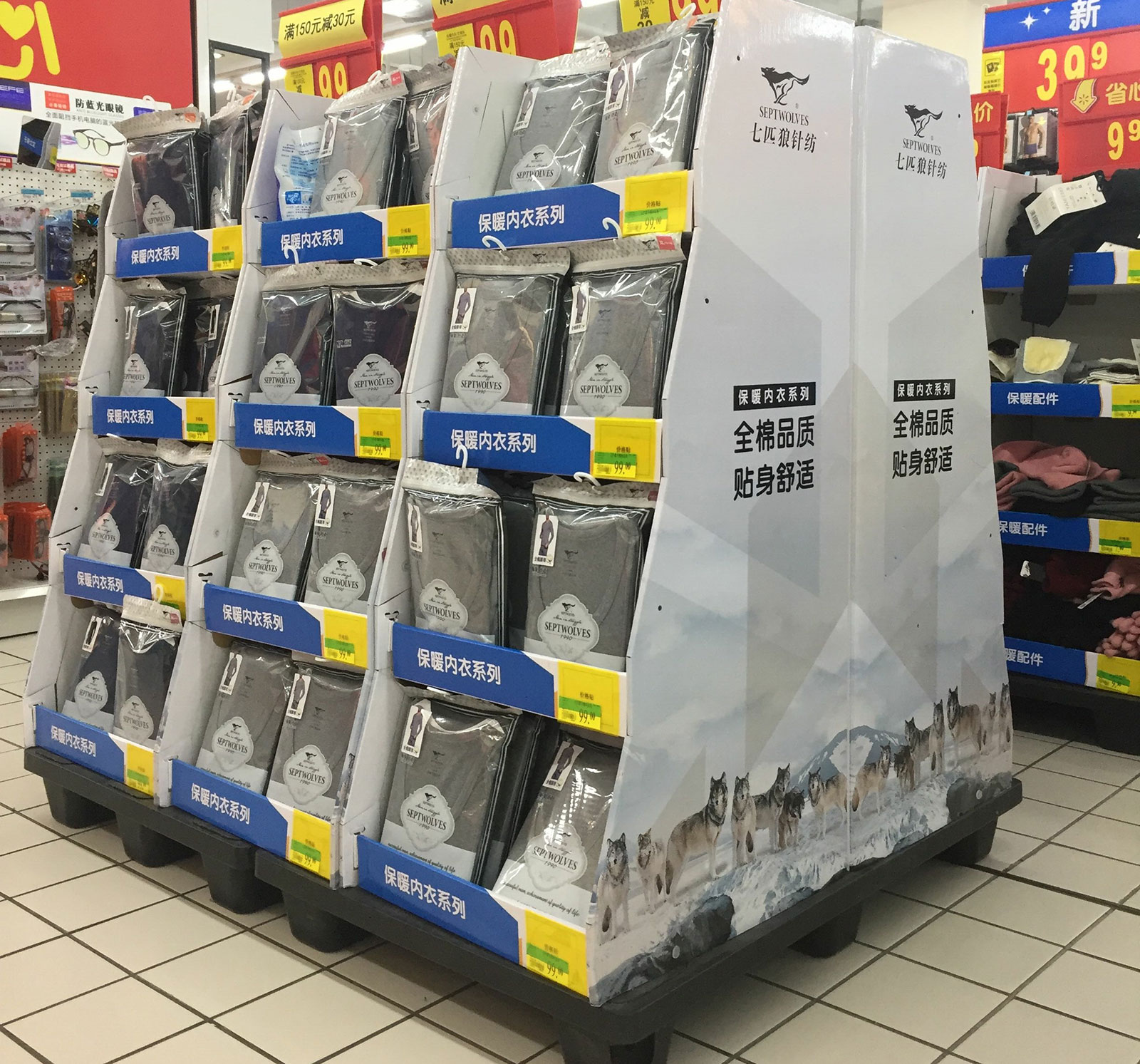
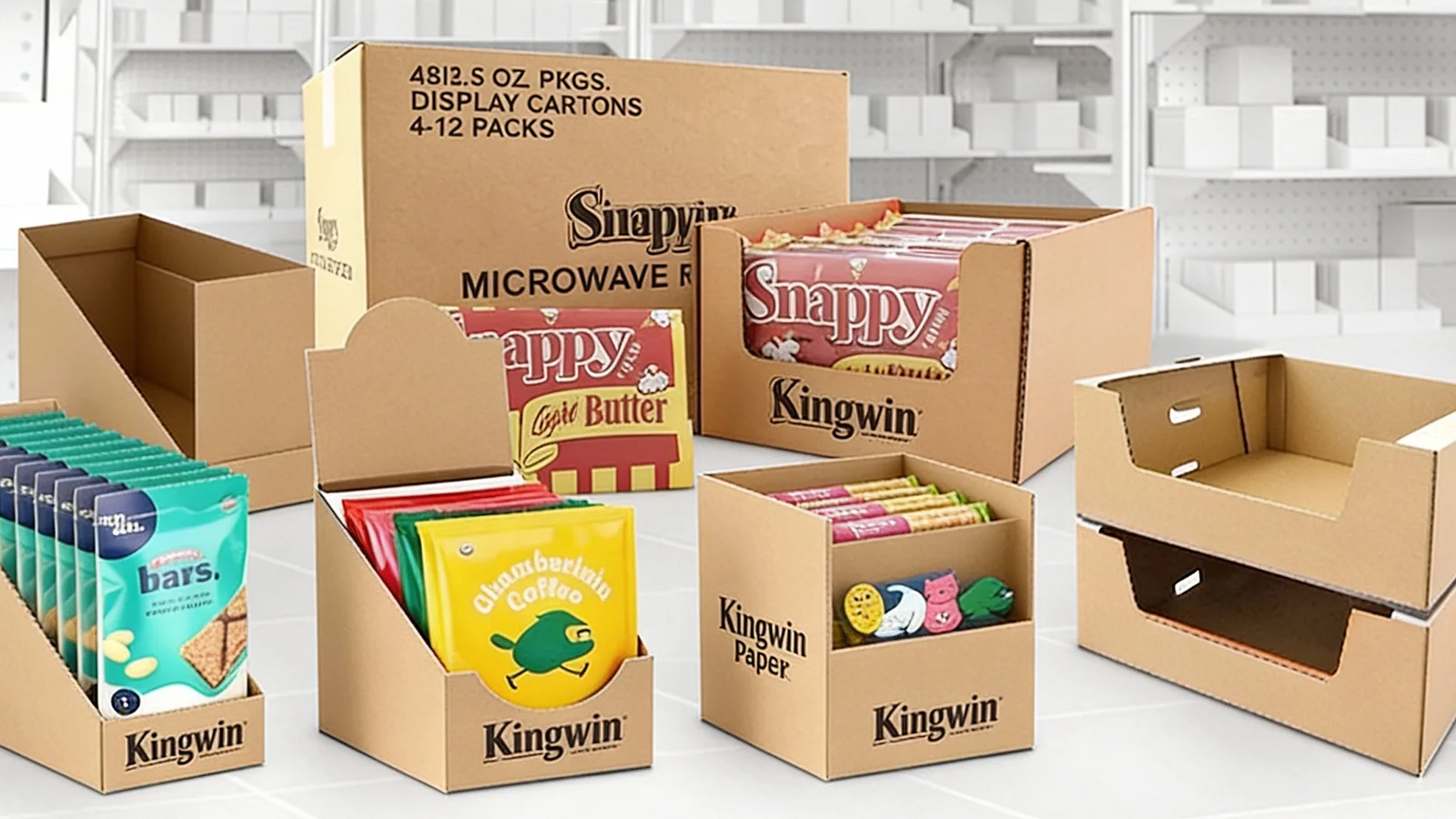
SRP success hinges on matching packaging to your product's category and intended store location. Fast-moving consumer goods (FMCG) thrive in stackable shelf trays that maximize shelf space, while impulse buys perform best in compact counter displays near checkout. High-volume or promotional products benefit from freestanding merchandising units that command attention in high-traffic aisles.
Common SRP types tailored to product needs:
- Shelf trays: Corrugated or paperboard options with removable lids, ideal for standard shelf placement.
- Eco-friendly displays: Recyclable or reusable units that align with sustainability trends.
- Countertop pods: Compact, eye-catching designs for impulse purchases.
Kingwin collaborates with you to analyze your product's purpose and target placement, recommending SRP that optimizes visibility and drives conversions.
4.Authentic & Consistent Brand Storytelling
Today's consumers don't just buy products—they buy brands with values they align with. Two-thirds of global shoppers will support or boycott a brand based on its social and environmental stance, making authentic brand messaging in SRP critical.
Your SRP should be an extension of your brand identity: consistent logos, color palettes, fonts, and taglines ensure instant recognition. Every detail—from the materials used to the tone of text—tells your brand's story. For new shoppers, it's an introduction; for loyal customers, it reinforces trust. Kingwin ensures your brand's voice shines through in every element of SRP, creating a cohesive and memorable connection with shoppers.
5.Audience-Centric Customization
Every product has a specific target audience—and your SRP must speak directly to their needs and preferences. Demographic data (age, lifestyle, location) and consumer insights guide design choices: busy parents may prioritize easy-to-open packaging, while eco-conscious Gen Z shoppers will seek out recycled materials.
Ask key questions: What problems does your product solve for your audience? How does it fit into their daily lives? Kingwin translates these insights into SRP that resonates: minimalist designs for wellness brands, durable on-the-go packaging for active lifestyles, or playful, colorful options for kids' products. The result? SRP that feels “made for me” and drives emotional connection.
6.Easy Assembly, Transit & Sustainable Disposal
SRP must perform throughout its entire lifecycle: from warehouse to shelf to post-purchase. It needs to be compact for cost-effective shipping, durable enough to withstand transit, and simple for retail staff to assemble (no complicated instructions required). Perforated edges, pre-glued seams, and lightweight materials simplify setup, while stackable designs maximize storage space.
Sustainability is no longer a “nice-to-have”—it's a requirement. Shoppers and regulators demand eco-friendly practices, and SRP is a key part of your brand's sustainability story. Kingwin's SRP uses recycled or renewable materials, minimizes waste, and is fully recyclable or compostable. We balance sustainability with functionality, ensuring your packaging meets disposal standards while reducing your carbon footprint.
Transform Your Packaging with Kingwin
Your product deserves SRP that works as hard as you do—saving retailers time, capturing shopper attention, and reinforcing your brand's value. Kingwin combines decades of industry experience with custom design expertise to create shelf-ready packaging that checks all the boxes: retail-compliant, visually striking, brand-aligned, and user-centric.
We handle every step of the process—from initial design and compliance checks to production and shipping—ensuring your SRP meets retail requirements and resonates with consumers. With Kingwin as your partner, your packaging won't just hold your product—it will elevate it, turning casual browsers into loyal buyers.
Ready to turn your shelf-ready packaging into a sales driver? Partner with Kingwin today and craft SRP that stands out, streamlines operations, and builds lasting brand loyalty.